

It’s no secret that carbon monoxide detectors play a critical role in protecting the lives of Canadians everywhere. By alerting occupants to invisible, potentially deadly carbon monoxide, these devices provide Canadians with peace of mind in their homes. Without a detector, dangerous levels can build up silently, leading to serious health effects or even death.
Installing and maintaining carbon monoxide detectors is a simple way to increase safety in your home, and as of January 1st, it is also the law. Let’s take a look at the new laws for carbon monoxide detectors for 2026.
What are the 2026 Changes To Carbon Monoxide Laws?
With 2026 just beginning, many Ontario homeowners and landlords have an item to put at the top of their to-do list: install carbon monoxide alarms.
Recent changes to the Ontario Fire Code now mandate a working CO alarm on every level of any residence that has a gas-burning appliance. This new rule is a crucial step in protecting Ontario residents from the deadly effects of carbon monoxide. However, these new rules aren’t just about safety. It is also about protecting your property, your family or tenants, and ensuring you remain in good standing with your home insurance provider.
Complying with the Ontario Fire Code is crucial for effective risk management. In many cases, home insurance policies require you to comply with local building and fire safety laws. Homeowners or tenants can face tickets of up to $295 or fines of up to $50,000. Corporations or landlords, on the other hand, face severe penalties, including fines of up to $500,000.
What Are Carbon Monoxide Detectors?
To fully understand the new carbon monoxide laws, it is crucial to understand what a carbon monoxide detector is. A carbon monoxide (CO) detector is a vital safety device that monitors the air for carbon monoxide. This is an odourless, poisonous gas that is produced by common fuel-burning appliances.
In most cases, CO isn’t detectable by human senses. As a result, these devices serve as a critical early-warning system. They identify leaks from furnaces, stoves or fireplaces by sounding an alarm before CO in your home reaches a dangerous level. When this alarm sounds, it gives residents enough time to evacuate and prevent illness or death.
How Do They Work?
The technology behind these devices is quite interesting. They rely on sophisticated sensors, such as electrochemical or metal oxide components. These sensors constantly measure CO concentration in parts per million (PPM).
When sensors detect that levels in an area have fallen below a safe threshold, the device will trigger a loud, distinct alarm. The sound is designed to differ from that of a standard smoke alarm. It’s common for a smoke alarm to go off in a home and not be too concerned. Perhaps another person is cooking, or the batteries are low. When it comes to carbon monoxide detectors, the noise will be much different from your average smoke alarm. This ensures occupants immediately recognize the threat and take appropriate action.
Carbon Monoxide Detectors: Are They Mandatory?
To put it simply, yes. It is mandatory to have a carbon monoxide (CO) alarm in Ontario. Since January 1st, 2026, the law has become much stricter. This is due to the Ontario Fire Code being updated to expand the requirements for CO detectors. While the previous law required alarms only in areas where people slept, the new regulations require significantly more coverage throughout the home.
To ensure your home meets the latest Ontario Fire Code standards, you are now legally required to have a carbon monoxide alarm on every storey. This includes the basement and floors without bedrooms.
On top of this, you must maintain a carbon monoxide detector in the home where people sleep. These are typically installed in the hallways outside of bedrooms. This new law also mandates protection for homes fueled by external fuel-burning appliances. This can include outdoor wood boilers or furnaces located in detached sheds.
Where Should Carbon Monoxide Detectors Be Installed?
To ensure the safety of those living in the home, as well as full compliance with the Ontario Fire Code, carbon monoxide detectors must be placed in the following areas:
- Adjacent to sleeping areas, such as an immediate hallway area or outside each bedroom.
- Every level or storey of a home, even on floors that do not contain sleeping areas.
- Common hallways, if those are heated by air from a fuel-burning appliance.
Apartments and Condos
For those who are living in an apartment or condo unit, the 2026 Ontario Fire Code states the installation of carbon monoxide detectors if any of the following conditions are met:
- Your unit has fuel-burning features such as a fireplace or a fuel-burning appliance (gas stove or water heater)
- Your unit shares a wall, floor or ceiling with a building service room that contains fuel-burning equipment
- Your unit is located directly above, below or adjacent to a parking garage.
- Your unit is heated by forced air originating from a fuel-burning appliance located somewhere in the building, such as a central furnace room.
Carbon Monoxide Detectors And Insurance
Complying with the 2026 Ontario Fire Code is a fundamental part of innovative risk management. Most home insurance policies are created on the expectation that you will maintain your home in accordance with local building and fire safety laws.
If a carbon monoxide incident occurs and an investigation reveals the home lacked mandatory detectors on every storey, your claims process could become complicated. Additionally, it could result in coverage denial for failure to maintain your property. For landlords, the stakes are even higher. If they fail to meet these new standards, they can face significant legal trouble.
Implementing proactive safety measures not only protects you and those around you but also provides significant peace of mind. This approach can benefit you during premium reviews and policy renewals, as insurers tend to prefer homeowners who actively take steps to prevent hazards.
Carbon Monoxide Detectors: What Are The Requirements?
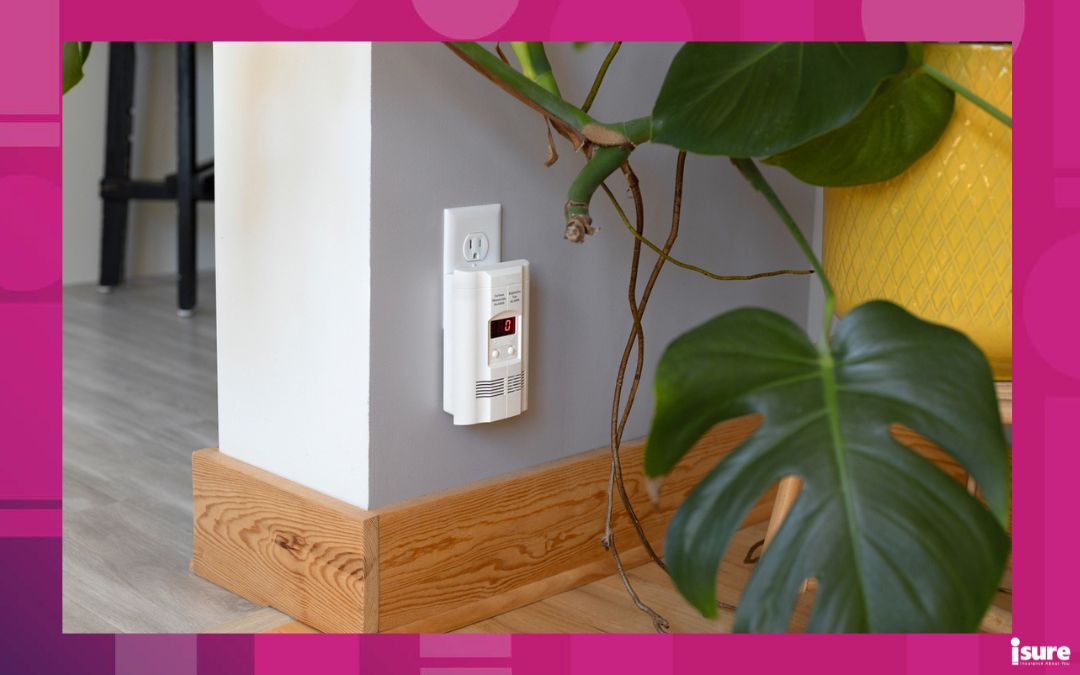
Please ensure all carbon monoxide detectors are used in accordance with the manufacturer’s instructions. The 2026 Ontario Fire Code provides flexibility when it comes to the type of device you use. This means you can use a hardwired detector, a battery-operated detector or a plug-in model. You may also choose a combination device that integrates smoke and carbon monoxide detection in a single unit. If you choose this route, it is essential that everyone in your household can distinguish between the two alarm sounds.
When shopping for a new device, you can always verify that it meets Canadian performance standards. You can look for a certification logo from a recognized testing agency on the packaging. Some testing agencies include:
- Canadian Standards Association (CSA)
- Underwriters Laboratories of Canada (ULC)
- Electrical Testing Laboratories (ETL)
By doing so, you make sure the device you are buying is reliable.
Conclusion
You must ensure your home is compliant with the new 2026 Ontario Fire Code laws. Check your alarms today and don’t wait for an inspection or emergency. Remember, if you have any questions about carbon monoxide alarms and home insurance, don’t hesitate to contact us at isure today.
Safeguard Your Home
Get a free home insurance quote today and protect what matters most.


Purchasing a new home can be a stressful, scary time Read more
With the arrival of colder weather, many Canadians are huddling Read more

Winter in Canada can be harsh, but with the right Read more