
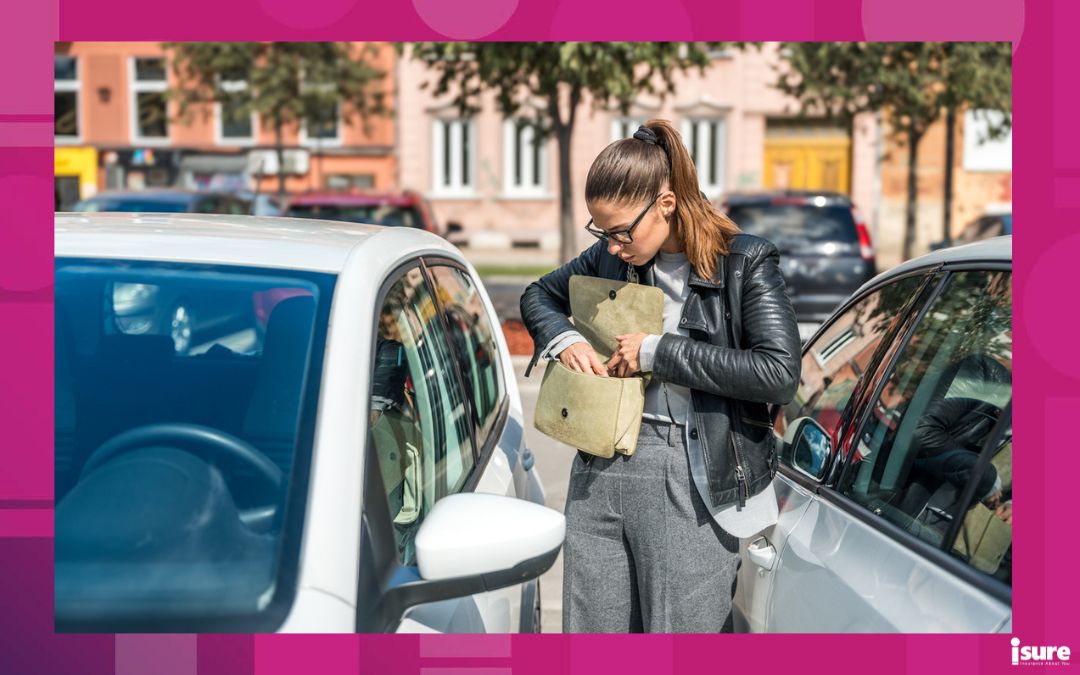
Distraction theft is on the rise across Ontario, targeting unsuspecting victims in public spaces, parking lots, and even at ATMs. These crimes often involve a clever ruse while an accomplice steals your valuables. Seniors are particularly at risk, but anyone can fall prey to these tactics. Understanding how distraction theft happens and taking simple precautions can help you stay one step ahead.
What is Distraction Theft?
In simple terms, distraction theft is when a person uses distraction tactics to catch their victims off guard and pull their focus away from what they’re doing. Once distracted, a thief—or thieves—will proceed to steal items such as money, wallets, or other valuables. In Ontario, distraction thefts have seen a significant increase in 2025, particularly in urban areas like Toronto and Ottawa. Toronto Police reported over 350 such incidents by September, a sharp rise from just 28 during the same period in 2024.
Who Do Criminals Target?
According to Toronto Police, this kind of theft typically targets people between 60 and 90 years old who are often alone and wearing visible jewelry. Ottawa has seen around 70 reported cases, many involving seniors targeted with deceptive tactics such as placing “gift” jewelry on them while stealing their own valuables. Province-wide police investigations recently led to arrests for 130 charges related to distraction thefts, including shoulder-surfing at ATMs to obtain PINs. These statistics underscore the growing sophistication of these crimes and the importance of preparation and awareness.
“It’s alarming. That is an upwards trend that we are seeing across the GTA,” Toronto Police Service Chief Supt. Mandeep Mann said in a news conference on Wednesday, adding the force is working with its partners across the GTA to “pinpoint” what is spiking this type of crime and identify who is responsible.
How Does This Type of Theft Happen?
The Ontario Provincial Police have warned that distraction theft can happen quickly and comes in a variety of forms. Thieves use tricks, diversions, and sleight of hand to distract targets, who are often chosen because they are alone or wearing valuable jewelry. Common tactics include:
- Crowding someone or spilling something on them
- Dropping money on the ground near the potential victim
- Striking up a conversation
- Asking for directions, or starting an argument
- Pretending there is something wrong with the target’s car.
- Robbery after using an ATM
- Knocking on the door to ask for help
Common Distraction Scenarios
- Distracting you with fake jewelry and swapping it with your real necklace or bracelet in a quick fashion.
- Preying on those who are vulnerable, including mothers, who may be distracted in a parking lot. Criminals will say they found a car part of yours and will offer to fix it, while an accomplice is already inside your vehicle, stealing belongings, OR trying to steal your vehicle.
- Thieves will also put a flyer or substance on your windshield so that you need to get out of your vehicle to remove it, which is when they will attempt to steal your car.
- A team may approach your home as a salesperson or disguised as a handyman repairing a “leak”, and can attempt to force their way inside once you open the door.
Does My Insurance Cover Distraction Theft?
Understanding your insurance coverage is just as crucial as taking preventive measures. In Ontario, home insurance policies often include protection for personal belongings stolen outside the home, but there are some important caveats:
- Limits and Exclusions: Many standard policies have coverage limits for items taken outside your home. For example, cash, electronics, and jewelry may have low limits or may require a separate rider to be fully covered.
- Riders and Endorsements: If you regularly carry high-value items, consider adding a rider or endorsement to increase coverage for those belongings.
- Filing a Claim: Keep receipts, photos, and a detailed list of stolen items. Contact your insurer promptly to start the claims process. Being thorough can improve the chances of a successful claim.
- Personal Responsibility: Even with insurance, prevention is cheaper and easier than recovery. Insurance is a safety net, not a substitute for vigilance.
How To Protect Yourself From Becoming a Victim
- Stay alert to your surroundings and be particularly cautious in crowded or high-traffic areas, such as parking lots, shopping malls, and transit hubs.
- Keep your belongings secure, such as zipping up bags and keeping them close to your body. Avoid leaving valuables on cafe tables or hanging bags on chairs.
- Trust your instincts. If someone’s behaviour is odd, unusually engaging, or intrusive, create distance and walk away.
- Decline unsolicited gifts, especially if a stranger insists on hugging or touching you. If someone is close enough to put a necklace on you, they are too close.
- Keep your valuables out of sight when possible. If approached under suspicious circumstances, report the incident to the police.
To report a crime anonymously, call Crime Stoppers at: 1-800-222-8477(TIPS) or online at: www.222tips.com. To report a crime to the Toronto Police that is not an emergency, call 416-808-2222 or *TPS (*8-7-7) on your mobile device.
Staying safe isn’t just an individual effort; community awareness plays a key role. Neighbourhood watch programs, local police alerts, and social media updates help residents stay informed about suspicious activity. Cities also offer workshops for seniors and newcomers to recognize scams and theft tactics. Sharing safety tips with friends and family, especially those who are more vulnerable, strengthens the community’s ability to prevent theft and respond effectively when incidents occur.
Distraction Theft: Conclusion
While taking precautions is the best way to prevent distraction thefts, it’s also essential to understand how your insurance can protect you if the worst happens. In Ontario, many home insurance policies provide coverage for personal belongings stolen outside your home, but limits and exclusions vary. High-value items such as jewelry, cash, or electronics may require additional coverage or a rider to ensure complete protection. Reviewing your policy and speaking with your insurer or isure broker can help you understand what is covered, what isn’t, and whether you need to make adjustments to stay protected against theft on the go.
Drive with Confidence
Request your free car insurance quote now and get the coverage you deserve.


It's no threat that home theft and invasions have become Read more

With auto theft occurring to some vehicle models more than Read more

Gone in 60 seconds? Find answers to some of the Read more