
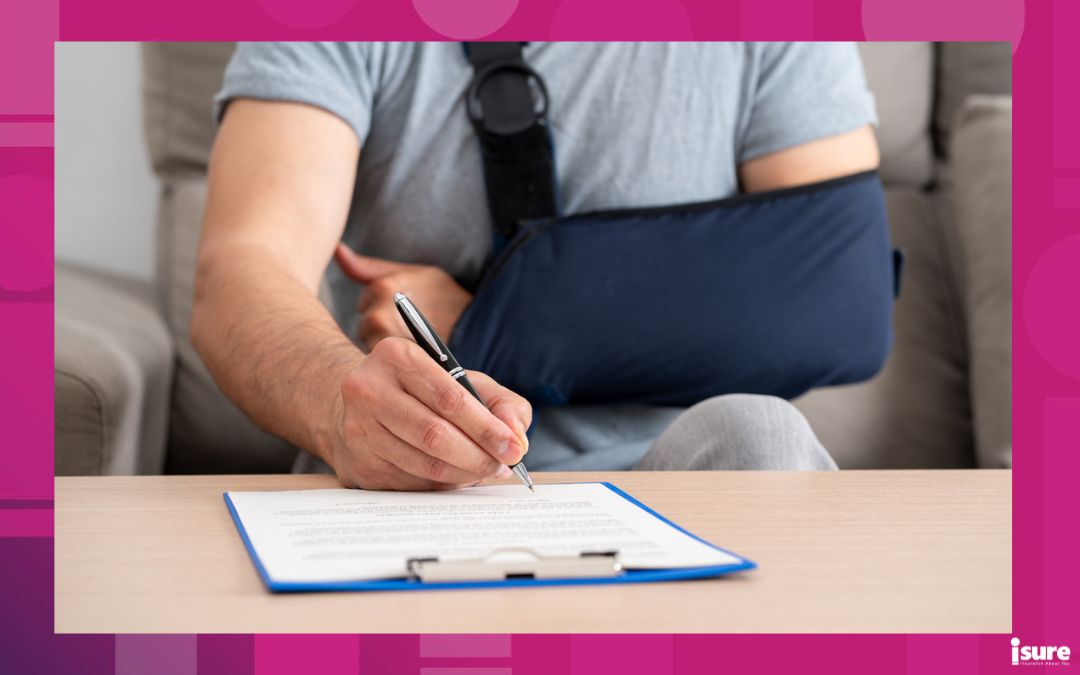
If you are injured in a car accident and, as a result, are unable to work, this is where Income Replacement Benefits come in. These benefits are included in Ontario’s auto insurance system. Here is a breakdown of what Income Replacement Benefits are and how they work.
What Are Income Replacement Benefits?
Income Replacement Benefits are weekly payments made by your auto insurance company when accident-related injuries make you unable to work. They are intended to help cover everyday living expenses, including rent or mortgage payments, groceries, utilities, transportation, and other essential costs. IRBs are governed by Ontario’s Statutory Accident Benefits Schedule (SABS), which sets out who qualifies, how much is paid, and how long benefits can last.
What Does “Unable to Work” Mean?
To qualify for Income Replacement Benefits, you must show that your injuries cause a substantial inability to perform the key tasks of your job. Medical documentation is required to support your claim, and insurers may request updates as your recovery progresses.
Who is Eligible for Income Replacement Benefits?
Eligibility is not limited to full-time employees. Students, apprentices, seasonal workers, contract workers, and individuals holding multiple jobs may also qualify, depending on their employment history and the impact of their injuries. You may qualify for Income Replacement Benefits if:
- You were employed or self-employed at the time of the accident
- You were unemployed but had worked at least 26 weeks of the previous year prior to the accident
- A healthcare professional confirms that your injuries are severe enough to prevent you from performing the essential tasks of your pre-accident employment
How Much Do These Benefits Pay?
Your benefit amount is calculated based on your pre-accident earnings and the coverage limits selected in your policy. Your payment depends on your pre-accident earnings and your policy’s coverage level. Under Ontario’s standard auto insurance coverage:
- 70% of your gross weekly income
- Benefits are capped at $400 per week
When Do Income Replacement Benefits Begin?
Benefits usually begin after a 7-day waiting period following the accident. This means you will not receive payments for the first week, even if you are unable to work immediately.
Once your claim is approved and the required medical forms are submitted, benefits are typically paid on a regular schedule, such as weekly or bi-weekly.
How Long Can You Receive Income Replacement Benefits?
The length of time you can receive IRBs depends on your ability to work and the severity of your injuries.
- First 104 weeks: You must be unable to perform the essential duties of your pre-accident job.
- After 104 weeks: You must meet a stricter test and show that you are unable to work at any job you are reasonably suited for, based on your education, training, or experience.
How Does it Work When Someone is Self-Employed?
Self-employed individuals may qualify for IRBs, but insurers will require proof of income. Therefore, it is crucial to maintain clear records to avoid delays. Some examples of proof of income include:
- Your business was active at the time of the accident, and
- You were earning income before the collision
Documents may include tax returns, Notices of Assessment, invoices, contracts, or financial statements. Clear records can help avoid delays or disputes.
What Other Benefits Affect Income Replacement Benefits?
Income Replacement Benefits may be reduced if you receive any income from other sources. This prevents recipients from receiving the same benefits/income twice. Here are some of the benefits that impact Income Replacement Benefits:
- Employer disability benefits
- Employment Insurance (EI)
- Canada Pension Plan (CPP) disability benefits
Losing your income after an accident can be stressful. Income Replacement Benefits help you stay financially stable while you focus on getting better, especially if you don’t have paid sick leave or disability coverage through work. If you have been in an accident and think you may be eligible, contact us today.
What if Your Income Replacement Benefits Are Denied?
In some rare cases, insurers may deny or reduce your income replacement benefits. If this happens, you have the right to ask for written reasons, submit additional documentation, and pursue dispute resolution under Ontario’s insurance system. Here are a few reasons why it would be denied:
- Disputes about your ability to work
- Insufficient medical evidence
- Questions about income verification
Why Does It Matter?
For many Ontarians, missing even a few paycheques can cause serious financial stress. Income Replacement Benefits help protect you from sudden income loss, especially if you do not have paid sick leave or private disability insurance through work.
They are designed to provide stability during a difficult time, allowing you to focus on recovery rather than financial survival.
IRB: Conclusion
Losing your income after an accident can be stressful. Income Replacement Benefits help you stay financially stable while you focus on getting better, especially if you don’t have paid sick leave or disability coverage through work. If you have been in an accident and think you may be eligible, contact us today.
Protect Your Business
Request a free commercial insurance quote today and keep your business secure.


Injured in a car accident? Do you require medical compensation? Read more

Being injured is overwhelming, but filling out forms shouldn't be. Read more