
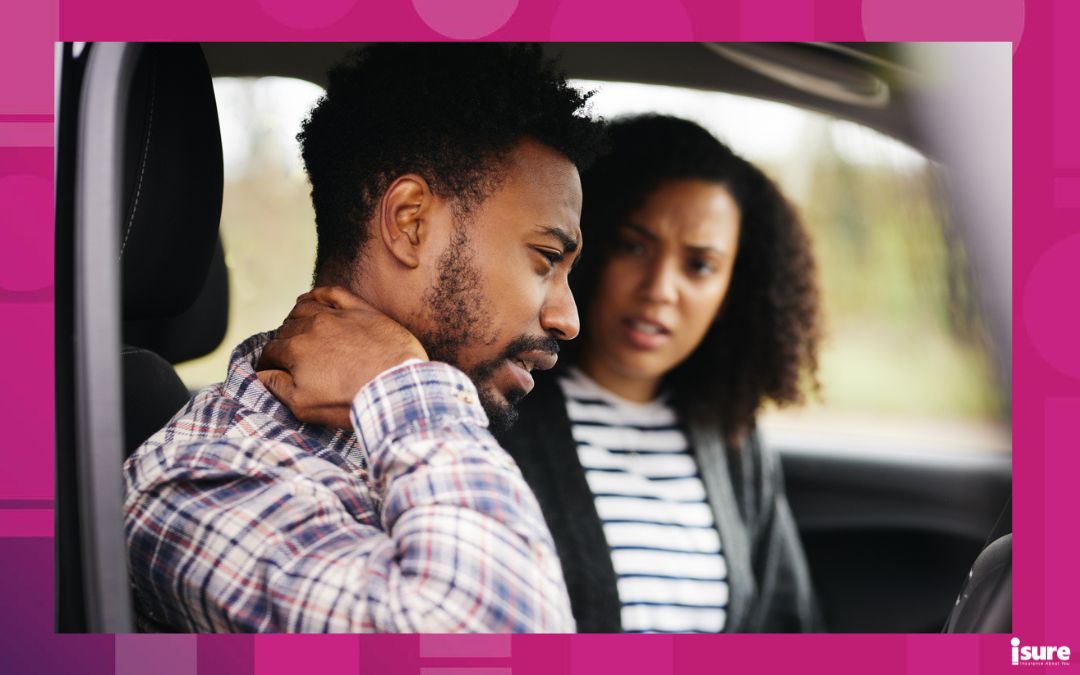
Being injured in a car accident is overwhelming, especially when you’re only a passenger with no control over what happened. Many people are unsure who is responsible for medical bills, time away from work, or long-term care. Understanding how this coverage works can help you take the proper steps and protect your rights after an accident. Here is a breakdown of insurance coverage for passengers in a car accident.
Are Passengers Covered When Injured in a Car Accident?
Yes. All passengers who are injured as a result of an accident are eligible for Statutory Accident Benefits. These benefits provide medical and financial support and apply regardless of circumstance. Whether you were riding with a friend/family member, in a company-owned vehicle, or even in a taxi/rideshare vehicle, you will be covered.
What Should a Passenger Do After Being Injured in a Car Accident?
To protect themselves, an injured passenger should take the same steps one would if they were behind the wheel. The steps are:
- Get medical attention immediately.
- Exchange information with all those involved in the accident.
- Photograph the scene and note all injuries.
- Report the accident to the police (when required by law).
- Notify your insurer within 7 days of the incident.
- Submit your Accident Benefits Claim within 30 days of the incident.
- If injuries are severe and will cause long-term difficulties, consider calling an Ontario personal injury lawyer.
Who Pays for the Injuries?
- It depends. In the case of what coverage would apply to these injuries,
- If the passenger has auto insurance, the benefits are paid by their own auto insurer.
- If the passenger does not own a vehicle or auto insurance, coverage may instead come from the insurer of a spouse or parent within their household.
- Should no insurance exist in a household, the next source of coverage would be the owner of the vehicle they were in.
- If the vehicle owner does not have insurance, coverage would then fall to the insurer of the other vehicle involved in the accident.
- Furthermore, if no insurance is available through any of these sources, the Motor Vehicle Accident Claims Fund serves as a final safety net.
What Types of Benefits Can Passengers Receive?
Once benefits are approved, passengers may receive various benefits depending on their needs. Here is a list of potential benefits:
- Medical/rehabilitation treatments
- Physiotherapy
- Dental work
- Medication/medical devices
- Attendant care support
- Income replacement benefits (in the event you cannot work)
- Non-earner benefits (if you do not qualify for income replacement)
- Funeral/death in the case of fatal collisions.
Does the Passenger Need to File Their Own Insurance Claim?
Yes. To receive benefits, the passenger must first file an accident benefits claim with their insurance provider within 7 days of the accident. Once they are notified, they will send you an accident benefits application, which must be submitted within 30 days of the accident. To smooth the process, a lawyer, family member, or healthcare provider may assist with the application if the passenger is unable to complete the forms independently.
What if the Accident is Caused by the Driver of the Car the Passenger is in?
Passengers can still receive accident benefits; all passengers are entitled to them regardless of whether the driver was responsible for the collision.
If needed, in addition to no-fault benefits, the passenger may pursue a negligence claim against the at-fault driver. However, to succeed in this type of lawsuit, passengers must meet Ontario’s legal injury threshold, which generally requires the passenger to prove that the injury is severe and will have long-term implications.
Can a Passenger Sue the Driver After the Accident?
Yes. A lawsuit may be an option. Through legal action, passengers may be entitled to receive additional compensation. Here are some examples:
- Pain and suffering damages
- Loss of income that stretches beyond available benefits
- Future medical or care expenses
- Out-of-pocket expenses
What if the Accident is a Hit-and-Run with an Uninsured Driver?
If the accident is a hit-and-run with an uninsured driver, passengers still have access to support. In these cases, the claim is typically handled by the insurer of the vehicle the passenger was in. However, in cases where there is no passenger insurance coverage available, Ontario’s Motor Vehicle Accident Claims Fund can provide benefits and compensation up to set limits.
Does Seatbelt Use Impact a Passenger’s Coverage or Benefits?
Yes. Passengers who were not wearing a seatbelt at the time of the collision are still eligible for accident benefits. However, if they file a lawsuit for additional compensation, the amount awarded may be reduced if a court finds that not wearing a seatbelt contributed to the severity of their injuries.
Passenger Accident Coverage: Conclusion
Drive with Confidence
Request your free car insurance quote now and get the coverage you deserve.


Injured in a car accident? Do you require medical compensation? Read more

If you have been injured in an auto accident, you'll Read more

Injuries are unfortunately a common part of serious motor vehicle Read more