
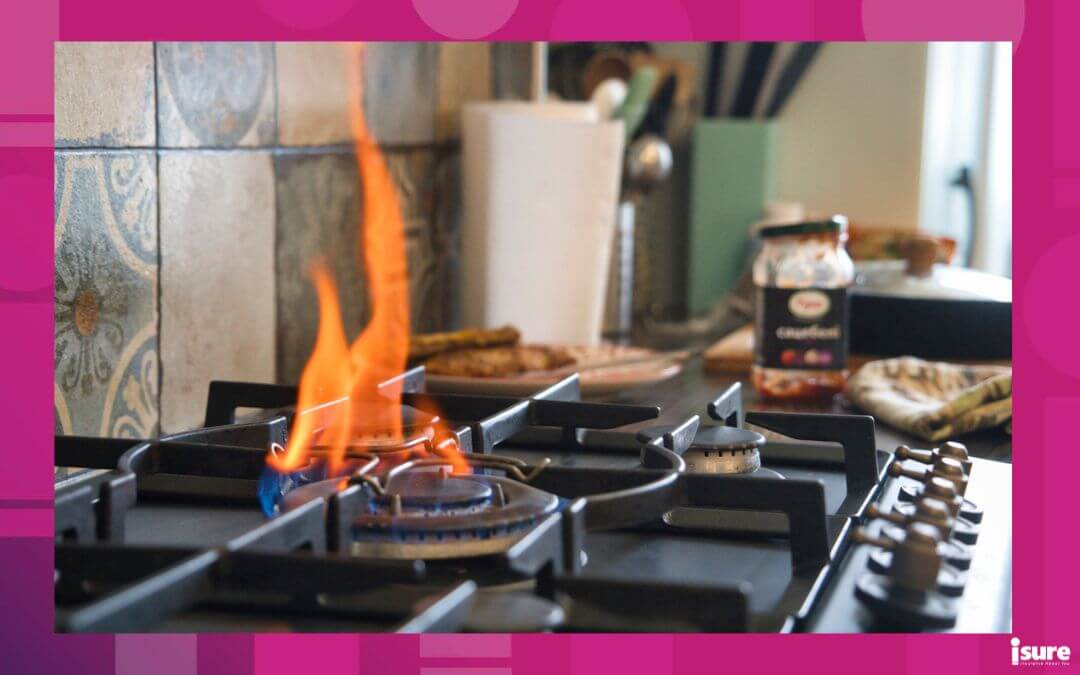
The kitchen is one of the most common places for household fires to start. In fact, cooking is the leading cause of house fires. Here are some tips to significantly reduce the risk of kitchen fires and keep your home and family safe.
Stay Attentive While Cooking
To start, one of the most crucial kitchen safety tips is to remain attentive. Most kitchen fires start when food is left unattended. When heat is allowed to build up in the stove or oven and ignite oil, grease, or dry ingredients, be sure to remain in the kitchen and keep an eye on what you’re preparing. Additionally, stay alert to changes in smell, smoke, or temperature so you can catch potential hazards early.
Watch Out for Grease and Oil to Avoid Kitchen Fires
Grease and oil can ignite quickly when overheated, so managing this is a crucial tip for kitchen safety. Always heat oils slowly and watch for signs that the oil is too hot, like a shimmer. One common firestarter is leftover residue that can ignite even at moderate temperatures. Regularly removing built‑up grease from stovetops, burners, and pans also helps prevent flare-ups. Be sure to keep a metal lid or baking soda nearby to ensure you’re ready to smother small grease fires safely. Also, it is crucial to remember that you cannot douse a grease fire with water; it will only spread.
Keep Flammable Items Away From Your Cooking Area
Flammable items such as dish towels, paper products, packaging, and loose cooking utensils should always be kept far from heat sources to prevent accidental fires. Even brief contact with a hot burner or open flame can ignite materials and escalate into fast‑spreading fires. You can help avoid this by establishing a “clear zone” around the stove, free of clutter and combustibles and reducing the risk of fire spreading before you have a chance to react.
Dress for Safety When Cooking
Loose sleeves, scarves, and dangling accessories can brush against burners or heating elements and catch fire instantly. Choosing fitted or short sleeves and tying back long hair minimizes these risks and allows you to move more safely around hot surfaces.
Use Appliances Properly
Following appliance instructions and using equipment as intended are key to preventing kitchen fires. Every kitchen appliance, from toasters to air fryers, comes with specific guidelines designed to prevent overheating and electrical hazards. Avoid overloading outlets, keep cords away from hot surfaces, and unplug appliances when not in use.
Maintain Fire Safety Equipment
Keeping a working fire extinguisher in or near the kitchen, checking smoke alarms regularly, and ensuring exhaust fans and range hoods function correctly help detect and contain potential fires early. Reliable safety devices buy valuable time in an emergency, giving you a chance to respond quickly and prevent a small flare-up from becoming a larger, more destructive fire.
Clean Your Stovetop Regularly to Avoid Kitchen Fires
Regular cleaning plays a major role in reducing fire risk in the kitchen. Grease, crumbs, and food residue can accumulate on stovetops, inside ovens, and around heating elements, where they may ignite when exposed to high heat. Wiping surfaces after each use and deep-cleaning appliances on a routine schedule keeps cooking areas safe and efficient.
Avoid Using the Oven or Stove for Storage
Storing items in the oven or on stovetops creates a major fire hazard, especially if someone accidentally turns on a burner or preheats the oven without realizing something is inside. Materials such as plastic, cardboard, cookware with wooden handles, or forgotten pans can ignite or melt rapidly when exposed to heat. Keeping the oven and stovetop strictly for cooking ensures these surfaces remain clear of combustible or heat-sensitive objects, reducing the chance of an unexpected fire.
Use the Right Equipment for the Job
Using appropriate cookware and utensils helps prevent overheating, spills, and dangerous malfunctions. Pans that are too small can cause oil to overflow, while damaged cookware, especially on induction or glass-top stoves, may crack or warp under high heat. Using heat-resistant tools, properly fitting lids, and stable equipment can help contribute to safer cooking conditions. The right tools not only improve results, but they also significantly lower the risk of fire.
Turn Heat Sources Off Completely to Avoid Kitchen Fires
Turning off burners, ovens, and small appliances completely after use is an essential final step in fire prevention. Residual heat can scorch food, ignite grease, or overheat nearby objects if equipment is left running unintentionally. Double-checking knobs, switches, and power buttons before leaving the kitchen ensures all heat sources are safely shut down.
Making these kitchen safety tips part of your daily routine helps ensure that your kitchen remains a place for meals, not emergencies. Staying alert while cooking and knowing how to respond if a fire starts can make all the difference in an emergency.
Safeguard Your Home
Get a free home insurance quote today and protect what matters most.


A house fire is a devastating event, and if your Read more
House fires are one of the most devastating risks to Read more

Whether you're home alone or hosting a dinner party, keep Read more