
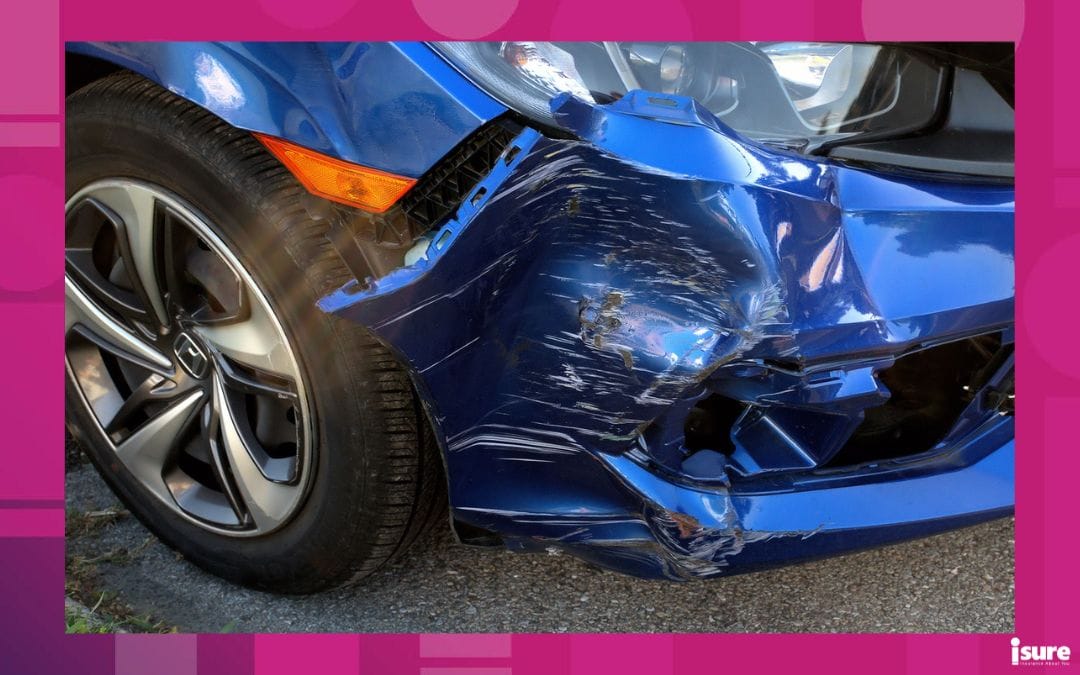
In 2025, Ontario expects to experience a decrease in the average Length of Rental (LOR) for collision-related car repairs. While this reduction indicates a shift from the record-high rental periods seen during the pandemic, challenges persist. Where? In both the repair and insurance industries in Canada. This includes rising repair costs, a shortage of skilled technicians, and an increase in the severity of collisions. Let’s examine the factors affecting LOR times in Ontario in 2025.
What is Length of Rental (LOR)?
In the context of car accident repairs, “Length of Rental” (LOR) refers to the average number of days a customer uses a rental car. In contrast, their vehicle is in for repairs or getting damage assessments. This metric is vital for both the auto insurance and collision repair industries. It measures the efficiency of the repair process and helps determine the impact on customers. LOR is typically calculated by averaging the number of days a replacement vehicle is rented. This period begins on the date a driver files a claim for a collision. It ends when the vehicle repairs are complete and the car is back in its owner’s possession.
Understanding LOR is crucial for both customers and insurers, as it directly affects the cost of repairs and the rental period, thereby impacting both insurers’ bottom lines and customers’ convenience. It’s also a key metric for the auto repair industry to gauge how quickly repairs can be completed and vehicles returned to customers.
Current LOR Trends
The length of rental (LOR) in 2024 Q4 was 15.4 days — a full-day decrease from the same period in 2023, according to rental car company Enterprise. That’s in comparison to 2022 Q4, which saw a record-high LOR of 17.1 days. Experts report that the drop in LOR over the past two years can be credited to two reasons:
- An overall decrease in collision and property damage claims volumes: “With insurance premiums rising, many consumers are either dropping coverage or raising their deductibles to afford their policies. When this happens, there is less likelihood of a collision claim being filed — especially for minor damage,” says Ryan Mandell, Mitchell’s Director of Claims Performance.
- Fewer parts delays: “Supply chains have been right-sized over the past year, and parts availability has improved, resulting in fewer delays in procuring replacement parts,” says Mandell.
Canada’s Length of Rental Q4 2024 reports show an even decrease; however, the overall results are still 3.6 days higher than they were four years ago. The average repair time in 2021 totaled 12.8 days, while in 2020, collision-related car rentals were out for 11.8 days.
Factors influencing LOR
The length of collision-related car rentals is decreasing due to a combination of factors. This may include improved parts supply chains, a decrease in collision and property damage claims, and fewer parts delays. Several factors contribute to the ongoing length of rental times across Ontario and Canada:
- Improved Parts Supply Chains. Reduced delays in parts procurement have resulted in quicker repairs and shorter rental periods.
- Decreased Collision Claims. Rising insurance premiums and higher deductibles have led to a decrease in collision claims, particularly for minor damage, resulting in shorter rental periods.
- Repair Operations Adjustments. As parts availability improves, repair shops are more likely to fix damaged parts instead of waiting for replacements, reducing the overall LOR.
- Workforce Shifts. Challenges like workforce shifts and changing driving patterns in 2022-2023 have eased, positively impacting LOR.
Despite these improvements, skilled technician shortages in collision repair remain a significant issue. The labor shortage in Canada and the U.S. continues to slow repair processes, leading insurers to cover extended rental periods.
Why is LOR still high?
Despite these improvements, LOR times in Ontario remain higher than expected, and there are a few key reasons for this.
Skilled Technician Shortage
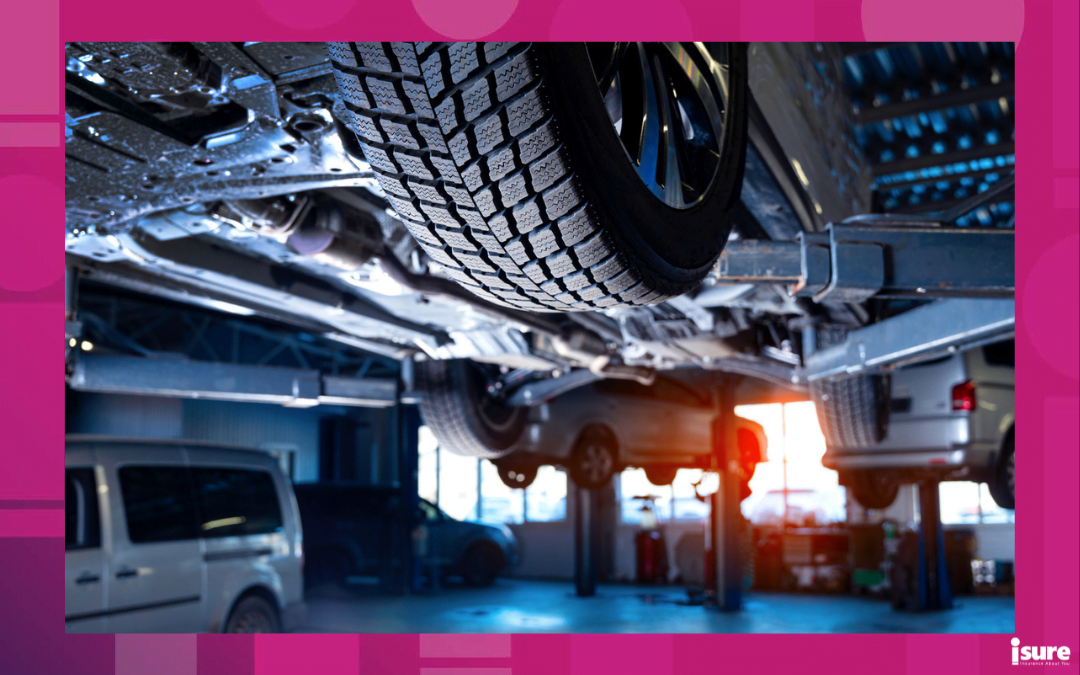
One of the primary contributors to high LORs is the ongoing shortage of skilled repair technicians in the collision repair industry. This shortage, exacerbated by the pandemic and ongoing labor market issues, continues to impact repair timelines. Without sufficient technicians, repair shops struggle to handle the volume of claims, resulting in delays in completing vehicle repairs. As a result, rental periods are extended, and insurers ultimately cover these additional days. For many organizations in the industry, attracting and training new talent remains a key initiative to address these challenges.
Rising Severity of Vehicle Collisions and Fatalities
The increasing severity of vehicle collisions is another factor that impacts LOR. In 2025, Ontario is witnessing its highest road fatality rates in 15 years, and this upward trend is expected to continue. Severe accidents typically involve extensive vehicle damage, resulting in longer repair times and, consequently, extended rental periods. Factors, like distracted driving, speeding, and alcohol-related incidents, are contributing to this rise in collisions, and the increasing frequency of claims for severely damaged vehicles only adds to the pressure on repair shops and rental companies.
Factors Contributing to Severity
- Human Behaviour: Human behaviour, including distracted driving, speeding, and alcohol-related incidents, remains a leading cause of roadway fatalities.
- Seatbelt Non-Compliance: Despite public awareness efforts, seatbelt non-compliance remains a critical safety issue.
- BEV Collision Claims: The frequency of claims for collision-damaged, repairable battery electric vehicles (BEVs) increased to 2.71% in the U.S. and 3.84% in Canada in 2024, representing a year-over-year rise of 38% and 34%, respectively.
Government Efforts to Improve Road Safety
To help address the increasing severity of accidents and improve road safety, Canadian authorities are intensifying their national safety strategies. Canada’s Road Safety Strategy 2025 promotes the Vision Zero initiative, which aims to eliminate all road deaths and serious injuries. Vision Zero is a multi-national initiative that advocates for safer road systems for all types of road users, including pedestrians, cyclists, and those using light mobility devices such as wheelchairs and scooters.
As the government continues to push for safer road systems, the long-term goal is to reduce accidents, thereby lowering the need for extended rental periods due to vehicle repairs. The introduction of safety technologies, such as airbags, seatbelts, and automatic braking, dramatically reduces fatalities among vehicle occupants. However, there is less focus on protecting vulnerable road users, including pedestrians and cyclists. This is an area where more investment is necessary.
OPCF 20: Loss of Use Endorsement
For drivers involved in a collision, ensuring adequate coverage for rental vehicles is essential. In Ontario, it is not a requirement for drivers to purchase additional insurance from rental car companies. However, they do need sufficient coverage to cover collision rental expenses. One option available is the Loss of Use endorsement (OPCF 20), which can be an add-on to an existing auto insurance policy. With OPCF 20, your insurance policy will cover the rental car until your vehicle is repaired or until you mazimize your coverage limit—whichever comes first. OPCF 20 is an endorsement that you can add to your current policy, meaning it is not a standard inclusion.
By talking with an isure representative, you can better understand the rental coverage available under your current policy and find a reputable repair shop for your vehicle. While LOR times may still be longer than desirable, proper insurance coverage can help ease the process and ensure you have the necessary transportation during repairs.
Length of Rental Cars and Collision Repairs: Conclusion
As Ontario continues to deal with extended Length of Rental (LOR) times for collision-related repairs in 2025, both drivers and insurers must adapt to the challenges posed by a skilled labor shortage, rising collision severity, and fluctuating repair times. While LOR has decreased from pandemic peaks, it remains higher than pre-pandemic levels due to various ongoing issues in the repair and insurance industries. Government initiatives aimed at improving road safety and reducing the severity of accidents offer hope for the future. In the meantime, ensuring sufficient coverage, like OPCF 20, can help drivers navigate the rental process more smoothly during repair periods. By remaining knowledgable and proactive, customers can help reduce the frustration of LORs while ensuring they have adequate protection during repairs.

Car rentals are sometimes a necessary expense that arises. What Read more
What's the hold up? Wait times for collision-related car repairs Read more

Auto repair costs for insurers continue to rise, so what Read more