
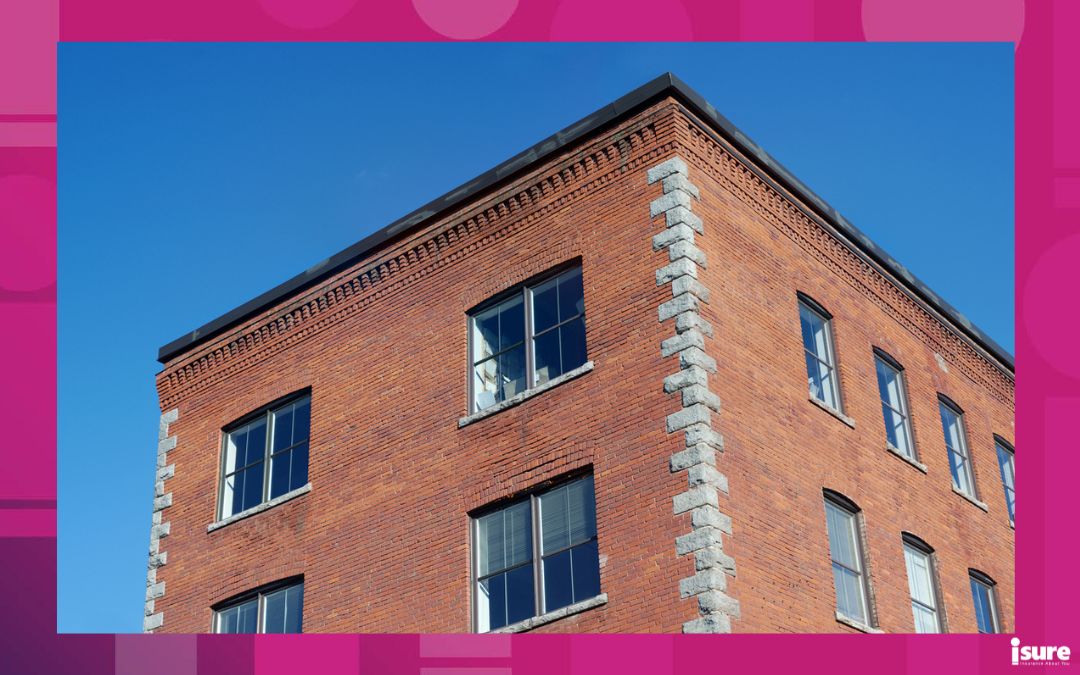
Older buildings are more expensive to insure because they cost more to rebuild due to outdated systems, rare materials, stricter building codes, and a higher risk of damage.
If you’ve noticed your older property has higher insurance premiums, you may be curious why. This is due to replacement cost, or the amount it would take to repair or rebuild an older property today using the same materials. In most cases, rebuilding an older property is more complex and expensive, since original materials may no longer be available. To add to this, skilled trades may be needed to restore specific features, and repairs can often require certain upgrades to meet building codes. These, along with other factors, can increase replacement costs.
Let’s take a closer look at older buildings and why they are more expensive to insure.
Why Are Older Buildings More Expensive To Insure?
Recently, insurance advisor Trevor Elliott shared a striking example on LinkedIn. A photo compared lumber from 1918 with lumber from 2018. The 1918 wood had more than 60 growth rings, making it denser, stronger, more insect-resistant, and slower to burn. That type of old-growth lumber is no longer available at scale today. Replacing it requires premium-grade materials or specialized craftsmanship, both of which are more expensive.
The example of old-growth lumber illustrates how materials in older properties can be stronger, rarer, and more expensive to replace today. But that’s just one piece of the puzzle. Several other factors also make older buildings more costly to insure and rebuild — and insurers take them all into account:
1. Age and Compliance Issues
Buildings constructed before the 1960s often contain outdated systems and materials that no longer meet today’s building codes. Knob-and-tube wiring, galvanized plumbing, and aging roofs can all pose safety concerns and increase the chance of a claim. Insurers know these risks make a property more vulnerable to fire, flooding, or structural failure, and they price policies accordingly. On top of that, bringing an older building up to modern safety standards after a loss can add thousands of dollars to the replacement cost.
2. Unique and Hard-to-Replace Materials
Older buildings were often constructed with materials that aren’t standard in today’s market, such as plaster walls, heavy timber beams, slate roofing, or detailed stone masonry. These materials were built to last but are now expensive to source or may require custom fabrication. Even something as simple as matching historic windows or trim can significantly increase repair costs, which is why replacement cost insurance is higher.
3. Specialized Labour and Craftsmanship
Replicating the quality of older properties requires specialized trades and expertise. Restoring heritage features, such as stained glass windows, hand-carved woodwork, or intricate tiling, requires hiring artisans with specialized expertise. Their work preserves the building’s character but comes with a higher price tag than general contracting. This need for specialized labour directly affects both insurance premiums and actual replacement costs after a claim.
4. Building Code Compliance During Repairs
Insurance doesn’t just cover a rebuild “as it was.” When damage occurs, insurers must ensure the property meets current building codes for fire safety, accessibility, energy efficiency, and more. For an older structure, this might mean replacing outdated electrical systems, reinforcing the foundations, or upgrading insulation and HVAC systems. These improvements are essential but can add high costs to any repair or replacement project, which is why code compliance is a substantial factor in premium pricing.
5. Higher Risk of Claims
Insurers look at the likelihood of a claim when setting premiums. Unfortunately, older buildings tend to pose higher risks: aging plumbing is more prone to leaks and water damage, older electrical wiring is a fire hazard, and worn roofing is vulnerable to storm damage. These risks mean claims are more likely, and that risk is reflected in the higher cost of insuring an older building.
6. Replacement Cost vs. Market Value
One of the biggest misconceptions property owners face is confusing market value with replacement cost. Market value is what someone would pay for your property today. Replacement cost is what it would take to rebuild it with materials of similar quality. With older properties, replacement cost often far exceeds market value — especially when rare materials or specialized trades are required. This gap explains why insurance for older buildings can feel disproportionately expensive.
Business Property Insurance Considerations for Older Buildings
Running a business comes with many responsibilities, and protecting your physical assets should be one of your top priorities. Whether you operate a retail store, own a commercial building, or work from a home office, Business Property Insurance (also called Commercial Property Insurance) is essential for protecting your physical property and contents from unforeseen risks. For business owners, however, insuring older buildings requires more care. Commercial property insurance protects physical assets like buildings, equipment, and inventory from perils such as fire, theft, vandalism, and accidental water damage.
What Does Business Property Insurance Cover?
Coverage varies by provider and policy, but standard protections include damage or loss due to:
- Fire and smoke
- Lightning strikes
- Hail and windstorms
- Explosions
- Vandalism and civil unrest
- Theft (excluding employee theft)
- Vehicle or aircraft impact
- Accidental water damage
Protect Your Business
Request a free commercial insurance quote today and keep your business secure.


Tips for Property Owners of Older Buildings
1. Get a Replacement Cost Appraisal
Please work with your insurance broker or a professional appraiser to ensure your policy reflects the actual cost of rebuilding your property. Too often, older buildings are underinsured because owners rely on market value instead of replacement cost. An updated appraisal helps you avoid being left short in the event of a significant loss.
2. Update Critical Systems
Modernizing your plumbing, electrical, and HVAC systems doesn’t just improve safety; it can also reduce the risk of costly claims. For example, replacing galvanized pipes before they fail can save you from a major flood, while upgrading old wiring reduces the risk of a fire. Some insurers even reward proactive updates with lower premiums.
3. Keep Up with Maintenance
Ongoing upkeep is essential for older properties. Regular roof inspections, foundation checks, and routine servicing of heating and cooling systems can prevent minor issues from becoming costly claims. Demonstrating good maintenance habits can also make your property more attractive to insurers.
4. Ask About Bylaw or Ordinance Coverage
If your older property is damaged, you may be required to rebuild it to current building codes — even if that means making extensive upgrades. Bylaw or ordinance coverage helps cover these additional costs, which aren’t always included in a standard policy. Without this coverage, owners can face significant out-of-pocket expenses after a loss.
Insure Your Livelihood
Protect Your Business Today So You Can Grow Tomorrow

Business Interruption Insurance (BI)
Business Interruption Insurance is designed to help you recover lost income and ongoing expenses while your business is temporarily closed. If you do need to temporarily shut down or suspend your company due to renovations or repairs, BI is an invaluable coverage to have. Most insurance providers offer a form of BI insurance that covers your revenue until your business returns to normal levels, matching revenue levels before whatever unforeseen event caused the sudden loss in the first place. However, sometimes business owners forget to protect themselves against the unexpected.
Insuring Older Buildings: Frequently Asked Questions
Why are older buildings more expensive to insure?
Older buildings are more expensive to insure because they cost more to rebuild due to outdated systems, rare materials, and higher labour and code compliance costs.
What is the difference between market value and replacement cost?
Market value is what a property would sell for, while replacement cost is what it would take to rebuild it today using similar materials and artistry.
Does updating an older building lower insurance costs?
Yes. Upgrading systems like plumbing, electrical, and roofing can reduce risk and may help lower insurance premiums.
Why do building codes affect insurance costs?
Building codes increase rebuilding costs because insurers and contractors must upgrade damaged older properties to meet modern safety, energy, and accessibility standards.
Can older buildings qualify for replacement cost coverage?
Yes. In most cases, you may qualify. However, insurers may require certain updates to the building or a replacement cost appraisal.
How often should I review my older buildings insurance?
It is important to review your policy at least once a year. Alternatively, reviews should be done after any major renovations to ensure your coverage accurately reflects the current rebuilding costs.
Insuring Older Buildings: Final Takeaway
Older buildings come with character, history, and craftsmanship that modern construction rarely matches. However, those benefits come with added costs and complexity for insurance and replacement. As Trevor Elliott pointed out, accurate replacement cost analysis is critical. Whether you own an older home or a commercial property, working with your insurance representative ensures you have the right coverage to protect your property and your peace of mind. Remember, if you have any questions regarding insuring your building, old or new, contact us at isure today.

While the heritage value of owning one of these structures Read more

Also known as Commercial Property insurance, we've answered some common Read more
If you own a small, medium or even large business Read more