
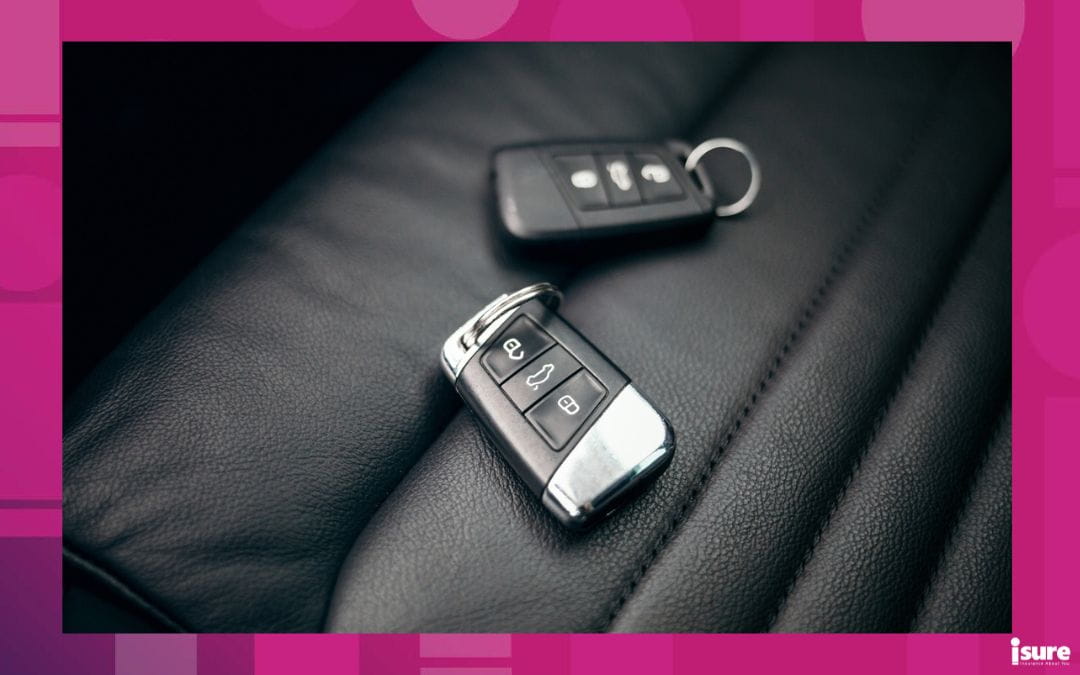
Recent amendments to Canada’s vehicle-safety regulations may provide financial relief and peace of mind for drivers nationwide. In Ontario, it’s no secret that auto insurance premiums and vehicle theft remain not only persistent but also costly. However, there is a glimmer of hope regarding this significant issue. This is especially true for some of the most stolen vehicles in the country. So, what are the proposed changes for Motor Vehicle Safety Regulations? How will they affect Canadians? Will cars really be more difficult to steal come 2028?
Motor Vehicle Safety Regulations: Proposed Changes
Announced in late December 2025, Transport Canada proposed changes to the Motor Vehicle Safety Regulations (MVSR). These changes will require all new passenger vehicles that are sold in Canada to be equipped with immobilization systems. These systems must resist rapidly evolving auto-theft techniques. The Insurance Bureau of Canada responded to the proposal in January at the beginning of this year.
“Over the past 10 years, auto theft in Canada has increased dramatically,” they stated.” One cause of this decade-long increase is that vehicles in this country have become too easy to steal. Modernized anti-theft standards are essential for making vehicles more secure and discouraging car thieves.”
They stated that these proposed amendments would replace outdated vehicle immobilization standards with updated standards. These new standards would align with the latest international requirements for theft protection. More specificially, CAN/ULC 1998 would be replaced with the new CAN/ULC 2025 standard.
“The CAN/ULC 2025 standard introduces a new category, ‘electronic attack tools’, that captures the increasingly sophisticated methods auto thieves have been using for the past decade.”
Not only will these new proposals result in cars being safer in driveways, but once implemented, save drivers thousands of dollars in car insurance premiums and surcharges.
Motor Vehicle Safety Regulations Have Struggled To Keep Up With Auto Theft Tech
An immobilizer is a basic car function that prevents the activation of the part of a car that is needed to start or power it. More often than not, this is the engine control unit. Motor Vehicle Safety Regulations have required all new cars in Canada to be equipped with an immobilizer.that meets the specified performance and testing standards. However, these standards have failed to keep up with new innovations when it comes to auto theft. Due to this, thousands of Canadians learn the hard way: that regulation-compliant immobilizers don’t keep up with today’s tech-savvy thiefs.
In most cases, the driver doesn’t need to turn on an immobilizer themselves. Instead, it’s armed when a driver performs a routine action, then disarmed when the opposite action is taken. For example, a car that is push-to-start, the immobilizer will be armed or disarmed whether the car’s electronic key fob is located within the vehicle.
Car Thieves Favour More Sophisticated Technology
Back in 2007, the tools of the auto-theft trade included wire cutters and screwdrivers. Back then, this setup worked well. Nowdays, however, auto thieves tend to favour more sophisticated On-Board Diagnostic (OBD key programmers, Controller Area Network (CAN) bus injection devices and other “electronic attack tools” that allow them to easily exploit vulnerabilities in a car’s internal system.
One popular method thieves use on is known as a “relay attack.” This targets push-to-start vehicles and vehicles with passive keyless entry. A car with these features will continually transmit a wireless requiest for a coded response from a key fob. If the car’s legitimate fob is too far or another fob responds with the wrong code, the car won’t start.
Tech-savvy thieves have found away around this, however. They use signal boosters to pick up and relay signals between the car and it’s fob. This effictively extends the distance at which the car and it’s key fob can perform their digital assignment, the car can be unlocked in seconds. This process is then repeated to start the car. When successful, the vehicle that is targeted can be gone in less than a minute after the thieves began. Safeguards for this exist, yet are not regulated in Canada like they are in other Countries. Due to this, Transport Canada aims to replace the outdated standards in the Motor Vehicle Safety Regulations with newer, more internationally recognized ones.
Motor Vehicle Safety Regulations Changes And The Impacts
If you drive in Canada, chances are you have multiple reasons to rejoice following the proposed regulations to Motor Vehicle Safety Regulations. This is especially the case when it comes to people who own cars most targeted by thieves. Not only does their risk of auto theft decrease dramatically, but they can also save a decent amount of money on insurance.
Currently, most major insurers place a premium surcharge on comprehensive coverage policies for frequently stolen vehicles. These generally range from $500 to $1,500 a year, depending on the insurer. In some cases, insurers will waive or reduce those surcharges if the vehicle is equipped with immobilizers that meet specific requirements. Any example of such immobilizer includes the AutoWatch Ghost-II.
If such technology becomes the standard, owners will avoid the hassle of the $1,000 price tag and aftermarket installation of such immobilizers. Steve Cohen, the VP Insurance & Chief Underwriting Officer at Rates.Ca states that insurers themselves have less to worry about.
“Carriers who place specific surcharges on vehicles that are more prone to theft could remove them if new theft and claims experience shows that vehicles equipped with these immobilizers are no longer at higher risk for theft,” he explained.
This same approach can be applied to comprehensive insurance, which covers any losses due to theft.
In The Meantime, Protect Your Car From Thieves
Unfortunately, these new propositions not being relased any sooner than the 2028 model year. This is because compliance won’t be required until two years after the amended regulations. These are under public review until March, are finalized and come into force.
In the meantime, owners of cars with keyless ignition systems can do their part in securing their car with some simple, low-cost tools. For example, a steering-wheel and brake lock are both visible deterrants to thieves, slowing them down significantly. Remember, if you have any questions regarding insuring your vehicle or car theft, don’t hesitate to contact us today!
Drive with Confidence
Request your free car insurance quote now and get the coverage you deserve.


Apple’s AirTags are designed to help users locate personal items Read more
Modern cars are typically fitted with a remote keyless entry Read more