
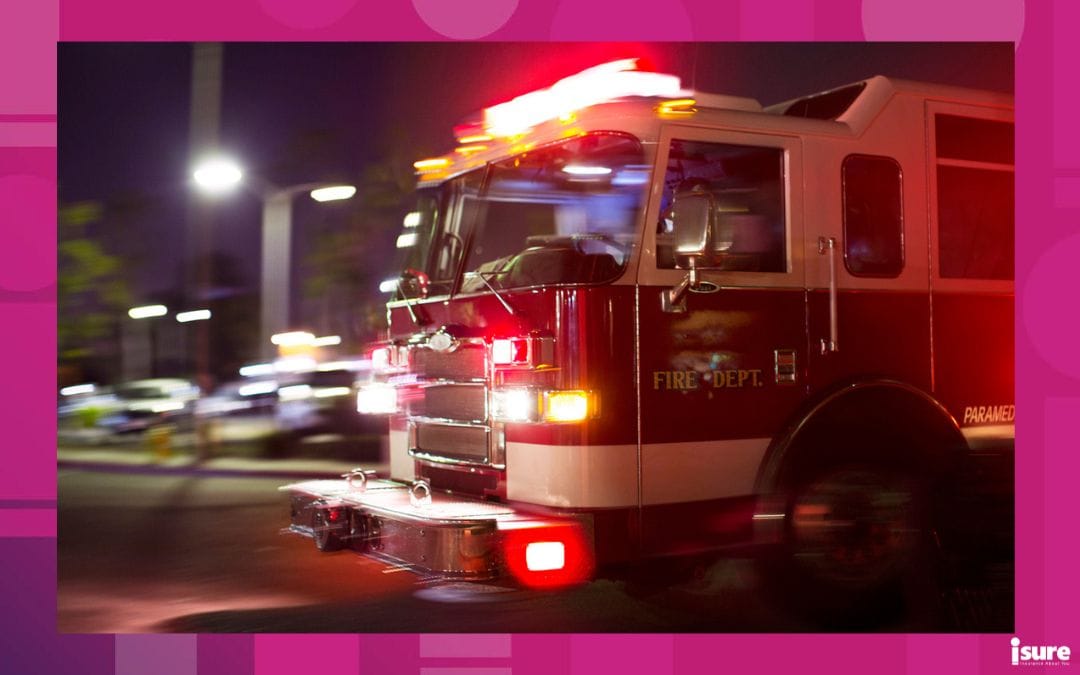
What Is the Move Over Law?
Slow down, move over is the law. In Ontario, it reminds drivers to slow down and move over for emergency vehicles and tow trucks. It aims to enhance the safety of workers and drivers when they encounter flashing lights behind them or approach a scene.
Are Any Vehicles Exempt From the Move Over Law?
Yes, some vehicles are exemption from this law. The vehicles exempt from following the move over law include fire trucks, police cars, ambulances, tow trucks, and highway maintenance vehicles. If you see one of these vehicles on the side of the road with its emergency lights on, you should slow down and move over, if possible.
Does The Move Over Law Apply in a Roundabout?
No, you don’t have to follow the Move Over Law while driving in a roundabout. However, you should yield to traffic on the right and use caution when entering and exiting the roundabout.
Can You Fight a Move Over Law Violation Ticket?
If you are pulled over and receive a ticket for violating the MOL, there are a few things that you can do to fight the ticket and avoid paying the fines:
- Consult with an attorney who specializes in traffic violations.
- Gather evidence to support your case. This may include eyewitness testimony from passengers in your vehicle or other drivers who witnessed the incident.
- You will also want to obtain a copy of the police report from the officer who gave you the ticket. This report will contain important information that can help build your defence.
Can An Ambulance Report You for Not Stopping?
If an ambulance is behind you with emergency lights and sirens operating, you have an obligation as a driver to pull over and stop. But that’s all. The ambulance crew cannot get out and write you a traffic citation. That is the job of law enforcement.
Can You Run a Red Light for an Ambulance?
Running a red light can still result in a fine, even if you are moving out of the way of an emergency service vehicle. Examples that serve a heavy fine include: entering a bus lane or driving through a red traffic light.
Is the ‘Move Over’ Law for Emergency Vehicles the Same in Other Provinces of Canada?
The law regarding “Move Over” for emergency vehicles may vary from one province to another in Canada. In Ontario, the law requires motorists to slow down and move over when they see an emergency vehicle with flashing lights. If you cannot move over safely, you must slow down to 60 km/h. Each province has its legislation governing the law of move over for emergency vehicles, so it is best to check with your local authorities to determine the specific requirements in your province.
Are Tow Trucks Covered By the Move Over Law?
They are. If you notice a tow truck with flashing amber lights on the side of the road, you have a legal requirement to slow down and proceed with caution.
Does Violating This Law Affect Your Car Insurance?
Yes, violating the Move Over Law can affect your insurance, as stated in the Highway Traffic Act. If you are involved in an accident while violating this law, your insurance company may refuse to pay out your claim. Additionally, if you are convicted of not obeying it, you may receive a ticket and fine, which could increase your car insurance premiums.
Stay Compliant with Ontario’s Move Over Law to Avoid Fines and Insurance Hikes
Driving safely isn’t just about protecting yourself—it’s about protecting everyone on the road, including emergency personnel and roadside workers. Failing to obey Ontario’s Move Over Law can lead to hefty fines, traffic violations, and increased car insurance premiums. Whether you’re dealing with tow trucks, police cruisers, or ambulances, slowing down and moving over is not only the law—it’s a crucial step in keeping Ontario’s roads safe. If you’ve received a Move Over Law violation, reach out to an isure representative today for expert guidance.

Emergency vehicles may impact a driver's daily commute. Learn how Read more
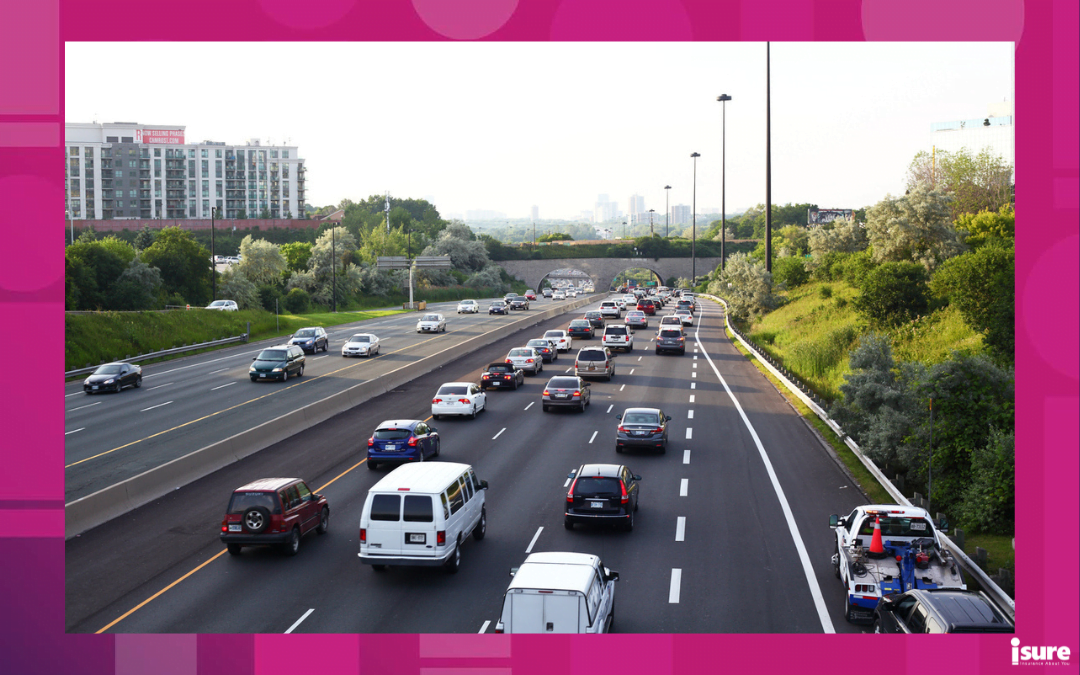
Driving laws are always being added or revised. We've got Read more

Before you hit the road, hit the brakes and ask Read more