Re-VINing a vehicle may seem like a minor change, but it is a severe form of auto fraud. It can expose buyers and sellers to safety risks, financial loss, and legal trouble. The practice often involves stolen cars, salvaged vehicles, and unsafe repairs, making it a significant concern in the used‑car market. Therefore, understanding the dangers of a vehicle that has been re-VINed can help consumers avoid costly mistakes and protect themselves from vehicle fraud.
What is a VIN (Vehicle Identification Number)?
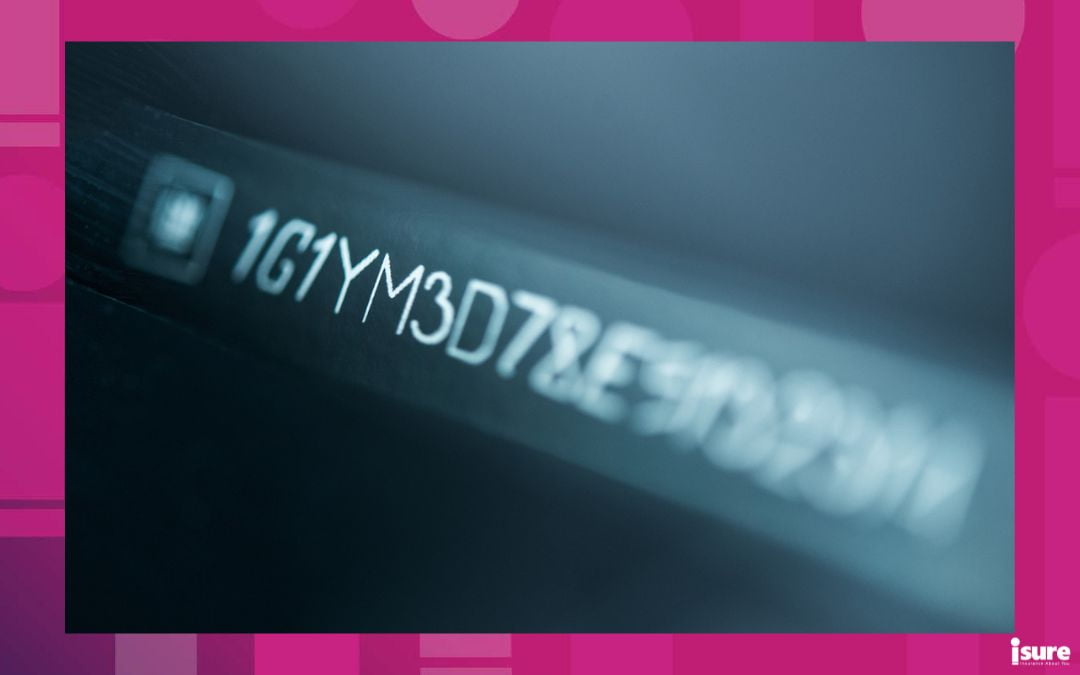
A VIN (Vehicle Identification Number) is a unique 17‑character code assigned by the manufacturer to identify each vehicle.
How Does One Re-VIN a Vehicle?
Re‑VINing occurs when someone alters, replaces, or misrepresents a Vehicle Identification Number (VIN) to conceal a vehicle’s true history. Also, it tracks a vehicle’s ownership history, accident records, recalls, insurance claims, and theft status.
Re-VINing a vehicle typically involves:
- Removing or altering the original VIN
- Replacing it with a VIN from another vehicle
- Using counterfeit or illegally transferred VIN plates.
Also, while limited VIN changes may be permitted under strict government oversight, unauthorized revinning is illegal in most jurisdictions.
Why Do People Re-VIN Vehicles?
Illegal re-VINing is typically used to conceal a vehicle’s history. Re-VINing is frequently linked to organized vehicle theft and insurance fraud. Other common reasons include:
- Disguising stolen vehicles
- Hiding salvage, flood, or total-loss histories
- Avoiding safety recalls or defect notices
- Increasing resale value by removing negative records
What Are the Legal Risks?
Tampering with a VIN is a criminal offence in many countries. Even if a buyer is unaware that the vehicle is stolen or has a changed VIN, authorities can still seize the car. So, here are some of the legal consequences someone may face:
- Criminal charges for fraud or possession of stolen property
- Vehicle seizure by law enforcement
- Fines or imprisonment
- Permanent loss of ownership rights
What are the Consequences of Re-VINing a Vehicle?
Financial Risks
Next, it can result in significant financial losses. Insurance companies rely on VINs to verify coverage and assess risk. If a vehicle is a re-VIN, here are some of the repercussions:
- Insurance policies may be cancelled or voided.
- Claims may be denied after an accident or theft.
- Financing or resale may become impossible.
In many cases, the vehicle becomes financially worthless despite appearing roadworthy.
Safety Risks
Re-VINed vehicles often have hidden safety issues. Many vehicles experienced serious collisions, floods, or fires and may not have been repaired properly. Moreover, here are some of the repercussions if the VIN does not accurately reflect the vehicle’s identity:
- Safety recalls may never reach the owner
- Structural damage may go undiscovered
- Crash protection systems may not be working optimally
What Are the Signs of a Re-VIN Vehicle?
Next, some signs indicate a vehicle’s VIN has been changed. Buyers should watch for common red flags, including:
- VINs that do not match across the vehicle and documents.
- VIN plates that appear scratched, loose, or tampered with
- Inconsistent or incomplete vehicle history reports
- Prices are well below market value
- Sellers who refuse inspections or rush the sale
Note: Any VIN discrepancy should be treated as a serious warning sign. If you suspect a used vehicle is re-VINed, stop the transaction immediately. If you already own the vehicle, notify your insurer right away and seek legal advice.
How Do You Protect Yourself from Re-VINing?
Finally, it is crucial to contact local motor vehicle authorities when in doubt. Overall, here are some tips on how to spot a re-VINed vehicle:
- Check the VIN in multiple locations on the vehicle
- Verify that the VIN matches all registration and insurance documents.
- Obtain a vehicle history report.
- Have the vehicle inspected by a qualified mechanic.
- Walk away if anything seems unclear or suspicious.
Re-VINing a Vehicle: Conclusion
Furthermore, understanding how re-VINing works and recognizing the warning signs, consumers can protect themselves from fraud and make safer, more informed vehicle purchases. So, if you have any questions about your vehicle, contact us today.
Drive with Confidence
Request your free car insurance quote now and get the coverage you deserve.


The rise in vehicle thefts across Canada since the COVID Read more
If you are in the market for a used vehicle, Read more
Recently, the Toyota RAV4 has become Canada’s most stolen vehicle, Read more