
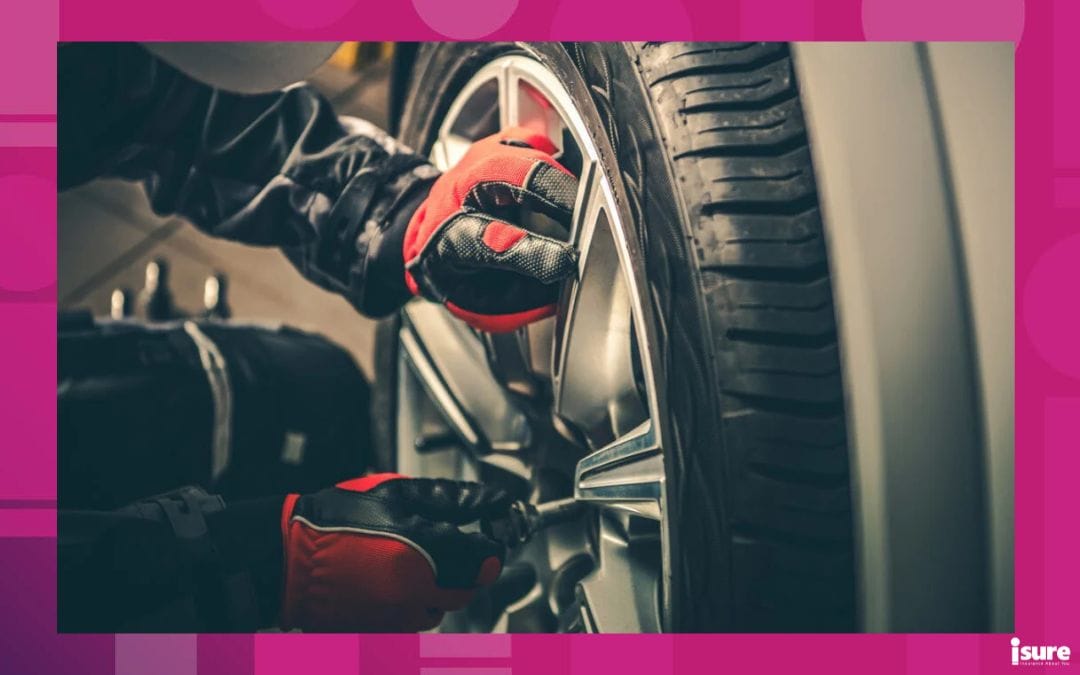
Your vehicle’s tires are one of its most critical safety features, yet they’re also among the most overlooked. Whether you’re commuting daily or only driving occasionally, tire wear and damage can impact your vehicle’s performance, fuel efficiency, and most importantly, your safety. Understanding the signs of tire deterioration and knowing when to replace your tires is essential for all drivers in Ontario and beyond.
In this guide, we’ll discuss the most important signs that it’s time to replace your car tires, how to check your tread depth at home, and why timely replacement can even affect your car insurance.
Why Tire Health Matters
Driving on worn or damaged tires increases your risk of:
- Hydroplaning on wet roads
- Longer braking distances
- Blowouts at high speeds
- Loss of control during sharp turns or emergency stops
Not only do these situations endanger you and others on the road, but they can also lead to insurance claims or liability issues if an accident occurs due to tire neglect.
How Often Should You Replace Your Car Tires?
There’s no one-size-fits-all answer because tire lifespan depends on factors like:
- Driving habits
- Climate and road conditions
- Tire type and brand
- Proper inflation and maintenance
As a general rule of thumb:
- All-season tires last three to six years
- Winter tires should be replaced every four to six seasons
- Performance tires may wear faster and need replacement sooner
You should also follow your car manufacturer’s tire replacement recommendations found in your owner’s manual.
Top Signs It’s Time to Replace Your Car Tires
Recognizing the early signs of tire wear or damage can save you money, prevent accidents, and keep your insurance premiums in check.
1. Tread Wear Is Below the Legal Limit
The tread is the part of the tire that grips the road. As it wears down, traction decreases—especially in rain or snow. In Canada, the legal minimum tread depth is 1.6 mm (2/32”), but for optimal safety, many experts recommend replacing tires when tread depth reaches 3 mm (4/32”).
Quick Tip: Use the Nickel Test
Insert a Canadian nickel into the tread with Queen Elizabeth’s crown facing downward. If you can see the top of the crown, your tread is too worn, and the tire needs replacing.
2. Bulges or Bubbles on the Sidewall
Tire bubbles or bulges typically form after impact with potholes, curbs, or road debris. These are weak spots in the sidewall where internal air pressure pushes outward.
Why it’s dangerous: A bubble means the tire’s structure is compromised, which can lead to a blowout at high speed. Replace the tire immediately if you spot a bulge.
3. Visible Cuts, Cracks, or Dry Rot
Over time, exposure to UV rays, fluctuating temperatures, and road conditions causes your tires to degrade—even if your car is rarely driven. Cracks, slits, or dry rot in the rubber can allow air to leak or even cause the tire to split.
Pro tip: Regularly inspect your tires, especially before long trips or seasonal weather changes.
4. Foreign Objects Lodged in the Tire
If a nail, screw, or shard of glass punctures your tire, don’t ignore it—even if the tire appears to be holding air. A slow leak or sudden blowout could occur while driving. Depending on the location and size of the puncture, it might be repairable. But in many cases, replacement is the safest option.
5. Vibration While Driving
Unusual vibration in the steering wheel or floorboards can be a sign of:
- Uneven tire wear
- Tire imbalance
- Internal tire damage
- Alignment issues
If the vibration persists after a tire rotation or balance, it may be time for new tires.
6. Your Tires Are More Than Six Years Old
Even if your tread looks fine, tires degrade over time. Most manufacturers recommend replacing tires after six to ten years, regardless of mileage.
You can find the tire’s manufacturing date on the sidewall, marked with the letters “DOT” followed by a four-digit code. For example, DOT 2119 means the tire was made in the 21st week of 2019.
Additional Signs You May Need to Replace Your Car Tires
- Uneven tread wear across tires – May indicate suspension or alignment issues
- Frequent loss of tire pressure – Could be a sign of valve stem or internal damage
- Poor fuel efficiency – Worn tires can increase rolling resistance
- Reduced traction in rain or snow – A clear sign of compromised tread depth
How Tire Condition Affects Your Car Insurance
While your insurer won’t typically deny coverage for worn tires alone, poor tire maintenance can contribute to accidents. If it’s found that bald or damaged tires led to a collision, your insurer could:
- Assign you greater fault
- Raise your premiums
- Deny certain claims if negligence is proven
Proactive tire care shows you’re a responsible driver, which may work in your favour when renewing your policy or applying for discounts.
Drive with Confidence
Request your free car insurance quote now and get the coverage you deserve.


Replacing Your Car Tires: Stay Safe, Stay Covered
Replacing your tires is a crucial part of responsible vehicle ownership. Don’t wait for a flat or a blowout to take action. Regularly inspect your tires and be aware of the signs of wear and damage. Your safety—and potentially your insurance record—depends on it.
If you’re unsure whether your tire condition could affect your car insurance, or if you need help understanding coverage for tire-related incidents, our isure brokers are here to help. Contact us today to review your policy or get advice on safe driving practices in Ontario.
As we brace ourselves for one of the snowiest winters Read more

Which winter tires are top-rated? How do they affect insurance? isure Read more

Would you wear flip-flops in the snow? The answer is Read more