
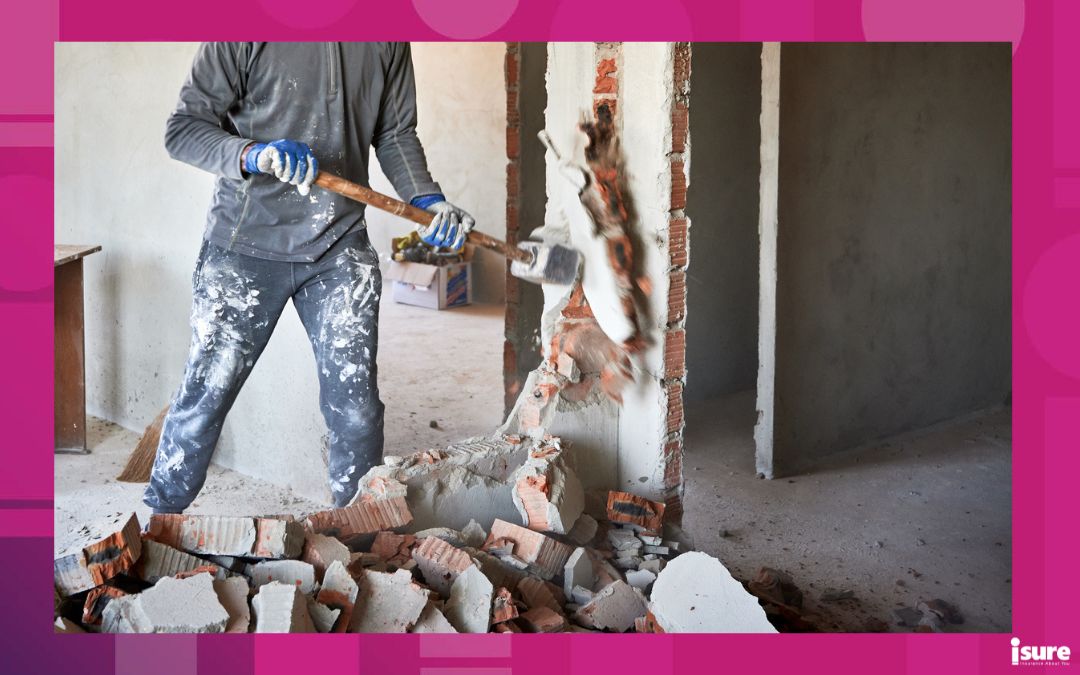
Thinking about a quick touch-up around the house? Or maybe you’ve decided to gut your kitchen or add an extension before the first snowfall. A recent survey finds that just 47% of Ontario homeowners notified their insurer after completing major home upgrades. That’s a problem. By not reporting renovations, you may be leaving yourself exposed to coverage gaps. In this article, we’ll explore the types of renovations Canadians are undertaking and why telling your insurer about renovations is crucial to protecting your home.
What Types of Renovations Are Homeowners Doing?
- 59% of homeowners tackled small DIY projects.
- 12% did both small and large renovations.
- 5% focused solely on large-scale renovations.
“Many homeowners don’t realize that upgrades like finishing a basement or adding a bathroom can affect their insurance coverage,” says Steven Harris, licensed broker and insurance expert with LowestRates.ca. “If providers aren’t informed of major changes, policies may not reflect the home’s true value or risk — leaving owners exposed when it comes time to file a claim.”
Even if your renovations increase your comfort or resale value, they also change your home’s replacement cost — what it would take to rebuild after a loss. And that’s what insurers care about.
Why Homeowners Fail to Report Renovations
1. Fear of Higher Premiums
Many worry that reporting renovations will automatically raise their premiums. It’s true that adding square footage or finishing a basement increases replacement cost — but failing to report it is far riskier.
2. Belief That Projects Are “Too Minor”
Painting or replacing flooring may not impact your policy. But finishing a basement, adding a bathroom, or remodeling a kitchen often does. Even moderate upgrades can change rebuild costs enough to affect your insurance.
3. Lack of Awareness
Some homeowners don’t realize they’re contractually required to disclose major changes. Others assume their original policy covers renovations, which isn’t always true. Failing to report can be considered a material change in risk, and in serious cases, misrepresentation.
Extra Risks With Bigger Renovations
Major renovations come with added exposures:
- Builder’s Risk Insurance: For large projects, this protects your home while under construction from fire, theft, vandalism, or even water damage.
- Liability Issues: If a contractor or helper is injured on-site, you may be liable unless coverage is in place.
- Vacancy Risks: If you move out during renovations, your policy could be voided. You may need a rider or unoccupied dwelling insurance.
- Undisclosed Changes: Adding a rental suite, for example, alters the property’s risk profile and must be reported.
Consequences of Non-Disclosure to Your Insurer or Broker
Though not telling your insurer about renovations may seem like a money-saver, the risks are significant:
- Denied claims: If your unreported basement reno floods, the claim may not be covered.
- Underinsurance: Your coverage may fall short of your home’s true value, leaving you to pay out-of-pocket.
- Policy voidance: In worst cases, insurers can cancel your policy entirely.
Why You Should Call Your Insurer Before You Renovate
There are two major reasons to notify your insurer or broker before starting a project:
1. Liability Protection
Renovations increase the risk of injury on your property. Standard homeowner policies may not provide enough coverage for accidents. Umbrella liability coverage can provide added protection.
2. Accurate Replacement Value
Renovations increase your home’s rebuild cost. Your insurer needs to adjust your coverage to reflect the new value. This ensures your investment — and your upgrades — are fully protected.
How Home Renovations Affect Your Policy
- Coverage for New Renovations: New upgrades, additions, or extensions will be protected under your policy once reported.
- Avoiding Policy Cancellation: If you’re away for over 30 days, insurers may consider the home vacant unless notified.
- Liability Considerations: Extra tradespeople on-site means more risk. Make sure coverage aligns with this reality.
A Note on the Vacant Home Tax (VHT)
If you’re renovating and your home sits empty, you might wonder if the Vacant Home Tax applies. Generally, no — repairs and renovations are exempt, provided work is being carried out “without unnecessary delay.” But it’s always smart to check with your municipality.
Telling Your Insurer About Renovations: Final Thoughts
Renovations can add comfort, value, and style to your home. But they also bring added risk and change your insurance needs. Whether it’s finishing a basement, adding a rental unit, or simply updating plumbing, failing to report major changes to your insurer can leave you exposed when it matters most.
Before you pick up that hammer, talk to your isure broker. A quick conversation can save you major headaches down the line.
Safeguard Your Home
Get a free home insurance quote today and protect what matters most.



Insurance renewal occur typically once per year. For most Canadians, Read more
Renovations are exciting! There are so many things to think Read more

Thinking of a home renovation in Toronto? Read on to Read more