

When you’ve been a driver for quite a while, it’s easy to get into certain habits, and not all good ones. However, some of these habits may be secretly damaging your car, and you might not notice until it’s too late. Yes, you can unknowingly do things to your vehicle that may lead to expensive repairs or dangerous situations on the road. These bad driving habits often go unnoticed, and many drivers don’t even realize they are doing them. Today, isure will help you avoid unnecessary damage and repairs by proactively addressing future issues.
Forgetting to Use Your Parking or Emergency Brake
There are two types of drivers: those who use their parking brakes and those who don’t know where to find them. The parking brake may seem unnecessary, but its purpose is essential. When you don’t use the parking brake, you place all of your car’s weight on a small metal piece about the size of your finger called the “parking pawl.” While durable, the parking pawl can fail over time under excessive stress. Your parking brake evens the load, taking the pressure off that one piece.
With that in mind, many drivers use the parking brake as a handrest while in motion. This is also something you want to avoid, as the weight of your hand can affect the sliders and cause wear and tear over time! Additionally, this is taught in driving school, so it’s a good habit to develop.
Letting Your Gas Tank Sit Empty
We understand, gas is expensive. Many drivers think that if they run their car near empty, the price may drop tomorrow. However, when the tank is on low, the fuel pump is exposed. The gasoline you put in your car acts as a lubricant for the fuel pump, so when there is little gas in the tank, the pump overheats. The more this happens, the greater the risk it will break down or be damaged. As such, you never want your gas levels to drop below 1/4 tank. Let’s face it, no matter how expensive gas is at any given time, you don’t want your car to stop in the middle of the road. Additionally, we promise that replacing a broken fuel pump will be much more expensive than paying a small premium at the pump.
Hard Braking and Stopping
While a sudden stop is sometimes essential to avoid a collision, you should generally try to avoid them in everyday situations. A hard stop is when you apply the brake aggressively rather than pressing it in a gradual, smooth motion. First and foremost, hard braking damages your car’s brake pads and rotors by applying excessive pressure, which can eventually lead to overheating. Secondly, performing hard stops often is a great way to wear down your tires, causing flat spots sooner. This means you have to purchase new tires more frequently, which can hurt your wallet in the long run. Additionally, it’s a hazardous maneuver on the road and can lead to an accident.
Revving a Cold Engine
When it’s the dead of winter, many unaware drivers rev their engines to warm up faster. This is definitely the wrong choice! The oil in your vehicle does not lubricate your engine nearly as well when it’s cold, and many of your car’s components are designed to operate within a specific temperature range. It may seem strange, but our vehicles are much more like the human body than we realize. Just as you warm up before a workout, it is crucial to let your car warm up before leaving your driveway. This means allowing the oil pump to circulate oil through the system, which can take 5 to 30 seconds.
Shifting from Drive to Reverse
This is a damaging habit that many people may not be aware of. However, it plays a massive part in keeping your car in good shape. You’re backing out of a parking spot and are ready to proceed out of the parking garage; so what do you do? Most drivers will switch from reverse to drive without realizing it’s the wrong action. Doing this damages your engine, transmission and drivetrain. The correct way to reverse is to back up, come to a complete stop, then shift into drive. This way, you are not putting any strain on your vehicle’s parts, which allows it to stay in tip-top shape for much longer!
Delaying Regular Car Maintenance
Your car is working perfectly fine, so you don’t need to get regular maintenance, right? At the very least, you can put it off a bit longer. We would like to suggest against this. The worst thing you can do to your car is wait until something goes wrong before you have it serviced. You can plan regular maintenance checks for your vehicle and don’t skip them. This is especially true for oil changes, which many people put off far longer than they should. The recommendation is to have an oil change every 5,000-7,000 km.
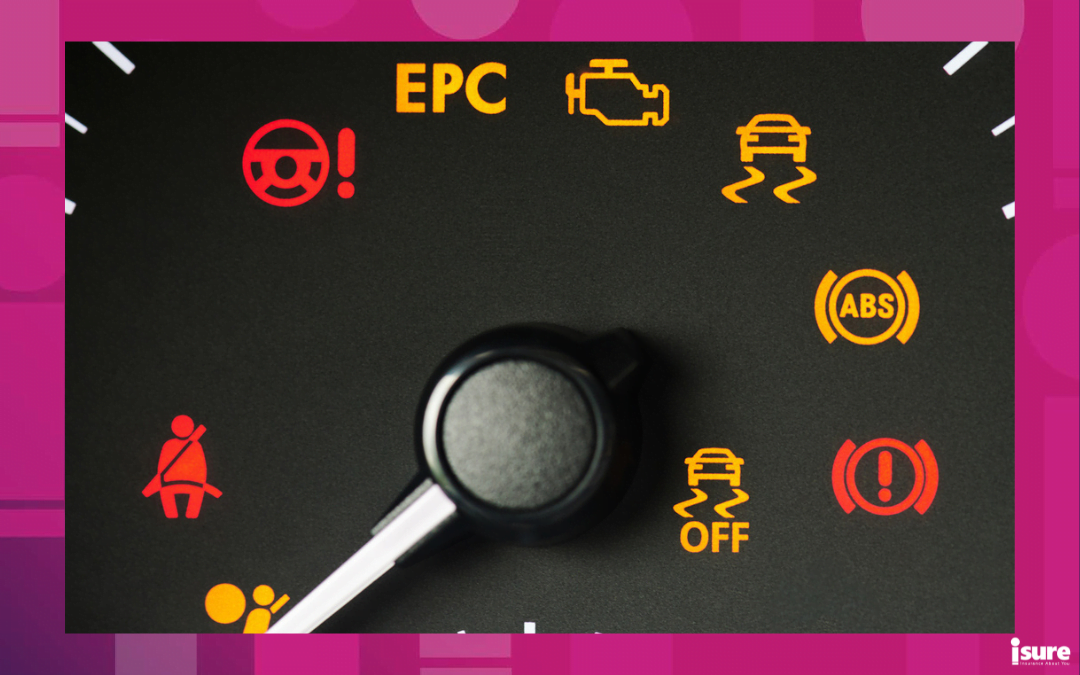
Furthermore, you’ll save yourself a ton of money in the long run by catching other damaged components before they break. Typically, a car should be serviced every 6 months. Keep an eye on your maintenance lights and kilometres. If money is your concern, we have ways to help you maintain your vehicle yourself.
Flooring Your Gas Pedal
You’re driving, and you approach a perfect stretch of road. There isn’t a car in sight, and conditions are clear. What better time is there to try out the full throttle of your vehicle! However, aside from being unsafe, doing this too often can damage your car. It places significant pressure on your vehicle’s drivetrain when performed frequently. But even worse is the damage that comes after full-throttle driving, which is a hard stop, not to mention the risks of flooring it, which can lead to a serious accident and stunt-driving charges.
Overloading Your Trunk with Extra Weight
The more you load into your vehicle, the more stress it endures. Brakes, suspension, and your drivetrain are often overstressed when you frequently use your vehicle as a hauler. Occasionally, overloading it for vacations or moving is fine, but a car performs best when kept as close to its stock weight as possible. Typically, a car’s weight capacity is about 800 pounds. When you exceed the recommended weight limit, you increase the risk of tire blowouts and place your suspension system under significant stress. Additionally, overloading can make driving more difficult by reducing your ability to make sudden stops and turn properly.
Driving with Winter Tires Year-Round
Not only does this pose a significant risk to your car, but it can also be hazardous. Keeping your winter tires on year-round is never a good idea, as they are made specifically for winter temperatures only. In summer, the grip on winter tires will disappear and wear down at an alarming rate. So much so that when used during the hot temperatures of July or August, your snow tires may actually start to melt! This will significantly reduce tread life and, in addition to being extremely dangerous, will render them unusable for the following winter. If you’d rather keep the same tires year-round, invest in all-season tires instead.
Not Slowing Down on Speed Bumps and Potholes
When you don’t slow down for a speed bump or pothole, it can do more than cause an unpleasant ride. Going full speed over these obstacles can cause excessive damage to your car. Your shocks, suspension and wheel alignment can all take a beating when you don’t slow down to avoid large bumps in the road. Additionally, you will not be covered by your insurance for these damages unless specified in your policy. Avoid costly repairs by slowing down.
Damaging Your Car: Conclusion
By keeping these tips in mind, you’ll avoid damaging your car and incurring costly repairs. If you want to save even more money on your car insurance, consider bundling your home and auto policies. Contact one of our isure brokers today!
Drive with Confidence
Request your free car insurance quote now and get the coverage you deserve.


Here are some of the most important car maintenance lights Read more
Just like you, your car needs a check-up once in Read more

Let's face it, it can be easy to get too Read more