

As spring settles in and summer approaches, Ontario homeowners are starting to turn their attention to seasonal maintenance—and one area that’s often overlooked is the driveway. After a long, harsh winter, your driveway may have sustained damage that can worsen if not addressed promptly. The good news? With time and effort, you can protect your driveway from further wear and tear and keep it looking great all season long.
Whether your driveway is asphalt, concrete, or interlock, regular upkeep is essential to prolong its lifespan, enhance curb appeal, and prevent costly repairs down the road. In this guide, we’ll explore the key driveway maintenance tips to help you protect your investment this spring and summer.
1. Inspect and Fill Cracks Immediately
Winter freeze-thaw cycles can wreak havoc on driveways, especially in Ontario where fluctuating temperatures and snowmelt are common. Small cracks that develop in colder months can quickly expand when water seeps in and freezes again.
- Inspect your driveway thoroughly for any cracks or crevices.
- Use a high-quality crack filler or asphalt patching compound to repair these areas.
- For concrete driveways, a polyurethane or latex-based crack sealant is ideal.
Even tiny cracks can become large potholes if ignored. Sealing them early not only improves the appearance of your driveway but also prevents long-term structural damage.
2. Prevent Holes Before They Start
Driveway potholes are not just unsightly—they’re also hazardous to vehicles and pedestrians. Many factors contribute to the formation of potholes, including:
- Freeze-thaw weather cycles
- Tree or shrub roots growing underneath
- Poor drainage
- Heavy vehicle loads
Prevention Tips:
- Trim or remove nearby tree roots that may disrupt the driveway surface.
- Seal the driveway every two to three years to create a moisture-resistant barrier (more on this below).
- Avoid letting water pool on the surface (more on that below).
Routine sealing and proactive landscaping can go a long way in preventing potholes from forming in the first place.
3. Protect and Reinforce Driveway Edges
The edges of your driveway are particularly vulnerable to cracking, chipping, and crumbling, especially when exposed to heavy loads or shifting soil.
- Avoid parking large trucks or construction equipment on the edge of your driveway.
- Encourage any contractors or delivery drivers to park in the center of the driveway.
- Consider installing concrete curbing or reinforced edging to support and stabilize the perimeter.
By reinforcing the sides of your driveway, you help preserve the integrity of the whole surface and prevent the spread of damage.
4. Apply a Driveway Sealant
One of the most important maintenance tasks you can do is sealing your driveway. A high-quality sealant serves as a protective layer against:
- UV damage from the sun
- Moisture and rain penetration
- Oil and gas spills
- Salt and other de-icing chemicals used in winter
For asphalt driveways, use a coal-tar or asphalt-based sealant. For concrete ones, opt for an acrylic or silane/siloxane-based sealer.
How often should you seal?
- Asphalt: Every two to three years.
- Concrete: Every three to five years, or as needed.
Sealing not only extends the lifespan of your driveway, but also enhances its appearance by restoring a rich, dark finish.
5. Clean Stains and Debris Regularly
Keeping your driveway clean isn’t just about aesthetics—it’s also about long-term preservation. Oil, grease, and debris can stain surfaces and break down the material over time.
Cleaning tips:
- Use a degreaser or dish soap and scrub with a stiff brush for oil stains.
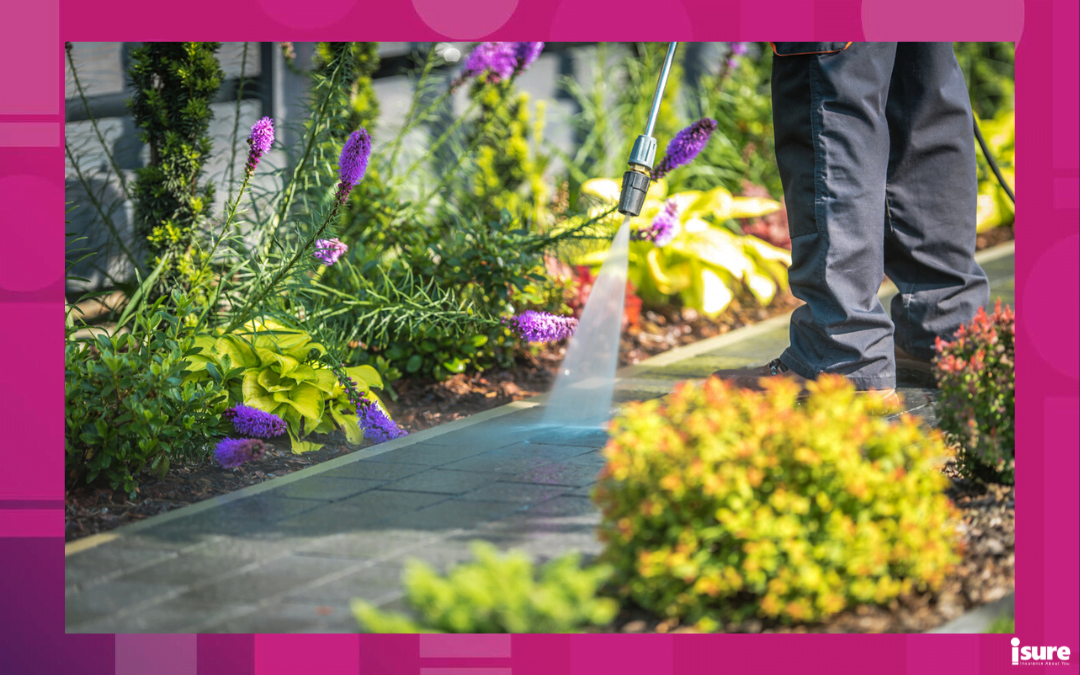
- Power wash your driveway every few months to remove buildup and grime.
- Sweep away leaves and dirt regularly to prevent mold, moss, or weed growth.
Untreated stains can lead to discolouration or weakening of the surface, so act quickly when you spot them.
6. Avoid Long-Term Heavy Loads
Your driveway is designed to support the weight of everyday vehicles—but it can struggle under the load of heavy trucks, RVs, or construction equipment.
- Avoid parking large vehicles for extended periods.
- If temporary parking is necessary, place plywood sheets or steel plates under the tires to distribute the weight evenly.
Prolonged pressure from heavy vehicles can cause sinking, cracking, and ruts—issues that are expensive to repair.
7. Watch for Water Drainage Issues
Water is one of the leading causes of driveway deterioration. When water pools on or near your driveway, it can erode the foundation and accelerate cracking.
Drainage solutions:
- Ensure downspouts and gutters direct water away from the driveway.
- Inspect for low spots or dips where puddles might form.
- Consider grading adjustments or installing a trench drain system if pooling becomes a recurring issue.
Effective drainage not only protects your driveway but also improves overall safety by preventing slick surfaces.
Bonus Tip: Consider Resurfacing or Replacing Older Driveways
If your driveway is more than 20 years old and showing widespread damage, it may be time to consider resurfacing or a full replacement. Resurfacing can be a cost-effective way to extend the life of your driveway by adding a new top layer of asphalt or concrete.
Final Thoughts on Spring and Summer Driveway Care
Spring is the perfect time to give your driveway the attention it needs. With longer days and dry weather, it’s easier to inspect, clean, and repair damage from the winter months. Taking proactive steps today can prevent major problems—and expenses—tomorrow.
Regular maintenance will keep your driveway safe, functional, and attractive for years to come. Whether you’re prepping your home for sale or just want to boost your curb appeal, don’t overlook this essential part of your property. Looking for more spring home maintenance tips? Check out our other seasonal guides and home care articles to keep your property in top shape all year long:
Enjoy the beautiful spring weather!

With the warmer weather making its announcement in Ontario, it's Read more
Hello, Spring! Here are the top items to check off Read more

Fire pits can enhance your outdoor living space, but they Read more