
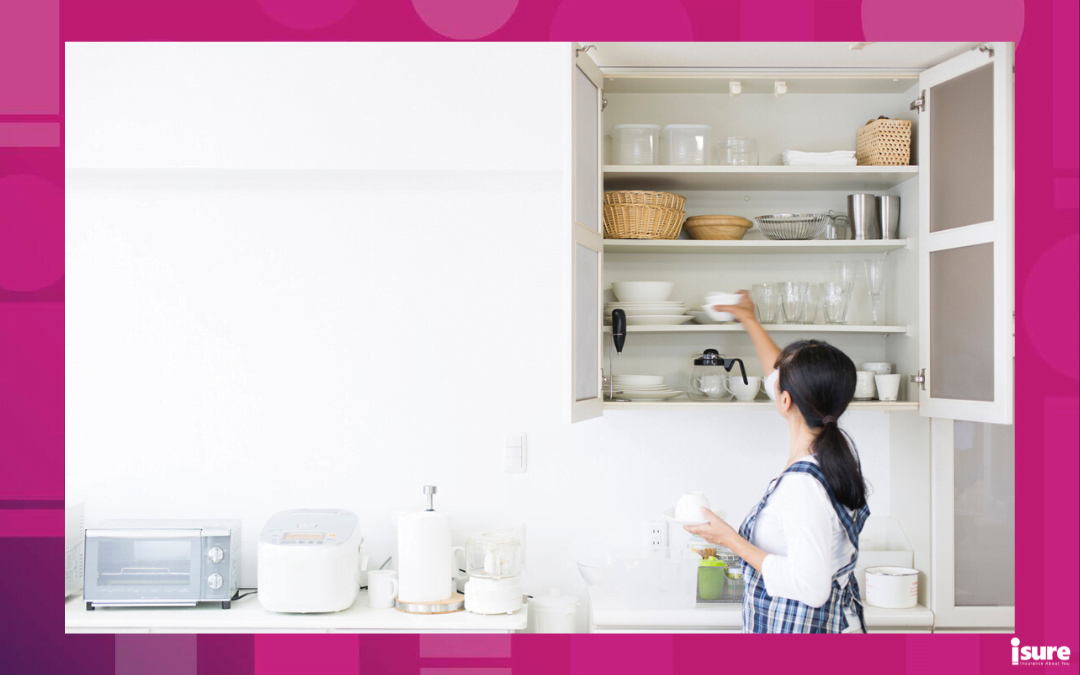
There’s a reason spring cleaning is such a popular tradition — it’s the perfect time to reset, refresh, and organize your space. As the year picks up speed, clutter can quickly pile up, leaving your home feeling chaotic, cramped, and stressful. From overflowing closets and cluttered counters to crowded storage areas, disorganization can impact both your productivity and peace of mind.
Taking the time to declutter your home and implement smart organization systems can dramatically improve your daily routine, reduce stress, and even help protect your property. Whether you’re tackling a full-home refresh or simply trying to create better habits, these practical tips will help you organize your space efficiently and maintain a clean, functional home all year long.
Stay Tidy
Now, this tip may seem a bit redundant, but getting started on your cleaning journey can be more complicated than it seems. Taking time to tidy your space can change your day and help you see what you have. It helps to put things away or clean up as soon as you are done using them. For example, if you are cooking, clean your appliances as you go along to avoid the dreaded pile of dirty dishes in your sink.
Create a Schedule to Organize Your Space
Before you think about organizing your space, create a schedule to carve out time to clean. Pick a day each week or every other week to dedicate to cleaning. Remember, to organize, you must keep up with your cleaning. Having specific dates each week to do this will help you do it. The more you spread it out, the easier it will be to upkeep.
Learn to Live With Less
One thing that will help organize your space is to get rid of things that aren’t necessary. Go through everything you have in your space and ask yourself whether you need it. This process may take some time, but decluttering your space will help you regain control and make life easier in the long run. Thrift stores or charity are both great alternatives to throwing out your leftovers. Things like clothing, shoes, accessories, holiday decorations, or even furniture can find a new home if you donate them. The items might not have a place in your space, but they might be just what someone else needs for theirs.
Categorize Piles to Organize Your Space
This next step is likely the easiest when it comes to organizing your space. Take everything you haven’t thrown out or donated and lay it out on the floor. After you’ve done this, categorize things into piles – beauty products, documents, etc. When the piles are complete, find a smart space in your room to put the different objects. If you use certain products daily, keep them near the front door so they’re there when you need them. For clothing, assign specific parts of your dresser or closet to each type, and keep all items together in the same area. This way, you don’t have to spend time looking for a specific item, because it will always be in a logical and easy-to-find spot.
If possible, go digital
Paper clutter can pile up fast, so try going digital when you can. Scanning important documents, manuals, or receipts and saving them on your computer or cloud storage can free up a lot of space. This also makes it easier to find what you need quickly without sorting through piles of paper.
De-Junk Your Junk Drawers
Even junk drawers need some love! Most of us have specific spots where we tend to ‘dump’ loose items or straws. This can be your office space, a kitchen drawer full of old batteries, or the space under your stairs. Even these spaces need to be cleared out from time to time, so make sure you don’t miss them! This tip is always helpful when organizing your space!
Use Clear or Labelled Containers
Storing items in clear bins or labelled containers can help you quickly see what you have and where it belongs, making it far easier to find and organize your things. Not only that, but putting things in clear containers helps reduce duplicate purchases and makes it easier to put them back in the right place. Plus, abels also create consistency, making it easier for everyone in the household to maintain the system.
Create specific zones within each room
Assign specific purposes to different areas of a room, such as a reading zone, work zone, or storage zone. When each area has a clear function, clutter is less likely to spread to other areas of your home. Zoning also helps you stay focused and makes rooms feel more intentional and organized.
Swap out seasonal items
In the case of clothes, your closet can easily get cluttered with seasonal items, especially in a country like Canada, where we experience all four seasons. So, try storing off-season clothing, décor, and gear in bins or storage bags and swap them out as the seasons change. This keeps your everyday space less crowded and more functional year-round. Seasonal rotation also gives you a chance to reassess what you actually use and donate items you no longer need.
Always Remember: Organization Has More Than One Definition
Please do keep this in mind – organization for one person may not look the same for the next. If having everything you own compartmentalized and put away helps to organize your space, then do that. However, if having everything laid out in the open makes you feel at ease, then go for it! Your space doesn’t have to look like it’s from an interior design magazine in order to be and feel organized.
How Organizing Your Space Can Help Protect Your Home & Insurance Coverage
Keeping your home organized doesn’t just make it look better — it can also help protect it from damage and reduce the risk of costly insurance claims. Cluttered spaces can block ventilation, create fire hazards, hide leaks, and increase the chances of slips, falls, and property damage. Proper organization allows you to easily spot early warning signs like water leaks, mould growth, pest activity, or electrical issues before they escalate into major problems.
For homeowners and renters alike, proactive organization and routine cleaning can significantly reduce the likelihood of unexpected losses. A tidy home improves air circulation, prevents overheating of electronics, keeps exits clear during emergencies, and protects valuable belongings from damage.
Why Home Organization Matters for Your Home Insurance
From an insurance perspective, maintaining an organized home can directly impact claim prevention and loss reduction. Many common claims — including water damage, fire losses, and accidental damage — often stem from neglected maintenance or clutter-related hazards. Simple habits like clearing furnace vents, keeping storage areas accessible, and organizing basements can help reduce your risk of major incidents.
At isure.ca, we believe prevention is just as important as protection. That’s why we encourage homeowners and tenants to adopt smart home organization habits alongside proper insurance coverage. When your home is clean, organized, and well maintained, you’re not only creating a healthier living environment — you’re also helping safeguard your biggest investment.
Organize Your Space: Conclusion
Staying organized is one of the simplest ways to protect your home, your belongings, and your financial security. While good habits go a long way in preventing damage, having the right home insurance ensures you’re fully protected if the unexpected happens. If you’re unsure whether your current coverage meets your needs, our licensed brokers at isure.ca are always here to help you review your policy and find better protection at a better price.
Safeguard Your Home
Get a free home insurance quote today and protect what matters most.


Ready to pull out the Christmas decor, but don't know Read more
Hello, Spring! Here are the top items to check off Read more

Take some time in March through June to do some Read more