
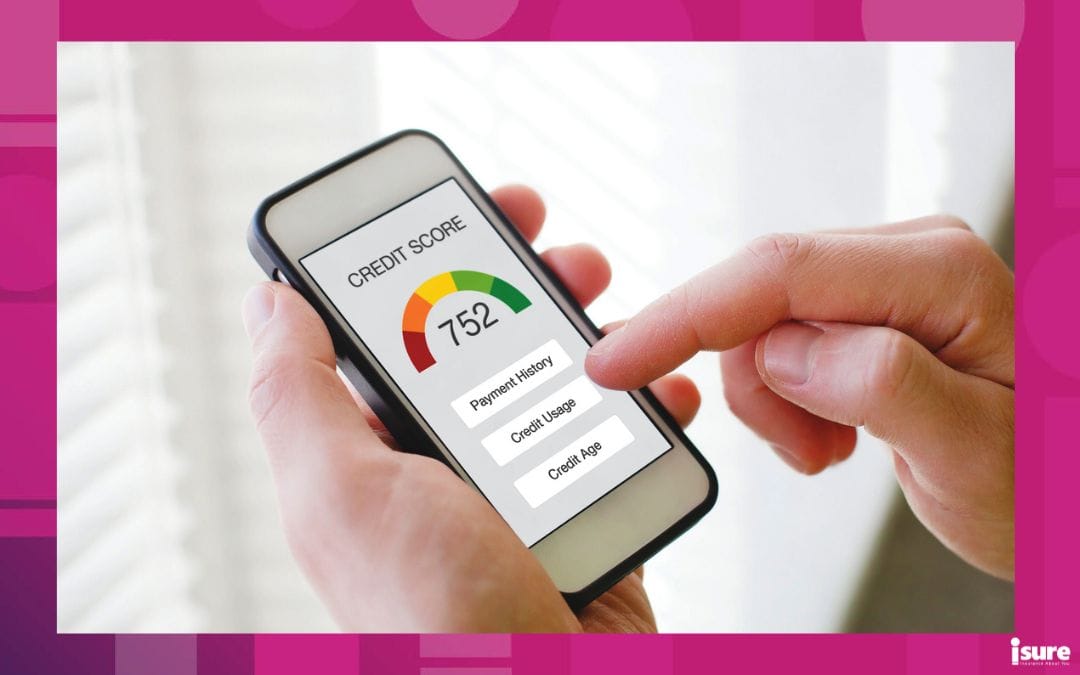
With rising interest rates designed to combat inflation, many Canadians are finding that major purchases—such as homes and vehicles—feel increasingly out of reach. While economic factors play a role, your credit score remains one of the most important tools in determining your financial opportunities.
Whether you’re recovering from bad credit or looking to boost an already strong score, understanding how credit works in Ontario is essential. In this guide, we’ll explore what a credit score is, what impacts it, and the steps you can take to improve it.
What Is a Credit Score?
A credit score is a three-digit number that represents your creditworthiness. In Canada, this score typically ranges from 300 to 900, with higher numbers indicating better credit health. Your score helps lenders determine how risky it is to lend you money for mortgages, auto loans, credit cards, or other financial products.
Credit Score Ranges in Canada
Here’s how Canadian credit scores are typically categorized:
- 800 and above – Excellent
- 720 to 799 – Very Good
- 650 to 719 – Good
- 600 to 649 – Fair
- Below 600 – Poor
According to Equifax, a good credit score is usually between 660 and 724. If your credit score is between 725 and 759, it’s likely considered very good. A credit score of 760 or above is generally considered an excellent credit score.
How Is Your Credit Score Calculated?
A good credit score is based on the three-digit number you receive from TransUnion or Equifax. Your score is calculated from the credit report, which includes:
- Payment history: Do you pay your bills on time?
- Credit utilization: How much of your available credit are you using?
- Credit history length: How long have you had active credit accounts?
- Types of credit: Do you have a mix of credit products (e.g. loans, credit cards)?
- New credit inquiries: How often are you applying for new credit?
The credit score will help a lender figure out what they can offer you in terms of loans or credit cards, and at what rate. If you have good credit, you’re most likely to get the loans you want at low rates. Your good credit shows that you pay your bills and manage your money well enough to pay back loans.
Advantages of a Good Credit Score
Here are some of the benefits you’ll get from having a good credit score:
- Greater chance of getting a lower-interest mortgage: Owning your own home with a low mortgage rate is one of the top benefits to having good credit. The lower your interest, the more money you save in the long run. Your good credit can have lenders competing for your business, so you have the luxury of shopping around for the best offer.
- Better credit cards with perks: You can benefit from getting the best credit cards available in Canada for the lowest interest rates. Some also offer perks, like free upgrades or free flights while you’re travelling. You may get to enjoy additional travel perks, such as free entry to airport lounges around the world.
- Able to rent an apartment in a competitive market: If you have a good credit score, you can easily compete to get the home you want to rent. Landlords who have accommodation in competitive markets will potentially include a soft credit check as part of their process. If you have good credit, you can beat out those people who have a lower credit score.
- Financial perks: If your credit score is really good, lenders will give you the best possible interest rates. Your good credit gives lenders the confidence to loan money to you. Things like unsecured credit loans and low-interest loans will be available to you.
- Helps you get hired: If you happen to be looking for a job in the financial world, they may ask to do a credit check on you. Employers have to be careful who has access to other people’s financial information.
How to Check Your Credit Score in Ontario
The two main credit bureaus in Canada, Equifax and TransUnion, are required to offer a free credit report to anyone who wants one, once per year. However, instead of going directly through the credit bureau, you can open an account with Borrowell (partners with Equifax Canada) or Credit Karma (partnered with TransUnion). Both companies will email your credit score and credit report to you for free every week. It’s free to sign up, and you can access your credit report within minutes of becoming a member. Be sure to take advantage of the free credit reporting, as well as the educational resources both companies offer to help you improve your credit score.
8 Proven Ways to Improve Your Credit Score in Ontario
If you have a low credit score as a result of an unexpected event or poor money management skills, all is not lost. There are a few tricks to improving your credit, and it doesn’t take long to see the improvements. Here are some steps you can take to make sure your credit is in good shape so you can be in good standing for your next big purchase or financial endeavour.
1. Limit Hard Credit Inquiries
Anytime you apply for credit, the lender’s inquiry shows on your credit report. Each inquiry lowers your credit score a little. If you’re getting a car loan, it only makes sense to make an inquiry to know where your credit stands.
2. Keep Your Credit Utilization Below 30%
If you have revolving credit (credit card or line of credit), the best advice is to pay the balance in full each month to avoid paying interest. This is especially true for high-interest credit cards. If you need to maintain a balance, try to keep it below 30% of the overall limit. Having a high balance in comparison to your credit limit can reduce your credit score.
3. Be Cautious About Applying for Credit
While a soft credit check for credit and loans doesn’t have an impact on your credit score, a hard check does. When applying for a mortgage or looking to purchase a new car from a dealership, hard checks are carried out. Applying for too much credit at one time can reduce your credit score.
4. Avoid Cancelling Credit Cards
Part of the money management difficulties usually stems from the misuse of credit cards. The debt that you accumulate may be unnerving, and your first response might be to cancel the card to take away the temptation. This is the last thing you want to do because it’s connected to your credit history, and cancelling a credit card can negatively impact your credit. Keep it out of your wallet in a safe place, like a safety deposit box, and only use it if necessary.
5. Pay Off Unpaid Collection Items
No lender will approve you for credit with an unpaid collection item displaying on your report. If you do have one, this should be your top priority when it comes to restoring your credit. Too many people have their credit ruined because they didn’t pay a small balance owed.
6. Start Building Credit If You Have None
Having no credit at all can be as detrimental as having bad credit. You won’t be approved for a mortgage without having established some credit on your report. The longer your credit history goes back, the better. You should have at least a couple of credit products, like a credit card or small car loan, showing on your credit report for at least a couple of years.
7. Always Pay Bills on Time
Pay everything on time, whether it’s your cell phone bill, credit card, rent or loans. Even if you’re disputing a bill, make the payment on time. You can keep on top of your bills by adding reminders on your phone.
8. Use a Guaranteed or Secured Credit Card
If your credit isn’t up to this level quite yet, it’s in your power to change this. You can use a guaranteed credit card. A guaranteed credit card is not a prepaid credit card. Rather, it’s an option that provides access to credit and a great way to build or repair your credit score. It’s a great tool to learn how to properly manage your credit.
Does Checking My Own Credit Score Affect It?
No—checking your own credit score is considered a soft inquiry, which does not affect your score. Typically, you can do this through your bank (or bank app) with no penalty. Only hard inquiries—made when applying for new credit—can impact your credit score.
FAQs About Credit Scores in Ontario
Q: What is a good credit score to get a mortgage in Ontario?
A: Most lenders look for a score of at least 680 for prime rates, but some alternative lenders may approve scores as low as 600.
Q: Can newcomers to Canada build credit quickly?
A: Yes. Opening a secured credit card, paying bills on time, and using products like Borrowell can help new residents establish credit.
Q: How long does it take to improve a poor credit score?
A: With consistent habits, you may see improvement in three to six months, though significant changes may take a year or more.
Final Thoughts: Take Control of Your Financial Future
Whether you’re just starting to build credit or looking to rebuild from a poor rating, improving your credit score is within reach. With patience, consistency, and smart financial habits, you can unlock better loan terms, lower interest rates, and greater financial freedom.
And remember—when you’re ready to make your next big move, whether it’s buying a car or shopping for home insurance, isure is here to help. Speak to one of our licensed brokers or request a home insurance quote today to explore competitive insurance options tailored to your needs.
Getting approved for a mortgage these days can be a Read more

When you apply for a mortgage, auto loan, or credit Read more

Figuring out the difference between a mortgage and your home Read more