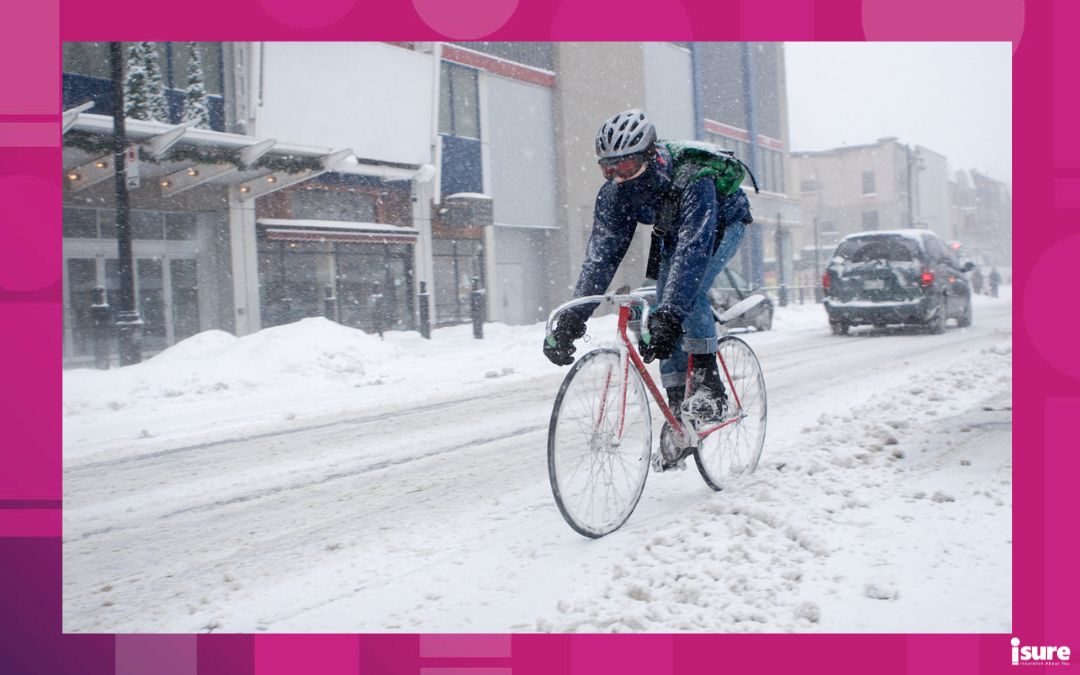
Let’s face it, when winter arrives, items such as your bicycle tend to be stored away for the season. With this, bikers tend to go into hibernation. However, did you know that with the proper preparation and mindset, riding your bike in the winter can be just as rewarding, if not more? If you commute via bicycle during the warmer months, you’ll know just how nice a bike ride can be, and even in the winter, trading a commute by car for a commute on your bike can be rewarding.
When you bike to work, you not only steer clear of annoying traffic, but you’ll get your heart rate up and burn a serious amount of calories. You’ll also arrive at work energized and ready to take on the day before it has even begun! Even if commuting isn’t your thing, bike paths and trails that are packed in the summer are transformed and crowd-free in the wintertime. So, before you pack your bike away for the season, let’s take a look at everything you need to know when it comes to winter biking.
How To Begin Winter Biking
Like biking any time of the year, safety is key. However, when it comes to winter biking, there are a few more things to consider before you begin pedalling. For starters, it’s essential to ensure that you are always comfortable when riding your bike. If you aren’t prepared to walk as far as you plan to ride, you may want to hold off. This is because if your bike breaks down, you should be prepared to handle it. If it is too cold or you think there is too much snow, hold off and wait until another day.
A good technique for winter biking is to avoid overexertion. Start slow, and over time, you will build confidence. If you overextend too soon, you may end up disappointed. Some strategies to help become comfortable in the winter include only riding part of your commute. For example, take transit or drive to a certain point, then do the rest on your bike. Alternatively, only pick specific days of the week you plan to bike.
Winterize Your Bike
You may believe a new bike is necessary for winter biking; however, any bike you ride in other seasons can easily be adapted for winter riding! When biking in the winter, ice and grime will build up more quickly on your bike’s drivetrain, and your suspension system can become sluggish. Bikes with fewer gears and shocks work better when it comes to winter riding.
Regardless of the type of bike you have, it can easily be set up for winter conditions. Lighting and tires are the most important considerations, and we will get to those! On top of this, you should add fenders to shield against tire-sprayed snow and water. Make sure you also add an insulated water bottle to your bottle cage and fill it with a warm beverage. This way, you can warm up on your ride!
Checking and Adjusting Your Tire Pressure
When inflating your tires in the winter, you should keep them on the lower end of their pressure range. On the sidewall of your tire, there will be a list of acceptable pressures. This will differ depending on the bike or tires you have. When you ride on tires pumped up to the low ends of their range, you’ll put more tire surface in contact with the road, thus improving traction. This will also absorb bumps, helping you maintain control of your bicycle if you hit a rough patch or pothole.
When biking in the winter, many people forget that cold temperatures will reduce their tires’ air pressure. On top of this, tires generally lose small amounts of pressure over time. When biking in the cold, or any season for that matter, it’s essential to get into the habit of checking and adjusting your tire pressure before you hit the road.
Being Seen While Winter Biking
If there’s one thing we know about winter, it is that there is much less daylight available. With this in mind, you must prepare to ride in total darkness. This means bright lights and a massive amount of reflective gear. If your bike’s lights are battery-powered, make sure to have them fully charged before any ride. Alternatively, carry a few spares in your bag if your lights are non-rechargeable. Make sure to get the brightest lights you can afford, especially in the front. Just so you know, one light on your bike won’t be good enough; however, that’s okay. It is essential to make sure you have a light on both your bike’s front and rear. The brightest should be on your handlebars, while a flashing safety light should be placed on either the back of your bike or your helmet.
Making sure you’re seen while biking goes beyond just lights. It is also essential to make sure you are equipped with the proper reflective clothing. Most clothes made for biking will have a reflective trim. If you don’t have any, it is smart to invest in a reflective vest or bands to wear over your clothing.
How to Dress Properly For Winter Biking
Like any winter activity, staying warm is critical not only to your comfort but also to your safety. Finding the correct temperature can sometimes prove difficult, as you’ll warm up while you bike. This is why layering and bringing extra pieces of clothing is important. Let’s take a look at some of the most crucial pieces of clothing for winter biking.
Headware
A cycling cap or beanie that fits comfortably under your helmet will add a surprising amount of warmth. For more severe, colder days, a face mask may be required. Some helmets can be used for more than one activity and will feature interchangeable liners to adjust their warmth.
Gloves
Bike gloves, or any gloves for that matter, can help keep your hands dry and warm in the winter. Remember that your gloves should be warm but still allow you to have complete control of your bike and brakes.
Footwear
If you wear boots while biking, make sure they aren’t too big and that you can still retain control over your bicycle. Alternatively, you can add wind or waterproof shoe covers to enhance your regular cycling shoes or boots. Remember, having treaded soles in winter is vital for providing traction whenever you need to get off your bike and walk.
Hand and foot warmers
Air-activated warmers that slip into your gloves or boots can be a lifesaver on those super cold days. They won’t heat up instantaneously, so make sure you break them out of their sealed packaging a few minutes before you arrive!
Winter Biking Tactics
When biking in the summer, staying to the far right of the road is usually your best bet. However, when snow plows plow the road, the curb area is usually where the snow resides. Additionally, it can be more difficult for drivers to spot you in the dark. Let’s take a look at some tips and tactics for biking in the winter.
Keep To The Middle Of The Right-Hand Lane
Riding in the middle of the right-hand lane will make you more visible and deter drivers from trying to squeeze by as they pass. Instead, they’re apt to move a full lane to the left. You’ll also be making sure your bike stays away from roadside debris and snow. This can usually be filled with dangerous materials such as broken glass and other garbage.
Remain Relaxed
Remember to follow the rules of the road and avoid locking your knees and elbows. This can make it harder to react quickly or smoothly. Instead, use your legs to absorb motion created when running over snowy ridges or other road rubble. Always stay alert and ready to steer around any ice or debris that tends to form during the winter.
If you are commuting daily, please keep an eye out for areas that are melted with snow. This is because it will freeze overnight and likely become a hazard. If you find yourself biking over a slippery surface, try to coast across without braking or steering.
Winter Biking: Conclusion
When done safely and correctly, biking during the winter months can be both rewarding and exciting. It is crucial, however, not to overextend; instead, take your bike to work if the weather permits. Remember, if you’re in the market for car insurance, don’t hesitate to reach out to us at isure!
Drive with Confidence
Request your free car insurance quote now and get the coverage you deserve.


As we prepare to take our bicycles out of storage Read more
Whether you’re a seasoned cyclist or purchasing your very first Read more

If you are looking to grab your bike and hit Read more