
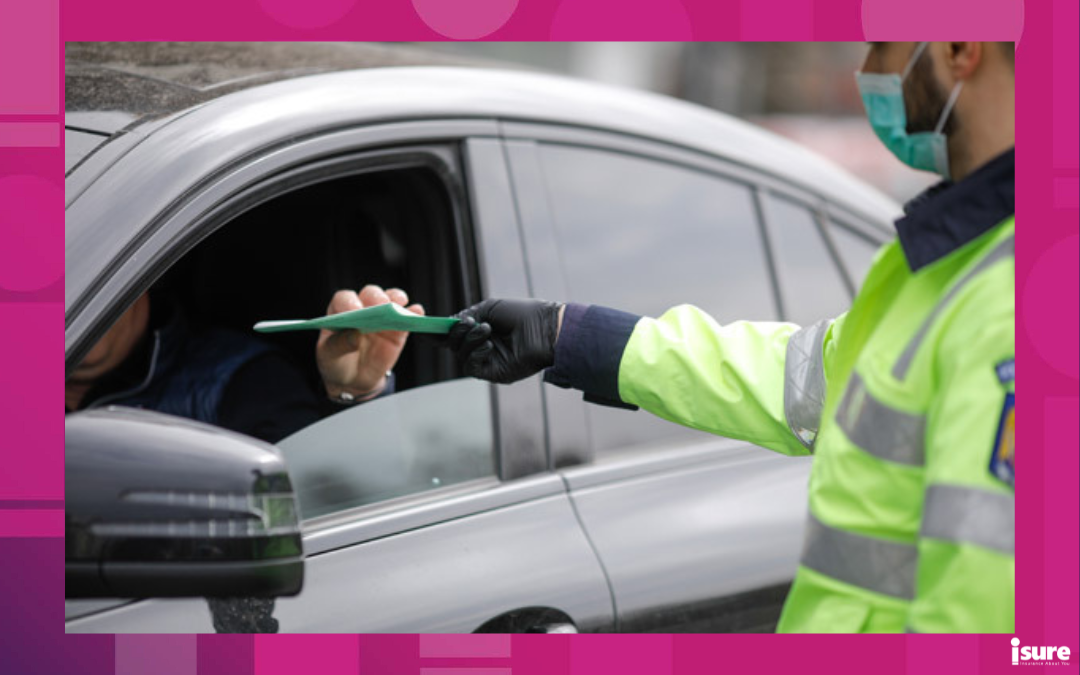
Speeding tickets are one of the most common driving convictions in Ontario, and they can affect far more than just your wallet. Depending on the severity of the ticket and your driving history, a speeding conviction can increase your insurance premiums, impact your driving record, and even push you into the high-risk insurance category. Many Ontario drivers assume that one small speeding ticket won’t matter. Sometimes that’s true, but not always. Insurance companies evaluate speeding convictions differently, and even a minor ticket can affect your rates if you already have previous convictions or claims on your record. If you’ve recently received a speeding ticket in Ontario, here’s what you need to know about how it may affect your auto insurance in 2026.
Does a Speeding Ticket Raise Insurance in Ontario?
Yes. A speeding ticket can increase your Ontario auto insurance premiums, especially if you have multiple convictions within three years. Minor speeding tickets may result in small increases or no increase at all. In contrast, major convictions, such as stunt driving or excessive speeding, can significantly raise rates or result in a high-risk insurance classification. Insurance companies usually see speeding convictions once you pay the ticket. Alternatively, if you are convicted in court or you plead guilty to the offence, then the conviction appears on your driving abstract, which insurers review during renewals and underwriting.
Speeding Tickets & Insurance in Ontario: At a Glance
- Speeding tickets may stay on your insurance record for 3 years
- Major speeding convictions may lead to high-risk insurance
- Camera speeding tickets usually do not affect insurance
- Different insurers treat speeding convictions differently
- Fighting or reducing a ticket may help reduce insurance impacts
Drive with Confidence
Request your free car insurance quote now and get the coverage you deserve.


How Do Speeding Tickets Affect Insurance in Ontario?
Your driving record is one of the biggest factors insurers use to assess risk. Drivers with clean records generally pay lower premiums because they are statistically less likely to file claims. Under Ontario insurance guidelines, one minor conviction may not automatically increase your rates. However, insurers still have flexibility in how they rate drivers, and some companies may apply surcharges even after a single ticket. Tickets hurt your ability to access cheap auto insurance in Ontario. If you want to see your driver’s record, you can order one online.
For example, a minor speeding ticket may have little or no impact on your premiums, but multiple minor convictions often increase your premiums. Major convictions can dramatically increase premiums – criminal driving offences may lead to policy cancellation or high-risk insurance.
How Much Does a Speeding Ticket Increase Insurance in Ontario?
The amount your insurance increases depends on
- The severity of the conviction
- Your previous driving history
- Your age and experience
- Your insurer’s underwriting rules, and
- Whether you already have claims or convictions
Estimated Insurance Impact by Conviction Type
| Conviction Type: Possible | e Insurance Impact |
|---|---|
| One minor speeding ticket | Little or no increase possible |
| Multiple minor tickets | Moderate increase |
| Distracted driving conviction | Significant increase |
| Major speeding/stunt driving | Major increase |
| DUI or criminal conviction | High-risk insurance likely |
Examples of Conviction Categories
1. Minor convictions may include: Speeding less than 50km/h over the limit, failing to signal and improper lane changes.
Some insurers may increase premiums by approximately 10%–25% after multiple minor convictions.
2. Major convictions may include: Distracted driving, excessive speeding or careless driving, as well as speeding in a construction zone.
These convictions can cause significantly larger premium increases.
3. Criminal driving offences may include: stunt driving, racing, and impaired driving. Failing to remain at the scene is also considered a criminal offence and carries similar penalties.
These can lead to extremely high premiums, policy non-renewal, or high-risk insurance placement.
First Speeding Ticket in Ontario: What Happens?
In Ontario, a first speeding ticket typically results in a fine of 0 to 4+ demerit points (if 16+ km/hr over) and a potential 5-10% increase in insurance premiums. The conviction stays on your record for 3 years, and the fine is based on the number of kilometres over the limit. For many Ontario drivers, a first speeding ticket may not drastically affect insurance rates — especially if you have a clean driving history, the speed was relatively minor or if you have no recent claims. If your insurer offers conviction forgiveness, you would also be exempt from serious penalties. However, there are no guarantees. Some insurers may still apply a surcharge after one conviction.
Real-Life Example: A driver convicted of travelling 15 km/h over the speed limit with an otherwise clean driving record may see little or no increase in insurance. However, if the same driver receives a second conviction within three years, their insurer may classify them as a higher-risk driver and increase premiums substantially at renewal.
Ontario Speeding Fine Examples
According to Ontario court guidelines:
| Speed Over Limit: Typical | l Fine |
|---|---|
| 1–19 km/h over | Approximately $2.50 per km |
| 20–29 km/h over | Approximately $3.75 per km |
| 30–49 km/h over | Approximately $6.00 per km |
| 50+ km/h over | Court-determined penalties |
How Long Does a Speeding Ticket Affect Insurance in Ontario?
In Ontario, speeding convictions typically remain on your insurance record for three years from the conviction date — not the date you received the ticket. This means the clock usually begins when you decide to either pay the ticket, plead guilty to the offence, or are convicted in court. Insurance companies generally learn about tickets after a conviction appears on your driving abstract. During this period, insurers may apply premium increases. Multiple convictions may affect eligibility for preferred rates.
Important Note: Dismissed tickets generally do not appear as convictions.
Should You Fight a Speeding Ticket?
If you believe that the speeding ticket you were issued was wrong, you should fight the ticket. If you have been issued a ticket, you should inform your insurance company. Most people who decide to fight a speeding ticket and win do so because of legal technicalities. The police officer who issues you the speeding ticket must prove who, what, when, where, and how the ticket was issued. Knowing the law in-depth is what helps fight a speeding ticket.
Important Note: Insurance companies care more about the final conviction than the original charge. Reducing a major charge to a minor conviction may help reduce insurance impacts.
Do Camera Speeding Tickets Affect Insurance?
Usually, no. Automated speed camera tickets in Ontario generally do not affect insurance premiums because they are issued to the vehicle owner rather than tied directly to a driver’s driving record. Therefore, no demerit points are assigned; the conviction usually does not appear on your driving abstract, and your insurer generally will not treat it as a moving violation. However, the fines will still need to be paid.
What Is a High-Risk Driver?
Too many speeding tickets or one major conviction can get your insurance cancelled. You may also need specialized insurance as a high-risk driver. Whether this happens to you will depend on your provider and its rules about the number of convictions it accepts. Many Canadian drivers underestimate the insurance repercussions of speeding tickets. Reports show that 27% of traffic fatalities on roads are the direct result of speeding, yet many continue to drive well beyond the speed limit.
High-risk drivers often face:
- substantially higher premiums
- fewer insurer options
- stricter payment requirements
- mandatory upfront payments
How Many Tickets Make You High-Risk?
There is no universal rule because insurers evaluate risk differently. However, offences such as major convictions, multiple convictions, major speeding convictions, distracted driving and licence suspensions can all contribute to high-risk classification.
Get a Second Chance at Insurance
Get a High-Risk Driver Auto Insurance Quote Today!

How Many Demerit Points Do Speeding Tickets Add Up To?
Ontario’s Ministry of Transportation uses demerit points to monitor driving behaviour.
Ontario Speeding Demerit Points
| Speed Over Limit Demerit | t Points |
|---|---|
| 16–29 km/h over | 3 points |
| 30–49 km/h over | 4 points |
| 50+ km/h over | 6 points |
Important: Demerit Points vs Insurance
Demerit points themselves do not directly increase insurance premiums. Instead, insurers focus primarily on the conviction itself and the severity of the offence. Any prior convictions also contribute to higher rates.
Demerit points do not directly impact your car insurance rates in Ontario – but tickets do. If you acquire too many demerit points, the Ministry can suspend your licence. If your licence is suspended, your insurance company is not obligated to provide you with coverage.
Can You Pay a Speeding Ticket Online?
Yes. Most Ontario municipalities now allow online payment for speeding tickets through sites like paytickets.ca or court-specific websites. (Check Ticket Lookup for more info). Additionally, drivers can check the status of their tickets online, request early resolution meetings and access court information digitally. Alternatively, drivers may also settle their tickets via:
- Phone – All courts offer the ability to pay your fine over the phone. This generally requires a credit card.
- Mail – There are instructions on the ticket for payment by mail. This usually involves sending a cheque by regular mail. Be sure to check that the court receives it to avoid further issues or possible licence suspension.
- In-person – You can physically attend the court that the ticket is linked to and pay your ticket during normal business hours.
What Happens If You Lose Your Speeding Ticket?
If you lose your speeding ticket in Ontario, you can usually retrieve the details online. You can also contact the local court office, where staff can often locate the ticket using your driver’s licence information. If you’re unable to access the ticket before your court date, it’s best to attend in person, as the court will have your ticket on file and can provide it to you there.
Ignoring a lost ticket can eventually lead to additional fines, licence suspension and collection activity.
Speeding Tickets and Insurance: Common Questions
Does one speeding ticket affect insurance in Ontario?
Sometimes. One minor speeding ticket may have little impact, but some insurers may still increase rates depending on your overall driving profile.
How long do speeding tickets stay on insurance?
Most speeding convictions affect insurance for approximately three years from the conviction date.
Does fighting a ticket help insurance rates?
Potentially yes. Reducing or dismissing a conviction may help avoid premium increases.
Do photo radar tickets affect insurance?
Usually no. Automated speed camera tickets generally do not affect insurance because they are issued to the vehicle owner rather than assigned directly to a driver’s abstract.
Bundle All of Your Policies for Maximum Savings!
Speak with an isure broker to find out how.
Need Insurance After a Speeding Ticket?
At isure, we compare quotes from multiple Ontario insurance companies to help drivers find affordable coverage, even after speeding convictions or other driving infractions. Whether you’ve received your first ticket or require high-risk auto insurance, comparing rates from multiple insurers may help you find better coverage options and pricing in 2026. Before requesting a quote, we recommend using the Online Ticket Lookup tool to check your ticket status and explore available payment options.
With over eight million drivers on the road, we are Read more

Want to know more about school zone signs and speed Read more

Need car insurance? Let’s take a look at the cost Read more