

Next time you are idling at a red light, take a look around you. You may notice more ‘green vehicles’ on the road. With so many automakers promising emission-free transportation, it’s not too difficult to see that electric vehicles, or EVs, are here to stay. With more and more electric vehicles on the road every day, it is no wonder many are considering making one their next big purchase. Will an electric vehicle be your next car? Let’s fuel the debate surrounding the purchase of an electric vehicle by examining the pros and cons of going green.
Electric vs. Hybrid cars
Put, “green” cars are more environmentally friendly and energy-efficient. Electric cars are likely the greenest cars on the market, as they run solely on electricity instead of gasoline. Due to not using gas, electric vehicles produce much lower greenhouse gas emissions. Because of this, they are a much better choice for those wanting to do their part in helping the environment.
This is the case for the entire lifecycle of an electric vehicle. From the resources used to manufacture it to the point where it is scrapped, the whole life cycle of an electric vehicle is environmentally friendly. This is predominantly true during the manufacturing stage, where the most significant environmental impact generally occurs with cars.
Alternatively, Hybrid cars are the next best thing when it comes to being eco-friendly. This is because it uses both an internal combustion engine and an electric battery. A hybrid vehicle uses the combustion engine to start the car and switches to battery power when cruising conditions are ideal. Of course, an electric vehicle will be the greenest option; however, a hybrid is still a good alternative to a conventional car.
Pros of owning an electric vehicle
Along with their environmental benefits, green vehicles have a lot of benefits to offer motorists:
1. Cost of the charge
A key advantage of green, eco cars is the reduction of fuel costs. With electricity and gas prices as they are today, EVs are ¼ of the cost to drive compared to a gas car. Typical EV drivers save $1,000 to $2,000 per year on fuel. What does that look like for you? On average, a typical EV battery will cost less than $530 per year, or about $1.45 per day, while a comparable gasoline-fueled car can cost about $2,500 per year to fuel. That’s up to eight times more money spent each day!
2. More convenient
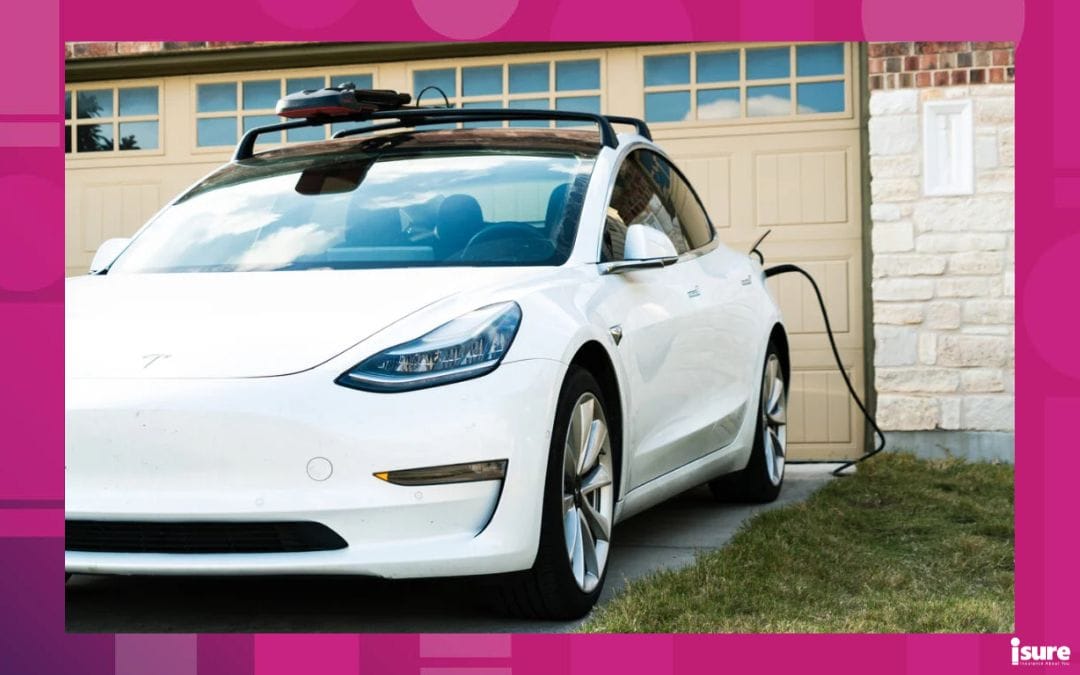
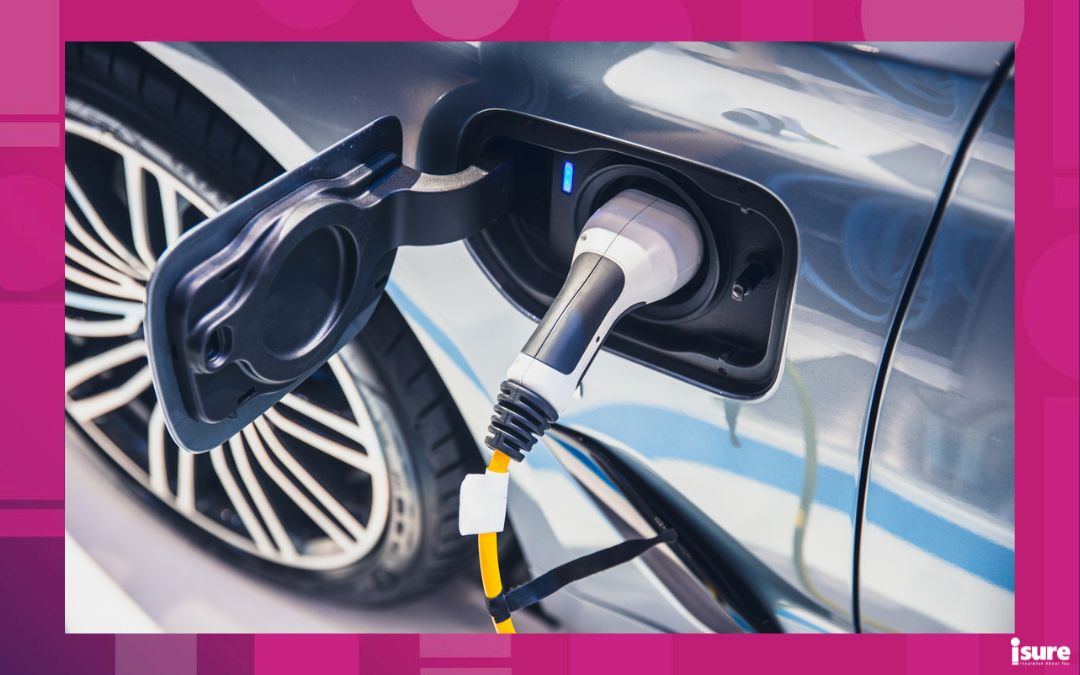
An electric vehicle is easy to recharge, and the best part is you will no longer need to run to the gas station to recharge your car before hitting the road! Even a standard household socket can be used for charging an electric car (check out our article on how to charge your vehicle at home!) Installation of home charging stations can add to the convenience of powering up. In addition, some SMART chargers offer a range of features, including the ability to view your charging data, remotely start charging through an app on your smartphone, and more.
3. Lower maintenance costs
Electric motors have one moving part and do not require oil changes, coolant flushes, mufflers, or exhaust systems, saving you hundreds of dollars per year on maintenance. Compared to gas-powered cars, EVs are more efficient in urban environments. EV engines are more efficient at converting energy into movement, especially from a standing start. Regenerative braking uses the engine to slow the car and charge the battery. A battery replacement may be expensive, but warranties typically run five to eight years. Because of regenerative braking (where the motor slows to reclaim energy), brakes can last up to 300,000 kilometres.
4. Insurance discounts
Electric cars produce low or no emissions on the road if charged from a renewable source. Pollutants created by burning fuel, on the other hand, contribute to air pollution and climate change. Most of Canada’s electricity comes from hydroelectric and nuclear sources, both of which are low-emitting energy sources. The average Canadian driver can reduce their car’s greenhouse gas emissions by up to 90%.
5. Distance covered by the charge
New, fully-electric cars can typically travel at least 200 kilometres on a single charge. Some plug-in hybrid electric vehicles can travel 40-80 kilometres on an electric charge, with an additional 500-900 kilometres of fuel range. So, if you choose an all-electric vehicle (AEV) or a hybrid vehicle, you won’t have to worry about making it home during the daily commute. Similar to
Important note: EVs do not run out of charge unexpectedly. Like gas-powered vehicles, you will receive a warning on your dashboard display indicating your charge level. On road trips, there are numerous public charging stations, known as DC-Quick chargers, along highways and major roadways that can fully charge your battery from empty to full in 30-45 minutes.
6. Safe to drive
Electric cars undergo the same fitness and testing procedures as other fuel-powered cars. However, there are some added benefits. Electric vehicles have a lower center of gravity, which makes them more stable on the road in the event of a collision. If an accident does occur, the airbags will deploy, and the electricity supply to the battery will be cut off. This can prevent you and other passengers in the car from serious injuries, as well as reduce the likelihood of an explosion in the absence of any combustible fuel or gas.
7. Reduced noise pollution
Electric cars reduce noise pollution as they are significantly quieter. Electric motors are capable of providing a smooth drive with higher acceleration over longer distances. Let’s face it, we’ve all been woken up by that loud vehicle driving down our street at night. With an electric vehicle, you don’t have to worry about disturbing anyone when driving at night.
8. Great commuter cars
Most Canadians drive 50 km or less per day, which is especially true if you live and work in busy urban centers. This is well within the range of every single electric car on the market. EVs also handle traffic jams more efficiently, as the electric motor doesn’t draw energy from the battery. Gas engines, however, continually burn fuel and money throughout their operation.
Cons of owning an electric vehicle
1. Charging up
One of the biggest concerns when buying electric cars is what’s commonly referred to as “range anxiety,” a.k.a. the fear of your electric battery running out and leaving you stranded. However, with the increase in available charging stations, home chargers, and improvements in battery ranges, those anxieties are lessening. Fully recharging the battery pack with a Level One or Level Two charger can take up to eight hours, and even fast-charging stations require 30 minutes to charge to 80% capacity. Ultimately, electric car drivers must plan their trips more carefully. For some, this can be an added hassle.
2. Initial investment
As EVs are very new, you may be surprised when you take a look at the sticker price for one. Even the more affordable brands can be around $30,000 to $40,000. If you’re looking for a luxury option, you may be paying $80,000 or more. Though technology is advancing and the price of producing electric cars continues to drop, you still have to pay $10,000 to $50,000 more for an EV than for a gas-powered vehicle.
3. Electricity isn’t free
Unfortunately, charging your vehicle isn’t free. Electric cars will affect your energy bill if you’re not considering the options carefully. If you haven’t done your research into the electric vehicle you want to purchase and the types of available home chargers, then your investment may be more costly. It is essential to determine in advance the type of vehicle and charging station that best suits your budget and home.
4. Shorter driving range & speed
An EV is great for a downtown commute, but not so great for a quick trip up to cottage country. AEVs, on average, have a shorter range than gas-powered cars. Most models range between 90 and 190 km per charge, while some luxury models can reach ranges of up to 480 km per charge. This may be an issue when considering AEVs if you frequently take long trips, as the availability of charging stations can make them less suitable for activities like road trips.
5. Silence isn’t always great
Silence can be a disadvantage, as people often prefer to hear a car’s noise when it is approaching from behind them. An electric vehicle is generally silent, but it may still lead to accidents in some cases. However, if you are constantly aware of your surroundings when on the road, this shouldn’t necessarily be an issue for you.
6. Battery replacement
Depending on the type and usage of the battery, batteries in almost all electric cars are required to be replaced every three to 10 years. Not following the charging instructions for your battery may also reduce the battery’s lifespan. Similar to a laptop or phone, some models of electric vehicles can have their batteries damaged by overcharging and neglect.
7. Government support
Ontario’s decision to axe electric-car rebates leaves British Columbia and Quebec as the only provinces where buyers benefit from added incentives to buy electric- and hydrogen-fueled vehicles. Sales of electric cars in Canada’s most populous province may be affected when you consider you still have to pay $10,000 to $50,000 more for an EV than for a gas-powered car.
EV purchase incentives
Home
According to the Ministry of Transportation, nearly 80% of EV charging sessions happen at home. Choosing to equip your home with an electric vehicle charging station is a crucial step in maximizing the savings and benefits that EVs have to offer.
While currently there are no grants for residential charging stations in Toronto, the Home Energy Loan Program (HELP) assists residents who want to improve the energy efficiency of their homes to save money. Toronto homeowners can get a low-interest loan of up to $75,000 to cover the cost of home energy improvements. Home EV charging stations (Level Two) would qualify under this program.
Car
In Ontario, Plug n’ Drive offers two incentives for EV owners:
- Up to $1000 is provided towards purchasing a used fully-electric car by the Used EV Incentive Program. The vehicle must be registered and insured in Ontario, used for personal purposes, and have a resale sticker price of $50,000 CDN or less before taxes.
- Up to $1000 is offered towards the purchase of a used fully-electric or plug-in hybrid electric car when you scrap your old gas-powered car via the Scrappage Incentive Program. Recycle your old gas car and replace it with a used electric vehicle to receive $1,000 off your purchase.
How popular are EVs these days?
Currently, 31% of Canadians express an interest in purchasing an electric vehicle. Out of this 31%, 37% are men and 25% are women. This is split between those with plans to buy one soon, versus those who see owning an electric vehicle as a more distant possibility.
- Within 5 years: 17% of Canadians are interested in purchasing an EV within the next five years.
- Beyond 5 years: 14% are interested in purchasing an EV, but not within the next five years.
On the other hand, almost half of Canadians are not interested in purchasing an electric vehicle anytime soon, with 49% being disinterested. On that note, 32% of Canadians report having no plans to buy an electric vehicle whatsoever.
According to Irma Im, a senior industrial analyst at RSM Canada, the growth rate of EVs has slowed down.
“By the end of 2024, zero-emission vehicles made up roughly 15% of new vehicle registrations in Canada,” I stated. “While that’s still a notable year-over-year increase, the adoption growth rate has plateaued.
Tips to save on your EV and insurance
You may wonder whether car insurance costs are lower for an all-electric or hybrid vehicle. Many automakers are transitioning to producing electric vehicles in greater numbers in the coming years, including General Motors, Honda, Audi, and Ford.
Electric car and hybrid owners may be eligible for discounts of up to 10% on car insurance. Insurance providers appreciate these cars as low-risk since they tend to be safer and less likely to break down. However, be aware of other factors that can increase insurance costs for electric cars, such as a higher purchase price or more expensive replacement parts. It is essential to remember that your insurance company determines your premiums by considering several factors when calculating your rate. These factors include gender, driving background, location, car model, and whether it’s a personal or business vehicle.
- Install an anti-theft device
- Used electric vehicles cost less to purchase and are often more affordable to insure
- Increase your policy deductible to lower your premiums
- Some electric vehicles are more expensive to insure than others, which is why we recommend checking reviews online
- Ensure a professional electrician installs your vehicle’s home charging station, as your home insurance rates will stay lower if any electrical work has been done by a professional
- Bundling home and car insurance can help lower your bottom line on premiums
The future of electric cars
Since 2017, the number of EV models has been steadily increasing, with over 590 different models available worldwide by the end of 2023. It is projected that by 2028, there will be over 1,000 different models available worldwide.
The number of customers looking to insure an EV is rising, which is having a ripple effect on auto carriers due to the increased cost of insuring these vehicles. As of March 2021, there has been a 146% increase in the number of car insurance quotes for electric vehicles (over 700 quotes) compared to March 2020. This makes the future of electric car ownership more than likely for many Canadians.
Meanwhile, according to a February 2021 KPMG survey, seven in 10 Canadians who intend to buy a new car in the next five years are leaning toward purchasing an all-electric vehicle or hybrid. With consumers increasingly demanding cars with lower emissions, manufacturers are racing to produce EVs that meet legislated emissions mandates and customers’ performance expectations.
How much does the average EV cost in Canada?
Due to the current economic climate, affordability plays a significant role in determining whether people purchase EVs. With the high cost of capital and manufacturers under cost pressures, the gap between EVs and classic combustion engine vehicles remains a significant concern.
With this being said, it is worth noting that while EVs may seem pricey, their costs have decreased. According to Statistics Canada, a report released in April 2025 indicated that an increase in supply and a decrease in demand have resulted in lower price tags for electric vehicles.
The report specifically highlighted that, as of December 2024, new EV prices had dropped 7.8% from the previous year, averaging $70,682 in December 2024. On the other hand, used EVs saw a significant decline of 18.4%, averaging only $42,025.
Choose the EV that fits your needs
If you are considering an electric vehicle, be sure to assess your lifestyle needs and crunch the numbers carefully. Not quite ready to go all-electric? Hybrid cars offer the eco-friendly benefits of an electric vehicle, along with the conveniences (such as the abundance of gas stations) of a gas-powered car. No matter which choice best suits your needs, one thing is sure: the future of electric vehicles is bright! Certain insurance companies are offering discounts or special deals for eco-friendly vehicle drivers. Like any vehicle, having the right insurance is key. Are you in the market for new car insurance? If so, why not check out isure? We offer some of the best prices on premiums, along with customer service that is always available when you need it. Contact us or request a quote today!
Charging your electric vehicle (EV) at home in Ontario is Read more
Looking to switch to an electric or hybrid car in Read more