When hosting at home, it can lead to more enjoyable (and memorable) family dinners and fun parties. However, with the hustle and bustle of hosting, it can sometimes result in unintentional errors, one of which is the creation of fire hazards. Whether you find yourself in the kitchen more often or are lighting your fireplace for warmth, keep these fire safety tips in mind.
1. Identify and Eliminate Common Fire Hazards in Your Home
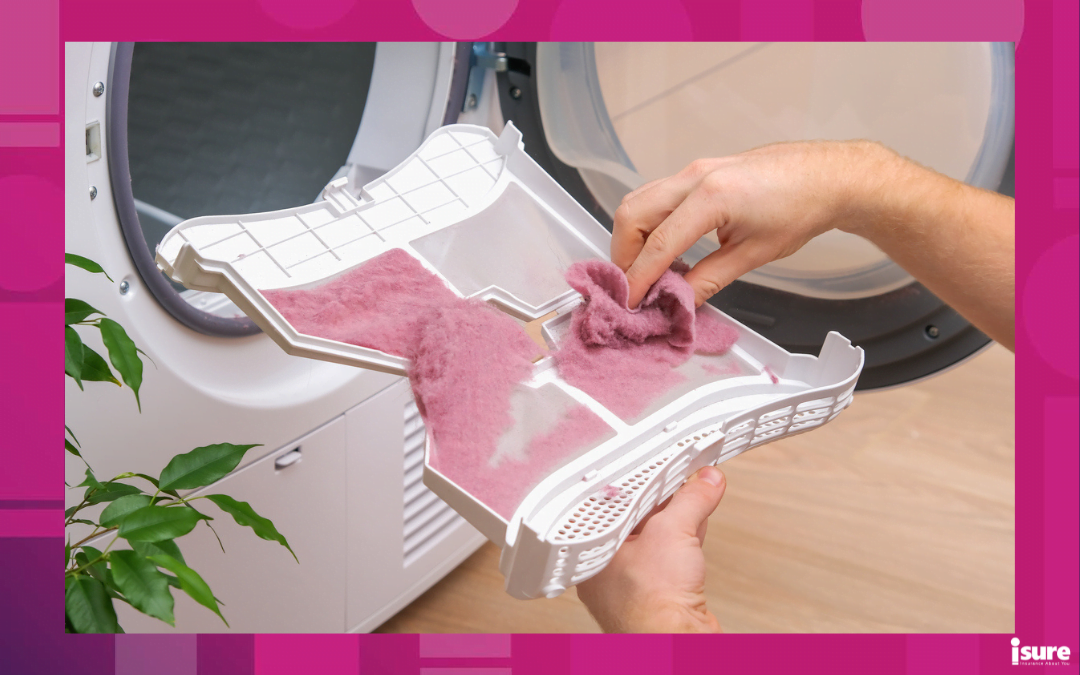
As we spend more time indoors during the colder months, take the opportunity to ensure your home is safe and protected from potential dangers. Fire hazards can be found in multiple places, not just in the kitchen, so ensure you are reviewing carefully. For example, electrical cords can start a fire if they are frayed or damaged, and dryers can pose a hazard if the lint trap is left unemptied. Check all smoke alarms and carbon monoxide detectors in the home before hosting. If any of these issues seem problematic, take action accordingly. Reach out to the product manufacturer or Toronto Fire Services if you have further concerns.
2. Create a Home Fire Escape Plan for Your Family
Depending on your living situation, there may be plans in place for a fire. If you live in an apartment or condo building, make sure to review all protocols for residents. Organize an escape plan in your household. Decide on a meeting place where you will go if need be. If you have young children, explain the importance of fire safety, so all members of the household are clear on expectations in the event of a fire.
3. Practice Safe Cooking: Fire Prevention Tips for the Kitchen
Ensure to limit distractions while in the kitchen. Make sure your pot handles are positioned in a way that they can’t be accidentally knocked over. Additionally, set timers for your recipes to avoid overcooking or burning your meal. Pay extra attention to temperatures and flames when frying as an added precautionary measure. If your older kids enjoy baking or cooking, ensure they understand how the kitchen appliances work, as well as the necessary fire safety measures you have in place. However, always ensure there is supervision, and encourage them to limit distractions, such as tablets or cell phones. Have a fire extinguisher handy, as well as baking soda or a fire blanket nearby!
4. Test and Maintain Your Smoke and Carbon Monoxide Detectors
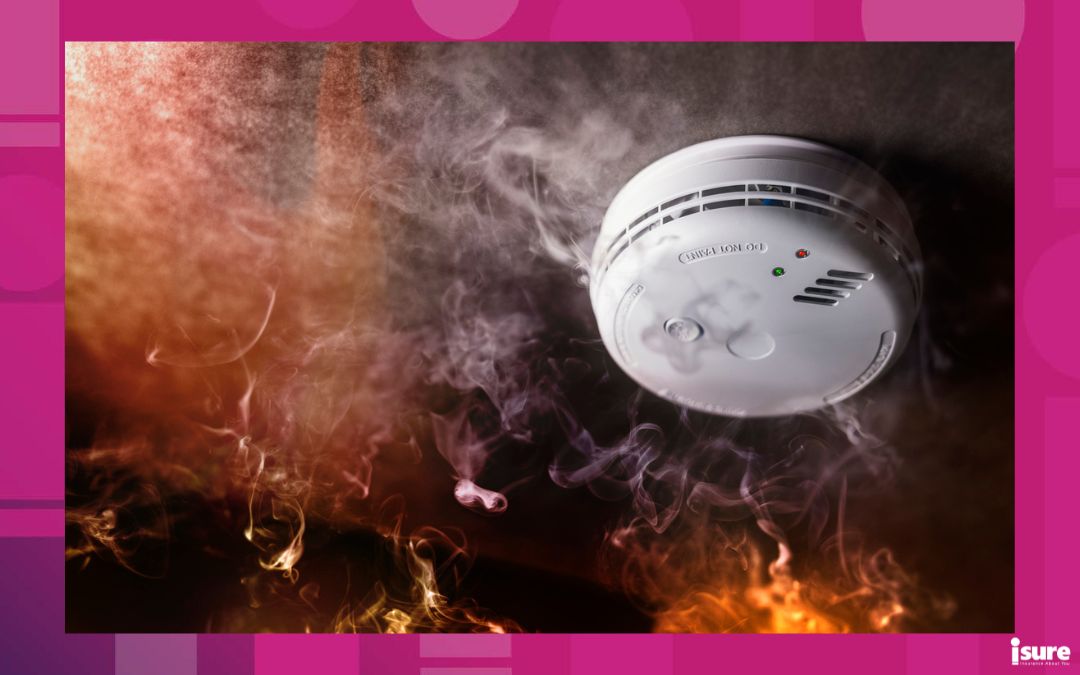
Fire alarms and smoke detectors are not only excellent protection for your family, but they can also save you money on your home insurance. Check with your isure broker regarding what type of alarms qualify. It’s important to replace the batteries in your smoke detector every six months. Also, remember to test your smoke detector monthly. If you’re looking for a new smoke detector, check out this one from First Alert!
5. Be Sure to Follow Candle Safety When in Use
Candles can be a great way to relax or set the mood. However, when it comes to fire safety tips, you should never leave them burning for too long or unattended. Make sure to blow them out when leaving a room, especially when going to sleep. Also, it is recommended that you cut the wicks short once the candle has cooled to avoid high flames, and always use sturdy candle holders. Keep them away from other objects, especially flammable ones, to be extra cautious. If you have children or pets, keep all candles, matches, and lighters away from reach.
6. What to Do During a House Fire: Emergency Response Steps
In a scenario where an actual fire emergency occurs, your number one priority is to get yourself and your loved ones out of the burning building. If there is excessive smoke, get as close to the ground as possible and quickly crawl out. Call 911 as soon as you have escaped the building, and wait at a safe distance for help to arrive.
Through practicing these fire safety tips, you can ensure you and your loved ones are secure and safe in your home.
7. Keep a Fire Extinguisher at Home: Where and Why You Need One
To keep everyone in your home safe, it’s a good idea to purchase a fire extinguisher. The chance of a fire in your home is never impossible, so it’s always important to be prepared. They are typically inexpensive, as well. Keep it somewhere fires are more likely to occur, such as in your kitchen or pantry. Check out this option from Canadian Tire!
TIP: In a pinch, baking soda can put out a small grease fire. Putting the pot lid on a small fire can also cut off oxygen, stopping it from growing. NEVER USE WATER ON A GREASE FIRE!
➢ Smart Home Devices That Can Improve Fire Safety
Modern smart home technology can help prevent fires and alert you to danger faster than traditional devices. Consider upgrading your fire safety gear with:
- Smart smoke and CO detectors that send alerts to your phone
- Automatic stove shut-off devices that prevent cooking fires
- Smart plugs and power strips that cut power to overheating devices
- Motion-sensing night lights to prevent accidents in the dark
Many of these devices also integrate with home security systems and may qualify for discounts on your home insurance. Investing in smart fire prevention tools is a small cost that can pay off in significant ways, both in terms of safety and savings.
8. Safe Charging Practices for Phones and Electronics
Finally, it’s important to charge your laptop and phone on a nightstand or table to prevent fires from starting. This is the easiest way to prevent fires caused by an overheated phone while charging. After all, you won’t be able to call the fire department if your phone is on fire!
9. Review and Update Your Home Insurance for Fire Protection
Make sure your home insurance policy is up-to-date, including having adequate coverage limits. You don’t want to learn that after a fire claim, you didn’t have the right coverage, and your claim is denied. An isure home insurance broker will be able to review your home insurance policy to ensure that you have more than adequate coverage.
10. Protect Pets from Fire Hazards in Your Home
Pets can be curious, especially around open flames! By fire-proofing your home, you can keep your pets safe from harm. Make sure your pets can’t reach knobs on the stove and are kept away from open flames. It would be best to keep any lit candles out of your pet’s reach, as their tails can easily knock them over. Alternatively, switch to an electric candle that uses a lightbulb instead. Having a window decal on your front door or window will also alert people to the presence of pets in the home in case of an emergency. This is important for firefighters to know during their rescue operations.
11. Install Fire-Safe Heating Devices in Winter
During the colder months, it’s common to rely on space heaters, fireplaces, or wood stoves for extra warmth. However, these heating sources can become serious fire hazards if not used properly. Always follow the manufacturer’s instructions and avoid using extension cords with space heaters. Keep flammable materials, such as blankets, curtains, and paper products, at least three feet away from heat sources. If you use a fireplace, ensure the chimney is cleaned annually and the flue is open before lighting the fire.
12. Childproof Your Home Against Fire Risks
If you have young children at home, it’s essential to take extra precautions to childproof your space against fire hazards. Keep matches, lighters, and candles in locked drawers or out of reach to prevent accidents. Use outlet covers to prevent tampering with electrical sockets. Consider using safety gates to block access to kitchens, fireplaces, or space heaters to prevent accidents. Additionally, store cords and appliances away when not in use to avoid accidental burns or overheating. Teaching your kids about fire safety early on can also help build good habits!
We hope these fire safety tips help alleviate your worries and fears. If you need to make a fire-related claim, contact one of our isure brokers today.
House fires are one of the most devastating risks to Read more

The month of December teems with many types of holiday Read more
Preparing for that big spring clean? Scheduling regular dryer inspections Read more