
Many home renovations can increase your insurance premiums, but did you know that specific upgrades can actually help you reduce your home insurance rates? By investing in safety, energy efficiency, and durable materials, you not only improve the comfort and value of your home but also make it less risky to insure. Below are proven home improvements—from structural upgrades to smart-home devices—that can reduce your insurance costs in Ontario.
1. Install an Electric or Gas Furnace
Modern electric and gas furnaces have a much lower fire risk than oil furnaces or wood stoves and produce consistent, even heat. Lower perceived fire hazards often translate into discounts on your home insurance premium.
Bonus tip: Look for ENERGY STAR–rated models to qualify for insurance and utility rebates.
2. Replace Outdated Electrical Systems
Knob-and-tube wiring, aluminum systems, and 60-amp panels are common in older homes, but they are prone to overheating and short-circuits. A full rewire with copper conductors and a 100—or 200-amp breaker panel demonstrates professional risk mitigation and earns insurer credits.
Bonus tip: Have a licensed electrician provide a full electrical safety inspection report—some insurers offer an extra discount when documentation is filed.
3. Upgrade Your Plumbing
Lead or galvanized steel pipes corrode and can burst, leading to costly water damage claims. Modern PEX or copper piping reduces leak risk. Fewer leaks and ruptures equal fewer claims—insurers reward this with lower premiums.
Bonus tip: Install an automatic water-shutoff valve or leak detection system at your main line to qualify for additional savings.
4. Replace or Reinforce Your Roof
Harsh Canadian winters and summer storms degrade shingles and underlayment over time. It is important to inspect your roof once a year for any damage. A new roof or impact-resistant materials (like Class 4 shingles) offer superior protection. Upgrading to wind- and hail-resistant roofing can reduce your rates by up to 15–20%.
Bonus tip: Schedule a professional roof inspection annually (especially post-winter) and submit the report to your insurer.
5. Install a Comprehensive Security System
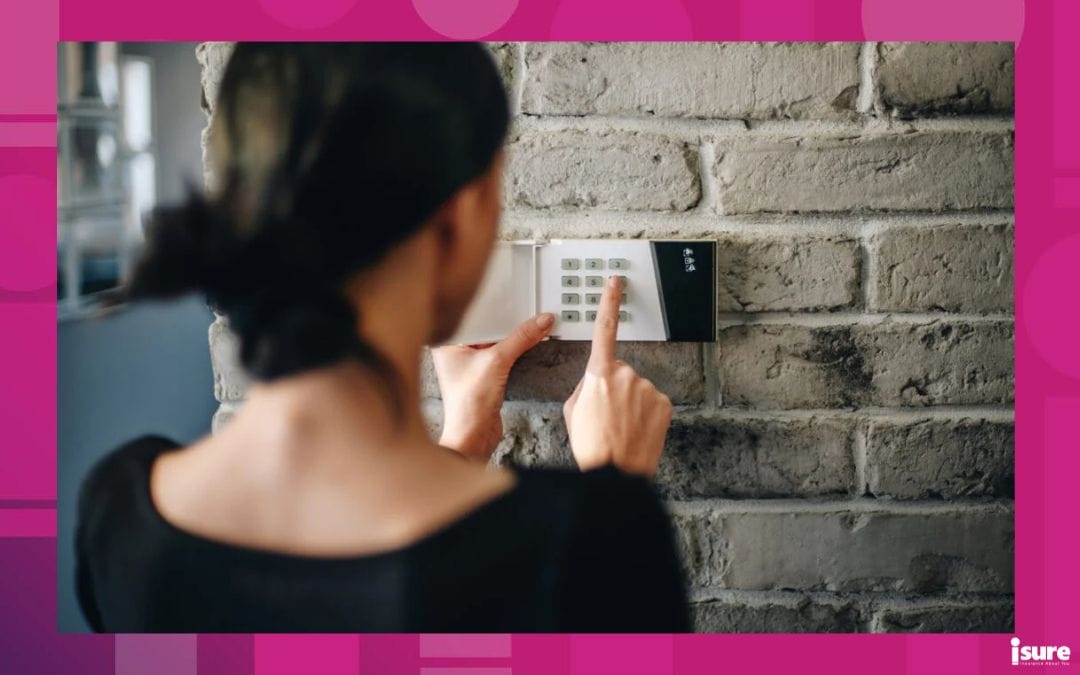
Monitored burglar alarms, exterior cameras, and motion-activated lights are proven deterrents against break-ins. Most insurers provide a 5–15% premium credit for professionally monitored systems.
Bonus tip: Choose a system with central station monitoring and ensure you keep your account in good standing to maintain discounts.
6. Add Smart-Home Safety Devices
Smart smoke alarms, carbon monoxide detectors, and water-leak sensors alert you (and your service provider) to emergencies in real time—minimizing damage. Insurers often bundle discounts for multiple smart-home safety installations.
Bonus tip: Opt for devices with cellular backup—insurance companies favour systems that work even if the power or Wi-Fi goes down.
7. Waterproof Your Basement
Cracks, poor grading, or missing sump pumps can lead to flooding and mold growth. Interior waterproofing coatings, external weeping tiles, and battery-backed sump pumps dramatically cut water intrusion. A dry, mold-free basement reduces claims for water damage and mold remediation, lowering your rates.
Bonus tip: Keep inspection reports and receipts handy to show your insurer that professional waterproofing was completed.
8. Upgrade Windows and Doors
Impact-resistant windows, double- or triple-pane glazing, and reinforced entry doors increase security and energy efficiency. Enhanced resistance to break-ins and storm damage often yields multi-percent discounts.
Bonus tip: Consider windows with a laminated inner pane for additional hurricane and intrusion protection.
9. Install a Sprinkler or Fire Suppression System
Automatic fire sprinklers can suppress or even extinguish a fire before it spreads, limiting property damage. Some insurers offer significant credits—up to 25%—for homes equipped with a full or partial sprinkler system.
Bonus tip: If a full system is cost-prohibitive, look into standalone suppression units for kitchens and furnace rooms.
10. Maintain and Upgrade Your Exterior Drainage
Clogged gutters, missing downspouts, and poor grading lead to foundation issues and basement flooding. Properly installed and maintained drainage systems reduce water-related claims, which insurers reward with lower premiums.
Bonus tip: Add gutter guards and regularly clear debris; document maintenance to maximize your insurer savings.

Wondering what impacts your home insurance premium in Ontario? From Read more

Buying a home? Renovating? Renting? We've got all the answers Read more

Looking to save money? Read our valuable tips on how Read more