
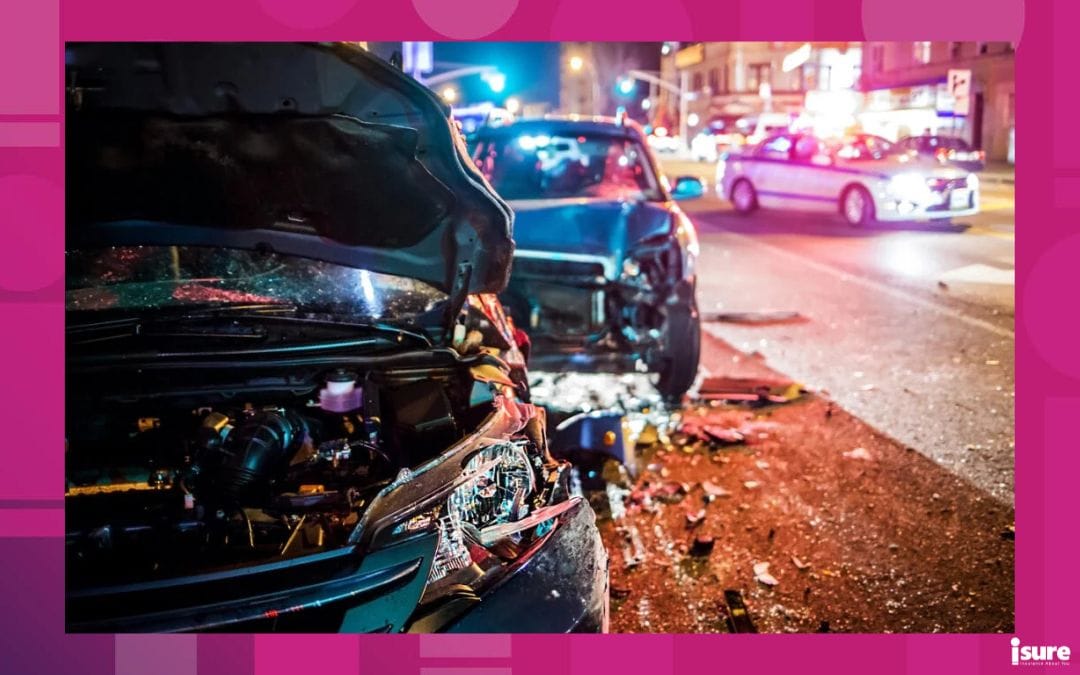
An involvement in a hit-and-run accident is maddening. In many cases, there are no witnesses to corroborate your story or to offer information. The at-fault party gets away with the crime, and you may be stuck paying the deductible on your policy. Here are our six steps to handling a hit-and-run accident. Additionally, we examine how this incident may impact your insurance.
What is a Hit-and-Run Accident?
A hit-and-run accident, also known as a “fail to remain” accident, is a collision where the at-fault driver fails to stop and provide assistance or take responsibility. Hit-and-run accidents can take many forms. This may include bumping into a car while parallel parking, rear-ending a vehicle or a fence while backing up, or, more seriously, hitting a pedestrian or cyclist and failing to stop. Drivers who do not stop after colliding with another vehicle, person, or stationary object are involved in a hit-and-run case. Regardless of the damage, the driver is required, by law, to stop.
Two Types of Hit-and-Run Accidents
There are two types of charges for a hit-and-run accident in Ontario. They will fall under either the Highway Traffic Act or the Criminal Code of Canada, depending on the circumstances:
- When a driver does not stop at the collision scene, it is a criminal charge under the Criminal Code. Such cases mostly involve cyclists or pedestrians, and the severity of the damage is also very high. This sometimes results in death.
- When someone faces charges under the Highway Traffic Act for failing to remain at the scene of an accident, it’s treated as a traffic citation. This is most common when someone hits a car in a parking lot or collides with another driver and just drives away.
Steps to Reporting a Hit and Run Accident
Before concerning yourself with your vehicle or the other driver, it is most important to check if anyone suffers injuries in the accident and needs medical assistance. If the collision results in an injury, call 911 immediately.
1. Collect Vehicle Information
Note down the date and location of the collision. This includes the at-fault vehicle’s make, model, colour, license plate number, and description of the driver, if possible.
2. Seek Medical Attention
Be sure to call for an ambulance if you or your passengers have suffered injuries that warrant it.
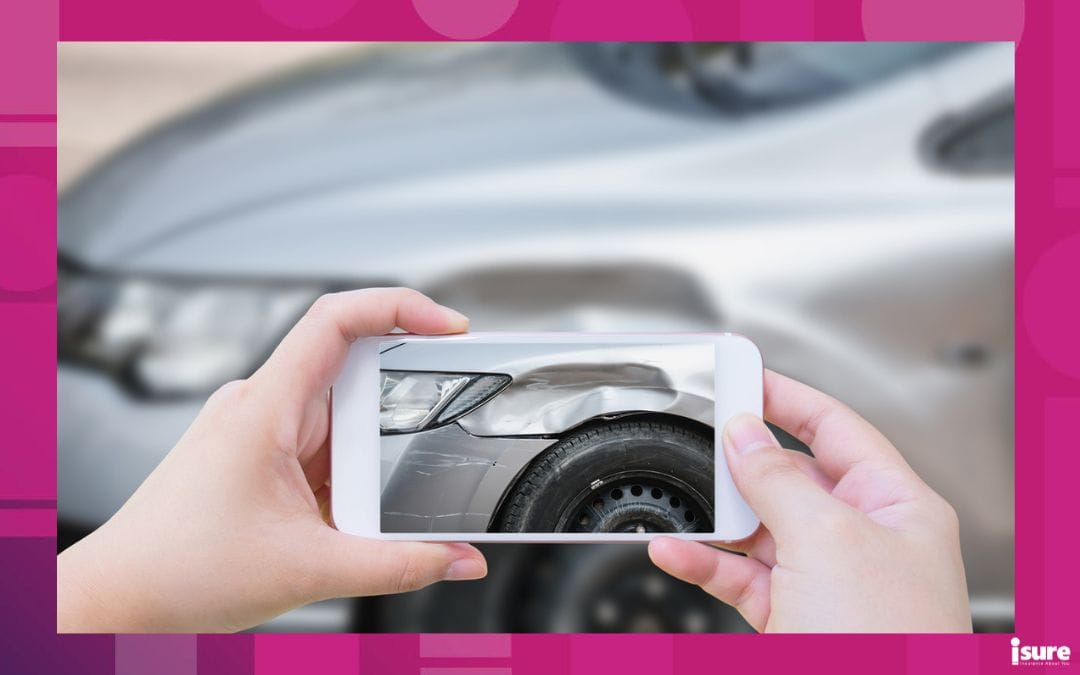
3. Obtain Photos
Images from different angles of the collision scene and of your car are essential. There may be evidence of the other car’s paint on the damaged area.
4. Seek Out Witnesses
Check if anyone witnessed the accident and take down as many details as possible from witnesses about the other car and the driver. Please note the witness’s contact details.
If you were parked in a location with security cameras, such as a parking lot, try finding out if the offender was caught on camera. Contact security at the office building or mall to see if they have any footage.
5. Report the Accident
After your injuries have been documented and you have any information that can be used to identify the hit-and-run driver, it’s time to call the police.
When the property damages are minor and less than $2,000, you may need to report only to the collision centre. You may drive to the collision reporting centre if you can, or have your vehicle towed there. If the police tell you they feel that the damages are too minor to report, take down the officer’s name, badge number, and phone number so your insurance company can contact them again.
6. Inform Your Insurance Company
Since only the driver is named in the claim, you’ll have to report the damages under your policy. Hit-and-run accidents are the only sort of vehicle collision in which you aren’t at fault, but you must cover your deductible. Be sure to make contact within the period specified in your contract, or they may not consider that you are not at fault.
Collision Coverage in Ontario
Because hit-and-run accidents are one-sided, reporting car damage will have to be taken care of under your policy. You will not be seen as being at fault, but you must still pay your collision deductible if the third party is unidentifiable. Be sure to make a police report within 24 hours of the event. You can usually notify your insurance company either before or after you have made the police report.
It’s essential to note that many insurers will only accept a car insurance claim if a police report has been filed. Here are some different scenarios:
Hit and Run: No Collision Coverage
There will be no insurance benefits for you to help pay for the damages to your vehicle if you do not have collision coverage, or you cannot identify the at-fault driver.
Can You Identify the Hit and Run Driver?
If you can figure out who’s responsible, your insurance will pay for the loss under the Direct Compensation Property Damage (DCPD) portion of your policy. This typically has no deductible. This is why having a witness is beneficial, in most cases. Identifying the offender may help you save money on the deductible by ensuring they are held accountable for the damage. If the motorist is identified and does not have insurance, Uninsured Motorist Coverage will apply. This is standard in all auto policies.
Speak to one of our isure representatives about adding OPCF 44R Family Protection Coverage to your auto policy.
Hit and Run Penalties
The penalty for a hit-and-run crime under the Criminal Code is severe. When the victim is not identified and the driver faces accusations of failing to stop, they can receive a sentence of up to five years in prison. Penalties under the Highway Traffic Act include:
- A fine between $400 and $2,000
- A maximum of six months in jail, or both
- Up to 7 Demerit points
- Possible license suspension of up to two years
Will a Hit-and-Run Claim Raise My Insurance?
Not At-Fault Driver
In most cases, your rates should not go up due to this incident. If you’re not at fault for the hit and run and you made a report to the police before filing the claim, your premium will not go up due to this type of incident. If it does, it will be for different reasons unrelated to a hit-and-run accident. All you have to worry about is paying the deductible.
At-Fault Driver
Sometimes, drivers hide a hit-and-run incident from their insurer even after the police are aware of it. In this case, your insurance company may consider this a breach of contract or misrepresentation, as you did not disclose the necessary information. Causing an at-fault hit-and-run accident puts you at considerable risk with your insurer.
The consequences of an at-fault hit-and-run accident on your insurance are:
- Cancellation of your coverage, or
- An increase in your premiums, as they may consider you a high-risk driver.
- Difficulty finding another insurer to cover your risk.
- The hit-and-run incident can stay on your insurance record for at least three to four years, up to seven years.
- If you injure a pedestrian or kill someone in a collision, you may also face a lawsuit. As a result, your insurer may not cover the legal expenses because you violated the law.
- Your third-party liability insurance will need to step in to cover any accident benefits claims from any person with injuries.
Involvement in a hit-and-run accident can be a stressful experience. However, if you think quickly and follow the steps above, you can cover all of your bases without a worry. Each situation is unique and has an impact on the coverage you have with your current car insurance provider. If you want to discuss your coverage or deductibles, contact your isure broker today to learn more about your DCPD and collision policies.

Ontario car insurance can be tricky to navigate. When you Read more
So, you've been found responsible for an accident. How will Read more

You’ve just gotten into a car accident, but before you Read more