
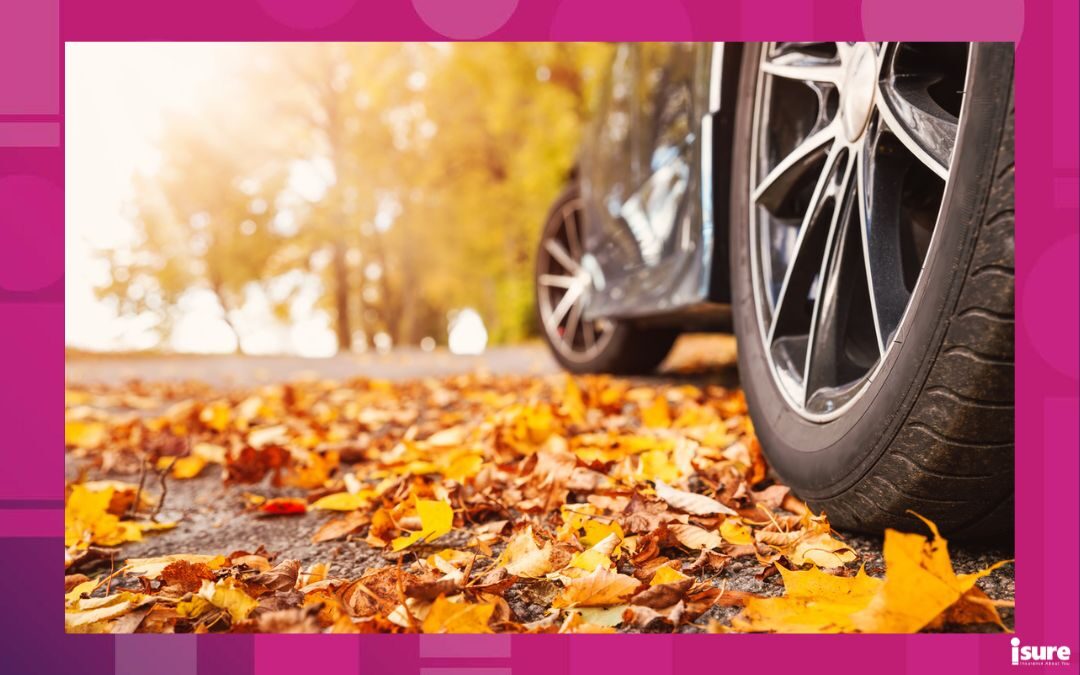
It’s fall, and you know what that means! Falling leaves, a drop in temperatures, and changing road conditions. So naturally, now is the ideal time to give your car some extra attention. Before the road conditions change, you should start to think about getting your car ready for fall. Follow our fall car maintenance checklist and enjoy the changing of the leaves with peace of mind.
Easy Fall Car Maintenance Tips
1. Replace Your Wiper Blades
We all know that inevitably, our vehicle’s wiper blades wear down, crack, and are rendered useless. If they’re not cleaning your windshield thoroughly, leaving streaks of water on your windshield, try cleaning the blade with a paper towel and glass cleaner. If it doesn’t make a difference, then it’s time to replace your blades with new ones. Luckily, blades are pretty inexpensive, and you can get a decent set for $30 or $40. Wiper blades need replacement every few years, so if you haven’t used yours in a while, make sure to replace them if necessary.
2. Test Your Heater and Defroster
Now is the perfect time to do this. You probably haven’t used your vehicle’s heater since last spring, so make sure to test that every vent is blowing hot air. Also, check your front and rear defrosters to ensure that they are working. If it’s taking too long, consider getting your heater and defroster systems repaired. You’ll thank yourself in January for following these fall car maintenance tips!
3. Change Your Oil
Check your owner’s manual if you’re unsure when it’s time to change your oil. Pop the hood and check it; if your oil is looking dirty, then it’s time. Without the proper amount of engine oil, your engine will start to break down and cause you potential issues in the future. And those repairs are expensive! You should get an oil change once every 5,000–10,000 km. If your car doesn’t have an oil change sensor, be sure to book your oil change whenever you book your tire changeover as an easy reminder.
4. Check Brakes and Tires
Your tires and brakes are two of the most essential parts of your vehicle. We’re all guilty of taking them for granted. Here’s what to look for:
- Check your stopping power
- How does your car stop in rainy weather?
- Do your tires have noticeable wear?
- Check your tire pressure
Luckily, most dealerships will inspect your brakes and tires, free of charge.
Remember to check ALL your tires!
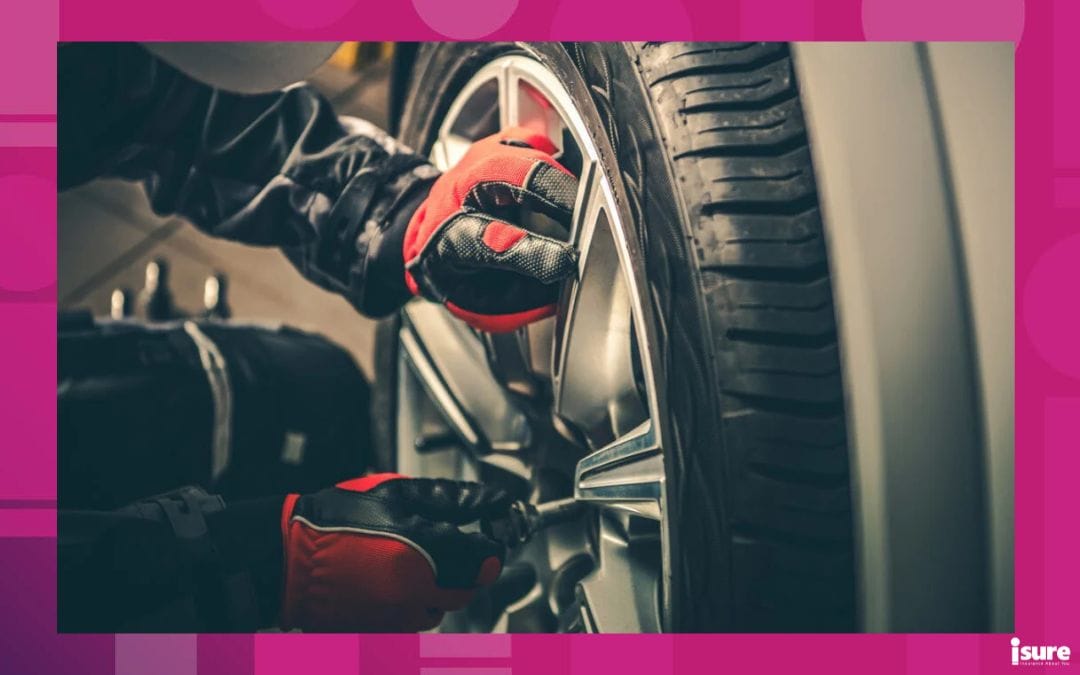
Be sure to inspect your season, spare, and winter tires to ensure that they have more than 5/32” tread left on them. This can be tested with the Queen’s Crown Test. Also, ensure that there are no cracks or bulges in your tires, as well as no debris stuck in your tires. If you notice anything abnormal with your tires, bring your vehicle to your local mechanic or dealership to have a proper assessment. If your brakes aren’t working well, the rainy fall season can be an accident just waiting to happen. Brake pads will wear out over time, and you don’t want your brakes to fail when you’re trying to stop in wet conditions. To stay safe, you’ll want to check your brakes before the fall season arrives. Don’t skip this fall car maintenance checklist item!
5. Test Your Lights
Now that the days are shorter, you will be using your vehicle’s lights more often. Walk around your car with your lights turned on; check the headlights, taillights, parking lights, brake lights, emergency flashers, as well as your interior lights. If they are all in working order, make sure your lights are clean. As cars age, the headlights can become cloudy or hazy, especially on cars that are routinely parked outside. More than a cosmetic problem, cloudy lenses can pose a serious threat to safety, compromising night vision and reducing the effectiveness of your headlights by up to 80%. Your visibility will be instantly improved, and you’ll feel a lot safer during those fall storms.
DYK: Lens covers can be made clear again using a headlight restoration kit. You can find kits starting for as little as $14 at canadiantire.ca.
6. Change Air Filters (if required)
The air filters in your car should also be replaced twice a year, preferably before the winter months. Air filters are an essential component of vehicle maintenance. Blocked filters contribute to restricted airflow and, as a result, the fuel economy, performance, and your vehicle emissions can become compromised.
Replace your cabin air filter as well. It prevents pollutants from entering through the vents. It’s a pretty important job, so treat your air filter well. Plus, using an old air filter long past its life can lead to significant problems for your air conditioning system.
- Maintenance tip: Change your cabin air filter every 12 months or 20,000 kilometres.
Here’s an easy way to test whether or not you need to replace your filter: Place it in front of a 60-watt bulb. If you can’t see through the filter, it’s time to replace it.
7. Have Your Battery Checked
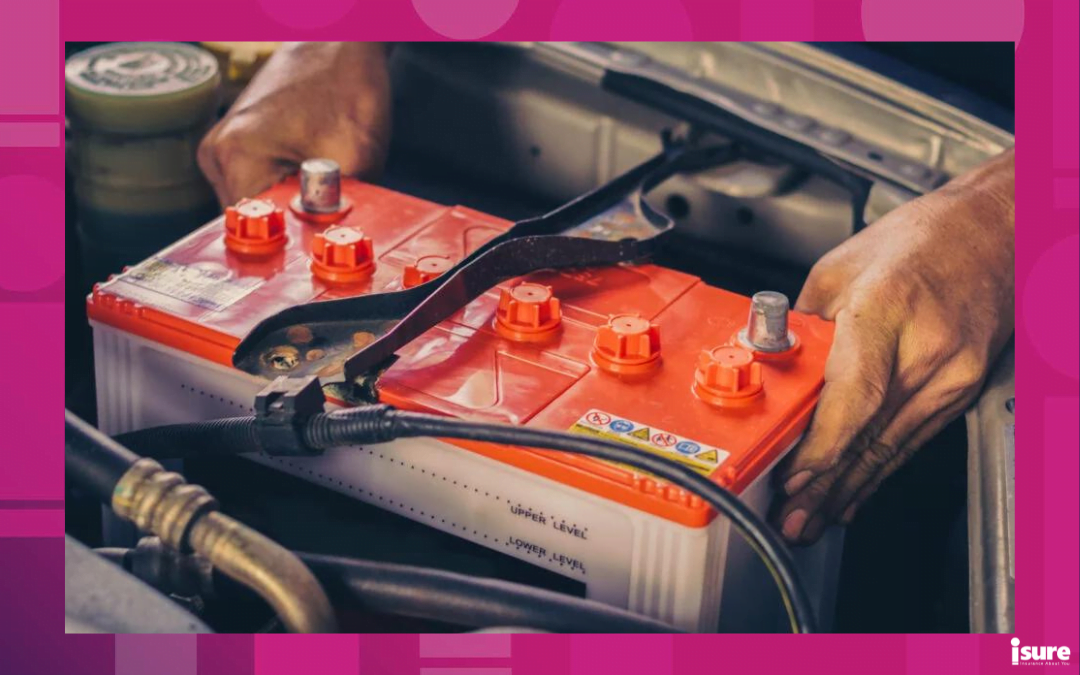
Car batteries have a limited lifespan, typically lasting around five years. So, it’s a good idea to get yours tested at least once a year. Going through your fall car maintenance checklist is the perfect time to do so! Be sure to have a technician check your battery and, if necessary, replace it. This is about more than just a dying battery. Many batteries are corroded, while others have loose cable connections. If not addressed, it could lead to a variety of electrical problems, causing ignition issues. You won’t know these things until it’s too late.
If you are vehicle savvy, you can check the condition of the battery, starting, and entire charging system with a computerized battery tester. One choice is the SOLAR BA9. Besides testing voltage, an automated battery tester checks for internal resistance and conductance, providing a good indication of the battery’s overall condition. Plus, the tester also checks the condition of your starter and alternator. You can also purchase a brush designed to clean corrosion from cable connectors and posts.
8. Top Up Your Fluids
Your vehicle is a finely tuned machine, much like the human body, that needs fluids to run. You should check all fluids, including your oil, power steering fluid, brake fluid, and transmission fluid. It’s not a bad idea to check your windshield washer fluid to keep your windshield clear and your antifreeze/coolant to keep your engine from freezing up. Please keep this in mind! If the level is low, add a 50/50 combination of water and coolant. If your car is a bit older, it might even be necessary to refill the cooling system.
9. Give Your Vehicle a Full Clean, Inside and Out
While not as crucial as some of the other tips on this list, giving your vehicle a thorough wash and wax will remove the summer grime and prepare it for the extreme conditions to come. Waxing is the best way to protect your vehicle’s exterior from the harshness of snow, ice, and salt. Remember to occasionally rinse the undercarriage of your car during the winter to remove harmful chemicals that can rust or damage brake lines and the frame of your vehicle. You won’t want to be doing it when it is -20°C outside, so do it now before it’s too late.
10. Replenish Your Emergency Kit
Having an emergency kit is critical not only for your safety but also for maintaining your car properly. If you already have an emergency kit in your vehicle, that’s great! However, consider adding a couple of items due to the change of seasons. A few ideas might be to add road salt, extra warm blankets, and an ice scraper. If you don’t have an emergency kit yet, we highly recommend making one or buying one online. They can be life-saving in an emergency, and you never know when disaster may hit.
Quick Tip: A small bag of kitty litter can be a real lifesaver in icy road conditions. To help give you some much-needed traction, place some of the gravel in front of your tires to help get you on your way.
11. Inspect Belts and Hoses
Giving your belts and hoses a once-over can save you from a huge mechanic bill later down the road. Worn-down belts can cause other damage to essential parts of your car. And if you have a weak radiator hose, it could go belly-up completely, which would cause your engine to overheat and not run at all. And running is a car engine’s primary job.
Maintenance tip: Replace your timing belt every 100,000 kilometres and your serpentine belt every 65,000 kilometres. It’s recommended that you change your hoses every four years or whenever one is showing signs of wear.
12. Check Shocks, Springs, and Struts (aka the Suspension System)
The suspension system is one of those intricate parts of your car that you probably don’t think about—until it stops doing its job and makes your ride bouncier than a trampoline park. If you find that one of the shocks needs to be replaced, replace all four of them. Yeah, it sucks, but it’s better in the long run for the overall life and well-being of your car.
Maintenance tip: Check the shocks and complete suspension system every 20,000 to 50,000 kilometres.
Electric Vehicle (EV) Fall Car Maintenance
Electric motors have far fewer moving parts than internal combustion engines. This means electric cars often require far less maintenance (and can be cheaper to operate) than their gas-burning counterparts. Still, EVs require regular maintenance. This includes familiar tasks such as rotating the tires, replacing various fluids, and changing out cabin air filters. There are also several EV-specific services that drivers of these battery-electric vehicles need to keep on top of.
We hope that our fall car maintenance checklist helps you stay safe on the road. Proper maintenance can be the difference between getting out and about and being stranded. Remember, it’s essential not only to maintain your vehicle, but it’s also a good idea to go through your auto insurance coverage a few times per year to address any endorsements that you have been thinking of adding for better, customized protection. Call one of our isure representatives today with any questions about your coverage!
Drive with Confidence
Request your free car insurance quote now and get the coverage you deserve.


Regular tire replacement is essential for safe driving and maintaining Read more
isure has compiled a collection of commonly asked questions and Read more

The leaves are beginning to change. Follow our top fall Read more