
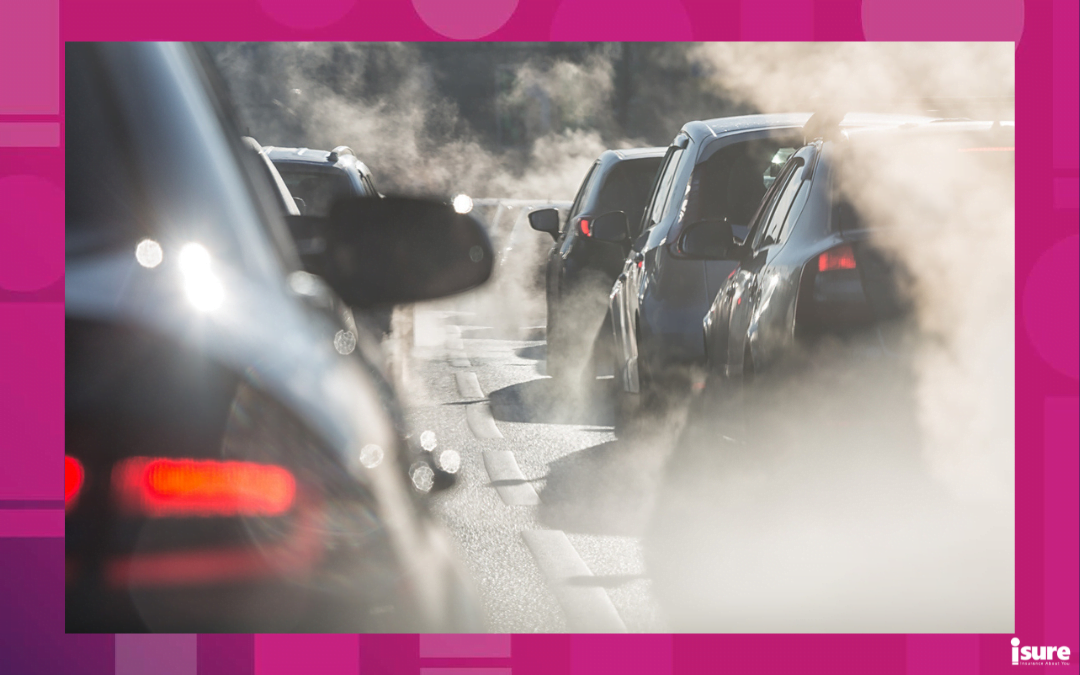
When it comes to properly maintaining your vehicle, there are several key factors to consider. One of the many questions asked by both new and experienced drivers alike is ‘What is an Emissions Test in Ontario?’ Does your vehicle require one? How often? We’ve answered everything you need to know below.
What Are Emissions Tests in Ontario?
Emissions Tests are procedures done to determine the number of pollutants emitted from the exhaust of your vehicle. In April 1999, Ontario announced the Automobile Emissions Control Program. This allowed Ontario to regulate various air pollutants, protecting you and limiting exposure to substances that can affect your health and the environment. If your vehicle did not pass this procedure, a fine would be imposed! These tests are usually done semi-regularly to ensure your vehicle is up to date.
Why Does Ontario Perform These Tests?
Air pollution and air quality have been ongoing concerns in Ontario. In fact, the province’s air quality is always being monitored. Generally speaking, everyone would agree they want to live in a province with better air quality, and there is always room to improve it. So, in 1999, Ontario announced the Drive Clean test to help reduce the number of cars whose emissions contribute to air pollution. As time passed, so did the ability to build more modern vehicles, which is why the government announced the program’s retirement in September of 2018 after much criticism!
Do I Currently Need An Emissions Test?
This depends on your vehicle! Nowadays, most lightweight vehicles (4,500 kg) no longer require Emissions Tests in Ontario. The government states that this is because most modern vehicles are not a threat, compared to years ago. Though it may not apply to you, most heavy-weight vehicles still need to get an Emissions Test done annually. This includes heavy-duty commercial diesel vehicles weighing over 4,500 kg, such as large trucks or buses. Since these are done annually, you will receive a renewal notice in the mail. This will state that you must get an ET done to renew your vehicle registration. If you are buying a used vehicle over 7 years old, you must also check that it complies with Ontario emissions standards.
What Does One Of These Tests Entail?
If any of the above apply to you or you recently purchased an older used vehicle, where should you go? All emissions tests must be done by a certified technician at a vehicle inspection center. Now, you may be curious as to what happens during these tests. Before the test begins, a technician will do a visual inspection of the outside of your vehicle. During these inspections, they will check to ensure your fuel cap is secure and that your exhaust is not leaking.
Afterwards, they will perform an “opacity test.” This is where they measure the opacity of the emissions that are expelled from your fuel’s exhaust. Passing this will actually depend on some details of your vehicle. If your vehicle was made before 1990, you will need a 40% opacity. If your vehicle was made from 1991 to 2007, you will need 30% opacity to pass. After 2008, you will only need 20% opacity to pass! On top of this, they inspect your car for different issues, such as an ill-fitting fuel cap. If you pass these tests, you will receive a year-long slip stating that your vehicle is road-safe. If you fail, you will have to have your car repaired before you can take another test and renew your vehicle.
Reasons People Fail Emissions Tests
Sometimes, when people take emissions tests, their vehicle fails to meet the standards the province has put in place. Fortunately, this isn’t the end of the world! Let’s take a look at some of the most common reasons vehicles fail emissions tests.
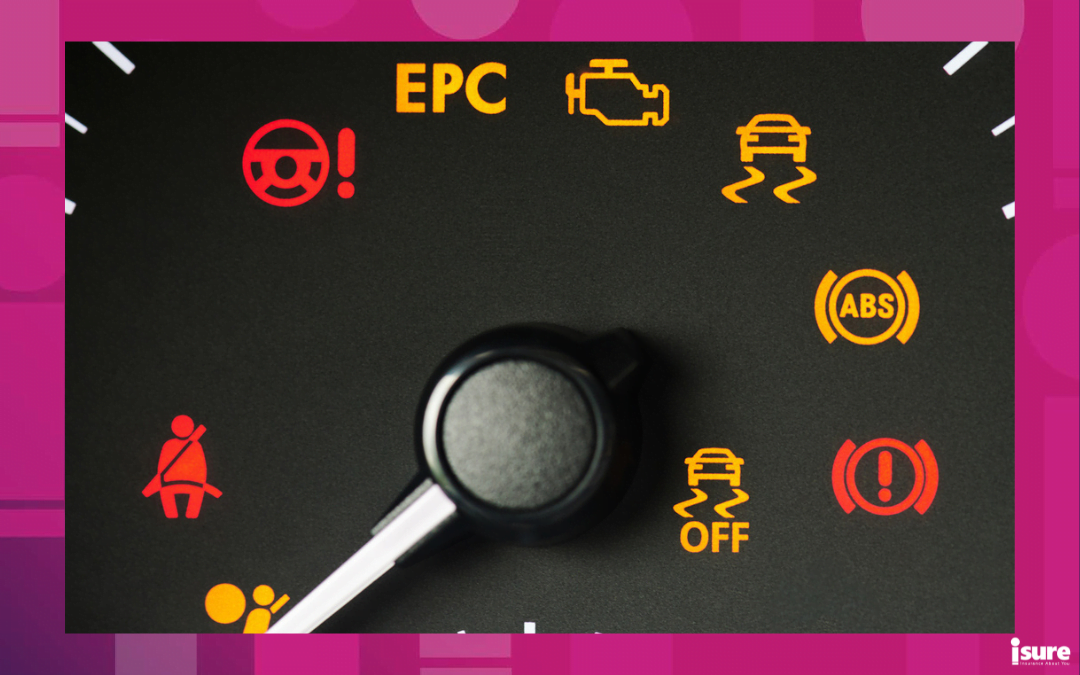
- Check Engine Light Is Left On: This is the number one reason people fail emissions tests. Even if your car seems to run fine, the light indicates that a sensor or system isn’t working properly and needs some attention.
- Faulty Oxygen Sensor: This is the sensor that helps your engine efficiently burn fuel. When this isn’t working, emissions rise, and the economy drops.
- Evaporative Emissions Leaks: A cracked hose or loose gas cap can let gasoline vapours escape, triggering a system failure.
- Incomplete Readiness Monitors: If your car’s computer hasn’t completed all self-diagnostic tests, such as a battery disconnect, it may not be ready to pass any emissions tests.
- Issues With Catalytic Converters: If your catalytic converter is damaged or clogged, it can’t properly filter any harmful pollutants.
How Can I Tell When My Last ET was?
If you are curious as to when your vehicle’s last Emissions Test was, you can find out online! You must have your VIN (Vehicle Registration Number). This can be found on your green ownership certificate, vehicle insurance form (pink slip), or, in some cases, on your vehicle’s dashboard. From there, you can visit the DriveON vehicles submission report website to see when your vehicle last had an Emissions Test! If you live in Ontario, you can call to request a six-month extension of your emissions test.
How To Prepare For An Emissions Test
Luckily, preparing for an emissions test doesn’t have to be stressful, especially if you regularly take care of your vehicle. Want to secure passing your emissions test on the first try? Let’s take a look at some recommended steps to take beforehand to prepare for your emissions test:
- Fix Your Check Engine Light: Never assume your light being on is minor; it is important to get this looked at before an emissions test.
- Check Your Gas Cap: A loose or damaged gas cap is actually a very common fail point. Make sure it is tight and sealed properly before an emissions test.
- Perform Routine Maintenance: Cleaning filters, refreshing spark plugs, and topping up your oil levels can all improve your engine and emission performance.
- Drive Before a Test: Believe it or not, a short warm-up drive of 2-30 minutes before a test helps your car’s system reach optimal operating temperature.


Here are some of the most important car maintenance lights Read more
Just like you, your car needs a check-up once in Read more
As we brace ourselves for one of the snowiest winters Read more