Canadian winters can be unpredictable—thick snow, freezing rain, icy roads, and subzero temperatures demand a vehicle equipped explicitly for harsh conditions. Whether you’re navigating rural side roads or major highways, choosing a winter-ready car can significantly improve your safety and confidence behind the wheel. For the 2025–26 winter season, several models stand out for their strong safety ratings, capable AWD systems, and winter-ready features. Below is a guide outlining the safest winter cars for braving Canadian winters, along with the key features shoppers should look for.
Why Winter-Ready Cars and SUVs Matter in Canada
Choosing a winter vehicle goes beyond comfort and style—it’s about safety, performance, and reliability. Canadian winters require vehicles with dependable AWD/4WD systems, high ground clearance, strong safety ratings, and winter-friendly features like heated seating or remote start. A properly prepared vehicle offers better traction, shorter stopping distances, and protection against corrosion, while also ensuring the engine and fluids can withstand harsh temperatures. Before you check out our winter list below, read on to get the complete list of the safest vehicles for 2026.
1. Extreme Temperature Variability
Many Canadian cities experience dramatic temperature swings, sometimes plunging from +5°C to –20°C within a day. These fluctuations create:
- Flash-freeze conditions
- Black ice on major highways
- Hard-packed snow that reduces traction
A winter-ready vehicle with AWD/4WD, proper traction control, and winter tires can help maintain grip and steering response in these unpredictable conditions.
2. Long Winter Seasons
Most provinces—especially Ontario, Quebec, Alberta, Saskatchewan, and the Atlantic region—experience 4–6 months of winter driving. That’s:
- Half the year spent on snow or ice
- Increased exposure to slush, frost heaves, and rutted snow roads
- More nighttime driving due to shorter daylight hours
A vehicle that’s comfortable and safe in winter isn’t a seasonal bonus — it’s a year-round necessity for many Canadians.
3. Diverse Road Conditions Across Canada
Winter roads vary widely across the country:
- Urban centres: Heavy traffic, slushy streets, frequent freeze-thaw, high collision risk.
- Suburban communities: Unplowed side streets, large snowbanks, steep residential hills.
- Rural regions: High snow accumulation, drifting snow, gravel roads, and limited visibility.
- Northern and remote areas: Long distances, limited cell service, and extreme cold that affects batteries, tires, and electronics.
A winter-ready car with the right safety technology makes navigating each of these environments safer and more reliable.
4. Snowfall and Weather Extremes
Canada regularly sees:
- Heavy snowfall events up to 30–60 cm
- Lake-effect snow in regions like southern Ontario
- Freezing rain storms that create treacherous ice sheets
- Wind chill temperatures hitting –30°C or lower
A winter-ready vehicle designed for these conditions can offer:
- Better start-up performance in extreme cold
- Stability control that helps prevent slides
- Heated features that improve visibility and comfort
- Ground clearance that keeps the vehicle from getting stuck
5. Safety and Collision Prevention
Canadian insurance providers consistently note that winter is peak collision season, with increases driven by:
- Reduced stopping distance on ice
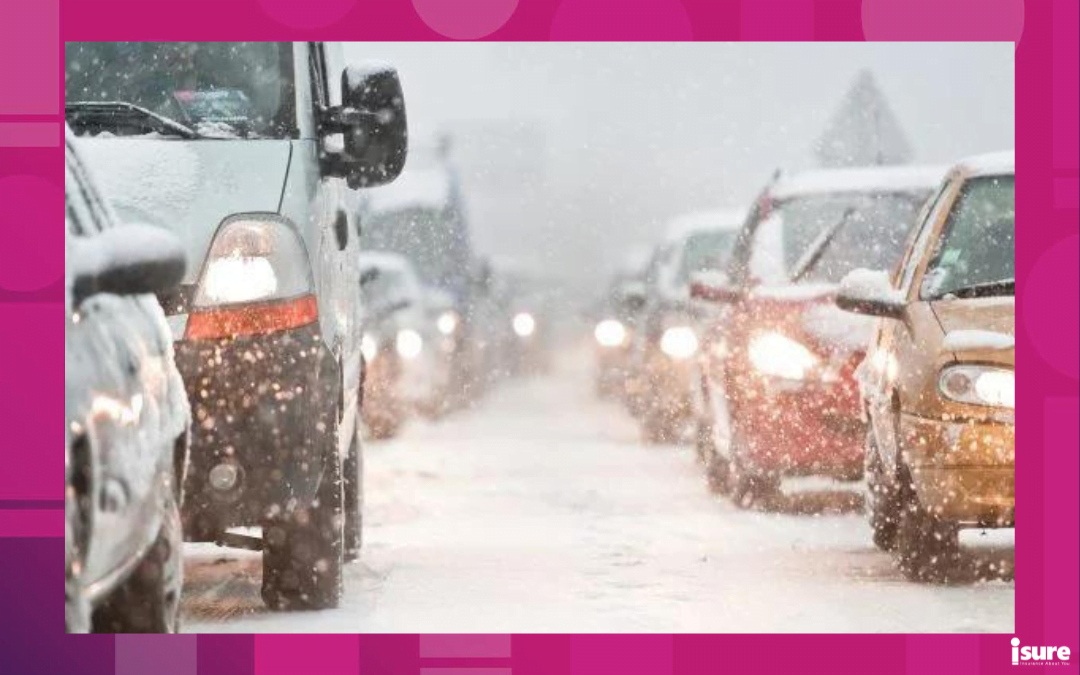
- Limited visibility during snowstorms
- More vehicle-to-vehicle contact at intersections
- Higher likelihood of sliding during turns or lane changes
Winter-ready vehicles are among the safest. Helping to mitigate these risks through:
- AWD/4WD systems
- ABS braking
- Traction and stability control
- Advanced driver-assist features (ADAS)
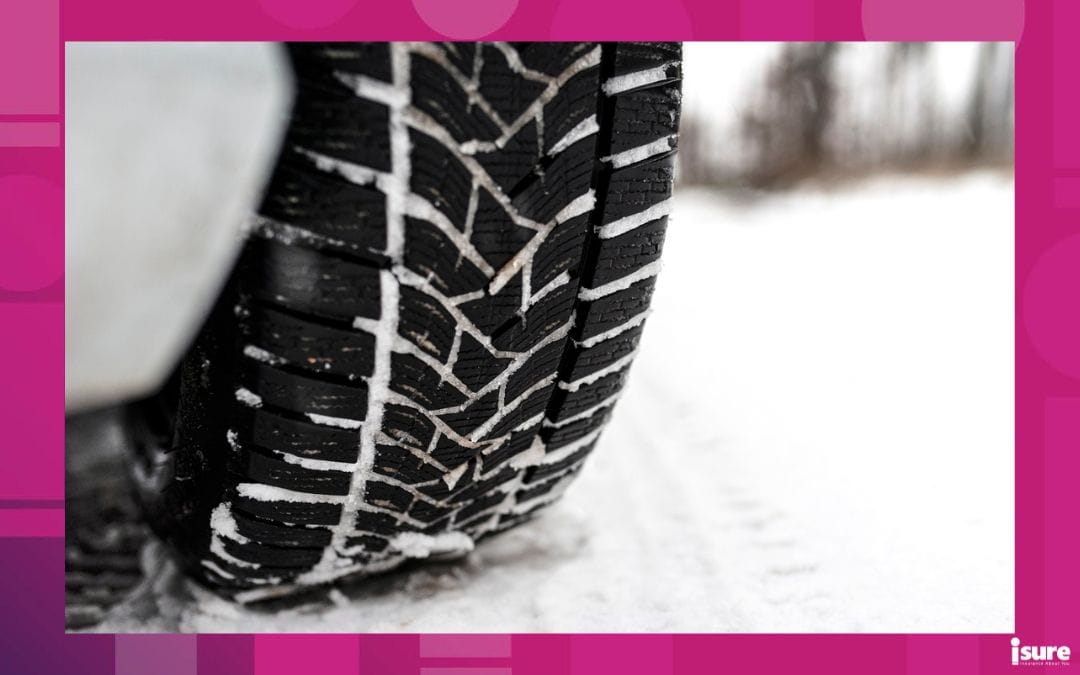
- Proper winter tires
These combined systems significantly reduce the likelihood of losing control during sudden maneuvers.
Mandatory winter tires: Some regions of Canada, such as parts of Quebec and British Columbia, require winter tires during specific periods. Not having them can result in fines.
6. Comfort and Usability in Harsh Weather
Cold weather driving isn’t just about traction — it’s also about comfort, efficiency, and convenience.
Winter-ready vehicles often include:
- Heated seats and steering wheel (reduces driving fatigue)
- Heated mirrors (improve visibility)
- Wiper de-icers (prevents frozen blades)
- Remote start or cabin pre-conditioning (warms the cabin, clears windows)
- All-around cameras with washers (helpful in slush-heavy urban driving)
These features not only improve driver comfort but also reduce safety risks caused by poor visibility.
7. Battery Performance and EV Considerations
With EV adoption growing in Canada, winter readiness matters even more:
- Cold temperatures can reduce EV range by 20–40%
- Pre-conditioning becomes essential
- AWD EVs offer strong torque distribution in snow
- Heat pumps help maintain cabin warmth efficiently
Models like the Volkswagen ID.4, Hyundai IONIQ 5, and Tesla Model Y are examples of EVs praised for their winter capabilities.
8. Reliability and Peace of Mind
A winter-ready vehicle gives drivers confidence that they can:
- Navigate safely to work or school
- Manage unexpected storms
- Travel long distances without worrying about traction or cold-related failures
- Avoid getting stuck on rural or unplowed roads
In a country where winter weather can change rapidly and dramatically, peace of mind is one of the most significant advantages of choosing a proper winter-ready vehicle.
Good-quality, reasonably priced tires are typically the first to sell out. If you are trying to be mindful of your spending, please be sure to check our list of winter tires above. Try purchasing on Black Friday or Boxing Day, when specials and promotions are at their peak. Reach out to one of our isure representatives to learn more about the discount offered for installing them!
Safest Winter Cars for 2025–26: Comparison Chart
A winter-ready vehicle isn’t just a convenience — it’s a safety essential. The models featured below stand out for combining strong safety ratings, dependable AWD or 4WD systems, and features designed to improve traction, visibility, and cold-weather reliability.
While no vehicle can be considered “the safest” in every scenario, the options in our chart represent some of the best-performing and most winter-capable cars on the road today. They consistently score well in crash-test evaluations, offer winter-focused technologies, and have proven track records across Canadian climates—from urban commutes to rural, unplowed roads.
The chart below highlights how these top picks compare, helping you choose a vehicle that aligns with your driving habits, regional weather, and safety needs.
| Vehicle Model | AWD/4WD | Safety Ratings | Ground Clearance | Winter Features | Best For |
|---|---|---|---|---|---|
| Subaru Outback | AWD | Excellent | High | Heated seats, X-Mode | All-around winter driving |
| Toyota RAV4 | AWD | Excellent | Medium | Hybrid options, heated seats | Families |
| Honda CR-V | AWD | Excellent | Medium | Real Time AWD | Daily commuters |
| Mazda CX-5 | AWD | Very Good | Medium | Strong traction control | Sporty winter driving |
| Jeep Grand Cherokee | 4×4 | Very Good | High | Drive modes, rugged build | Heavy snow/off-road |
| Ford Escape | AWD | Good | Medium | Remote start, heated seats | Urban/suburban |
| Nissan Rogue | AWD | Very Good | Medium | Snow mode, heated features | Comfort + convenience |
| Toyota 4Runner | 4WD | Good | Very High | Body-on-frame strength | Deep snow |
| Subaru Forester | AWD | Excellent | High | X-Mode, visibility | Rural + suburban |
| Volvo XC90 | AWD | Excellent | Medium | Advanced safety tech | Luxury winter driving |
Honourable mentions from Kelley Blue Book & CarGurus:
✔ Toyota 4Runner – exceptional in deep snow
✔ Subaru Forester – similar winter stability to Outback
✔ Hyundai Santa Fe – strong AWD tuning
✔ Chevrolet Tahoe – great for large families + heavy snow conditions
✔ Volvo XC90 – outstanding safety technology
Safest Winter Cars in Canada: Conclusion
Choosing the right winter-ready vehicle can make a significant difference in safety, comfort, and peace of mind during Canadian winters. Whether you’re looking for a rugged SUV, a reliable family vehicle, or a luxury model with exceptional safety technology, the options above offer strong performance for the 2025–26 season. Understanding key features—especially AWD systems, ground clearance, and safety ratings—will help you make an informed decision before the snow falls.
Drive with Confidence
Request your free car insurance quote now and get the coverage you deserve.



Looking for the safest vehicles of 2026? With tougher crash Read more
Winter driving in Ontario can bring unpredictable conditions — from Read more
Find budget-friendly winter tires that offer both affordability and reliability. Read more