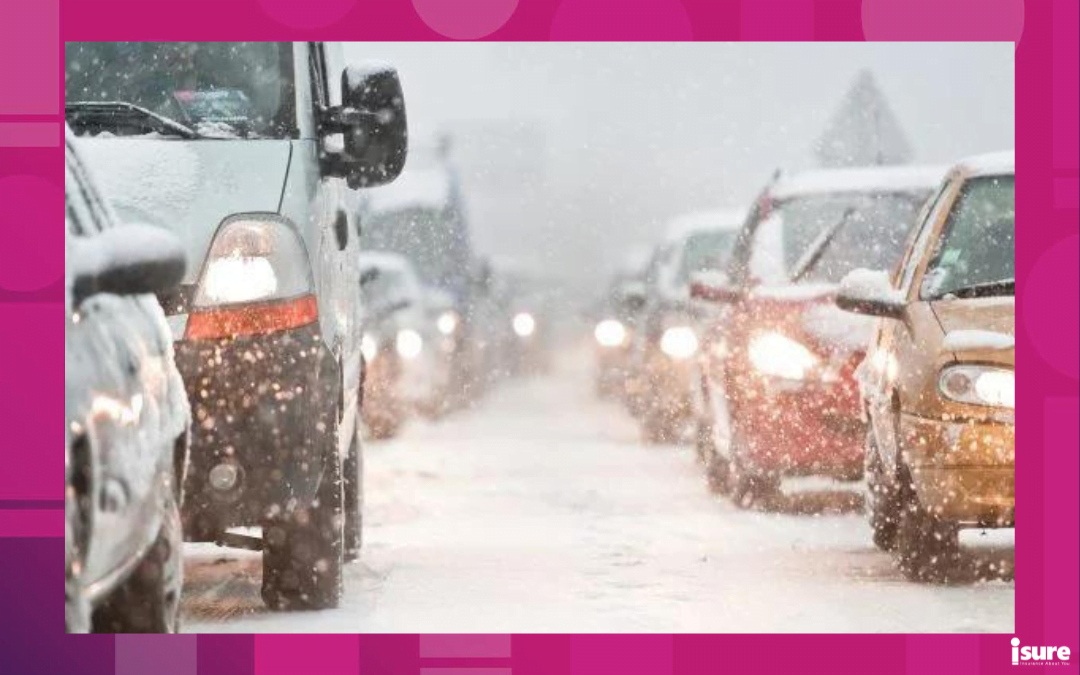
Winter driving can often deliver a mixed bag of road conditions. Some days, the roads may be dry and the skies clear, while others may be snowy with high winds and black ice. As a driver, you need to be prepared for all of these winter driving conditions—often in rapid succession with other challenges. We have created a list of the most essential winter driving tips to help you better prepare for these potentially complex driving scenarios. If you follow these winter driving tips in the colder months, you’ll statistically be better equipped to handle any condition that Old Man Winter throws at you! Remember, when the roads are bad, it is always important to stay home! Getting behind the wheel can lead to life-threatening accidents if you aren’t adequately prepared.
1. Get Winter Tires
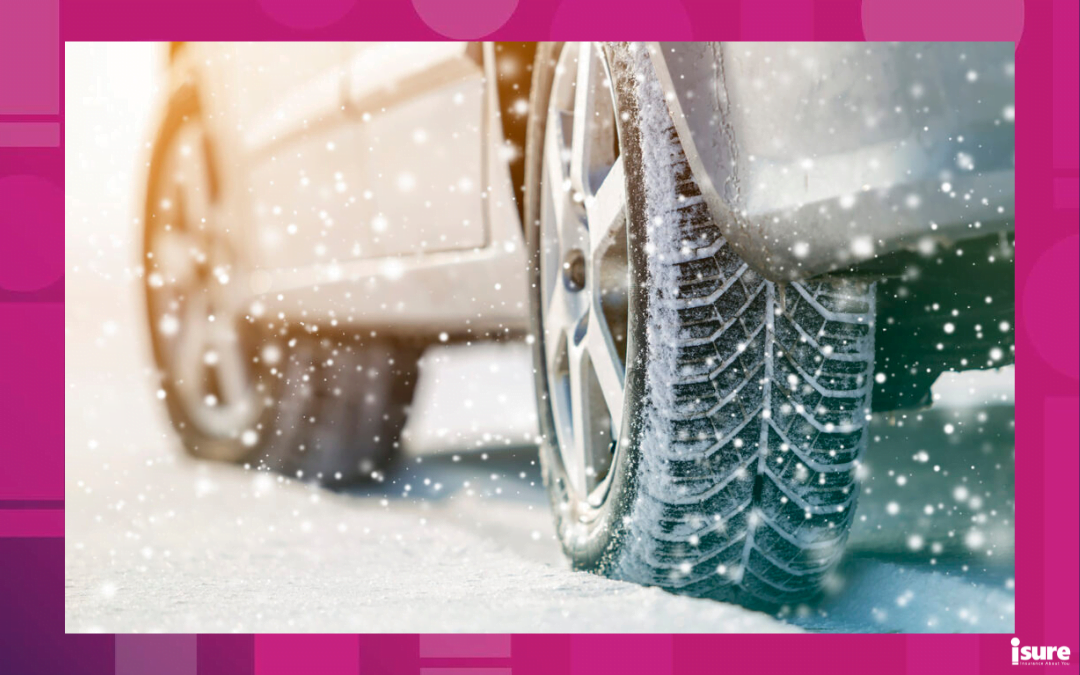
Insurance providers may offer a discount to drivers with winter tires. Not only do they save you on your insurance (up to 5% on your premium!), but they also reduce your risk of accidents by improving traction and braking distance. Some companies require you to have winter tires on your vehicle(s) from November 1st to April 1st to qualify for the insurance discount. A common question is whether all-season tires qualify for this discount; the short answer is no! Why? The Ontario government suggests that all-season tires can start to lose grip at seven degrees Celsius or lower. Your isure insurance broker can help you find the best winter tire insurance discount, where applicable.
2. Look Further Ahead Than Normal
By being aware and cautious of what is happening further down the road, you will be better equipped to react to the changing conditions of winter driving. While this may seem like common sense advice, many drivers only look as far as the car in front of them. In winter, the sun sets much earlier than usual. If you struggle to look further ahead when it is dark out, consider this a good time to replace or upgrade your front lights. Though costly, it is worth being able to see clearly. This is a helpful tip to ensure winter driving safety.
3. Have a Winter Driving Survival Kit Handy
Having a winter driving survival kit in your car will give you peace of mind if you find yourself in a difficult situation. Your kit should include items that will help you if you become stuck, keep you warm, and resources to keep you in your care for 24-48 hours. Some of the more obvious items include sand or salt, a snow brush, extra Antifreeze, a tow rope, jumper cables, a fire extinguisher, and road flares. Other suggestions include food, water, a blanket, extra clothing, a first aid kit, a small shovel, candles/matches, a flashlight, a map, a radio, and a whistle.
4. Defrost Your Windows Properly
Knowing your car’s system and how to defrost your windows properly is crucial. We all know just how annoying it can be to defrost your vehicle. This is especially true during those dark, winter mornings on your way to work! However, windows that aren’t defrosted can lead to dangerous driving conditions. Allow extra time for your windows to defrost before you begin driving. Keep in mind that air conditioning will reduce the humidity that causes fogging in your car.
5. Clear ALL Snow From Your Car
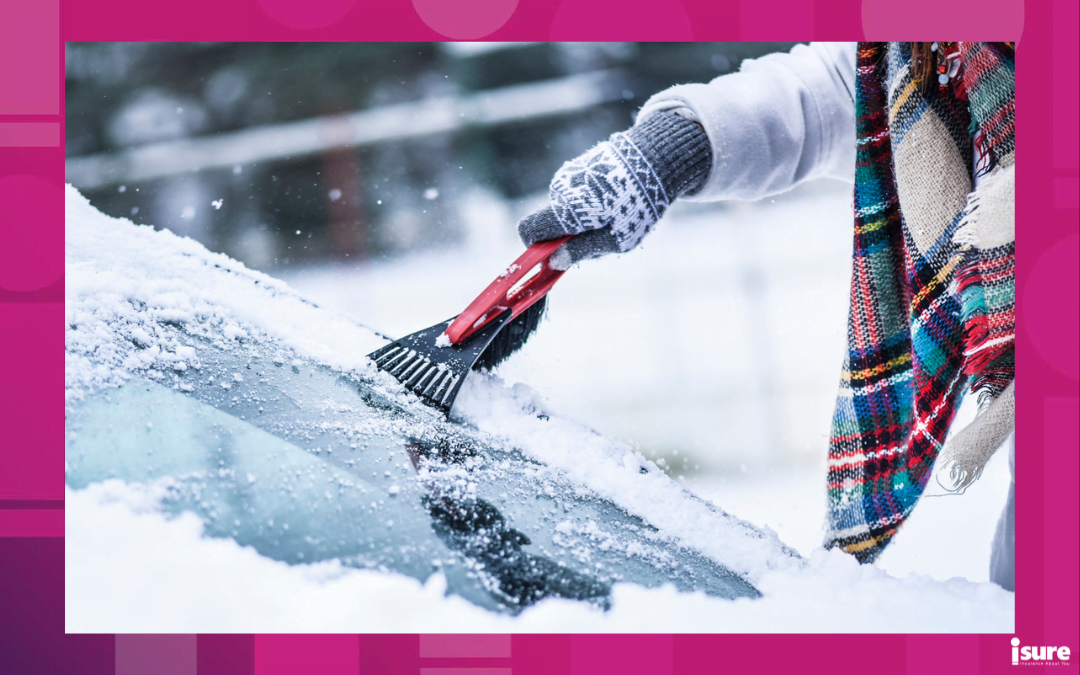
In many situations, people tend to get up in the morning and clear their windows begrudgingly. However, those overnight snowfalls can be more hazardous to your car than you think. Leaving snow on your vehicle’s roof can be very dangerous for the cars behind you. Make sure to clear ALL of the snow from your vehicle with a snow brush before winter driving. According to the Ontario Provincial Police, you can receive a ticket with a $110 fine if you have an obstructed view caused by excess snow.
6. Check Vehicle Fluids Before Winter Driving
Make sure to keep the crucial fluids in your car topped up, such as Antifreeze, brake fluid, and engine oil. Though you should keep up with this year-round, the cold days make it more critical than ever. When possible, carry extra in your trunk. Windshield washer fluid is used more frequently in the colder months because dirty, slushy snow can clog the system. Even more, be sure to keep your gas tank at least half full to minimize moisture in your fuel system.
7. Check Tire Pressure Every Season
For every 6 degrees Celsius that the temperature drops, you will lose 1 PSI (pounds per square inch) in your tires. As the weather shifts every season, be sure to check your tire pressure. Inflate your tires to compensate for the loss of pressure, especially as the temperature drops below zero. Keeping your tires in tip-top shape is crucial for staying safe on the road. With this in mind, it is important to remind everyone that winter tires are essential before hitting the road during the snowy season.
8. Always Run Your Lights
Day running lights are often delicate during normal conditions; however, you should run your leading lights during winter. Not only does it better illuminate the roads for you, but it also helps other drivers see you more clearly. Everybody knows just how difficult it can be to see during a snowstorm. With this in mind, you should take every precaution necessary to see clearly and to be seen.
9. Don’t Use Cruise Control When Winter Driving
You need to be aware of the road conditions, and cruise control can lull you into a false sense of security. Instead, avoid using it altogether while winter driving and actively monitor changing road conditions.
10. Practice Slide Recovery
If you’ve never experienced losing control before, get some practice before winter driving. Head to an empty parking lot and practice skidding and regaining control. The experience can be terrifying when you’re in it unexpectedly, but if you know what to expect, you’ll be able to handle the situation more appropriately. Avoid sudden steering wheel turns or heavy, sudden braking.
11. Avoid Bridges if Possible
Bridges have a larger surface area, which means they cool down much faster than a regular road. As a result, bridge conditions often deteriorate even when the other roads are passable. Slow down when approaching any bridge, or avoid familiar routes that may have one (if possible).
12. Slow Down!
Winter driving should always come with an unwritten rule: add 15 minutes to every hour. Slowing your speed is one of the best ways to handle winter driving, as it allows you more time to react and provides better traction control. Also, keeping a safe distance from the vehicle ahead of you will improve your reaction time. Managing your speed is one of our best winter driving tips! Remember, no destination is worth risking your life or that of your passenger to reach. If you think you will be late to your destination, always call ahead to let them know. In most scenarios, people are generally understanding of the weather.
13. Wear Appropriate Winter Driving Footwear
Clunky winter boots aren’t well-designed for winter driving—they slow your reaction time and can be a hazard. Instead, consider keeping a pair of driving shoes you can change into as needed. This can range from a pair of sneakers you own in your car to a less chunky pair of boots that you can wear when the weather isn’t as brutal. Being able to stop, go, and slow down when necessary is crucial to keeping you and your passengers safe on the roads.
Winter Driving: Final Thoughts
We hope these tips help you better understand how to stay safe behind the wheel. Remember, the biggest tip of all is to have good car insurance in case something unexpected happens. Like the weather, driving can bring on even the most surprising.
Are you in the market for new car insurance? If so, why not check out isure? We offer some of the best prices on premiums, as well as customer service you can always rely on.
Drive with Confidence
Request your free car insurance quote now and get the coverage you deserve.


Which winter tires are top-rated? How do they affect insurance? isure Read more
As we brace ourselves for one of the snowiest winters Read more