
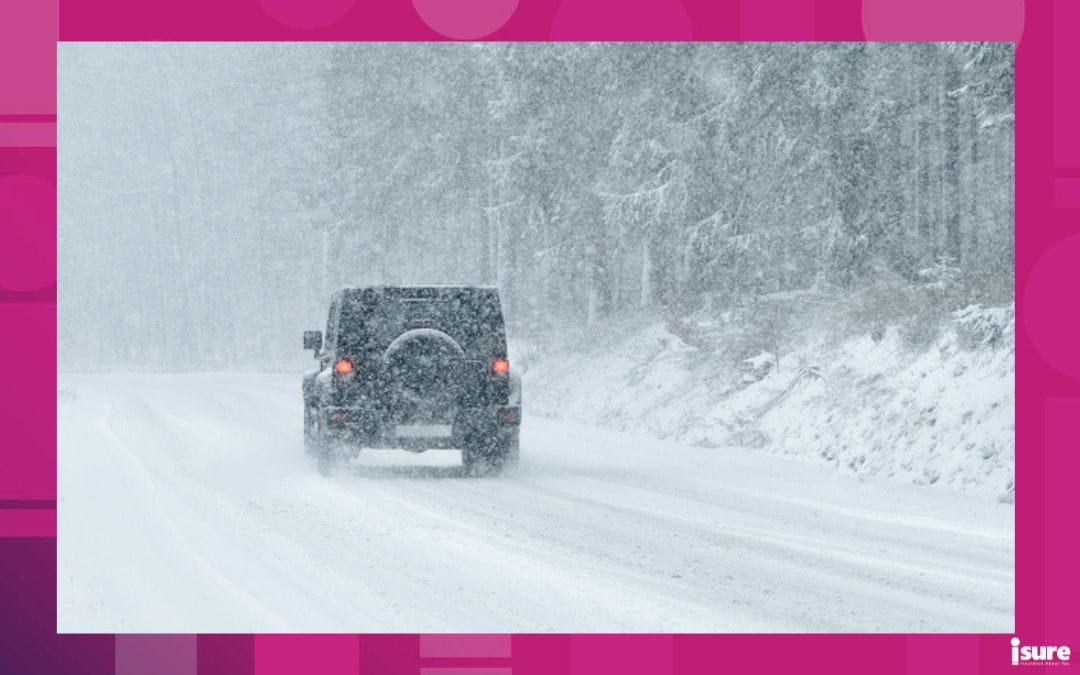
Blizzards in Canada have become very common, and it’s essential to know how to handle them. Sometimes we find ourselves in predicaments where driving in dangerous conditions is not by choice but still necessary. Let’s break down the details of a winter storm so you can drive safely through a blizzard.
How to Prepare Your Vehicle for Winter Storms
Before the Weather Network predicts a blizzard, getting proper winter protection for your car is an ideal way to avoid any problems. Ensuring you have snow tires is the number one way to prepare for winter road conditions, along with stocking up on essential items. This may include windshield wiper fluid and oil. When preparing to drive in the winter, having more than you need is the best tip we can give. Stocking up on extra hats, a jacket and gloves (in case something happens) is essential. Also, be sure to pack jumper cables, even if you’re just driving a short distance.
Before you hit the road, make sure to wipe off any snow from your entire car, not just your windows. Driving with additional snow on your car is very dangerous and can even earn you a ticket, as it can also hinder visibility for the driver behind you. Always ensure you start your car well before you plan to leave, so the engine can warm up fully.
Tips for Driving Through a Blizzard Safely
Driving during a blizzard is dangerous and should be avoided if possible. But if travel is absolutely necessary, follow these safe driving tips:
- Drive Slowly and Cautiously – Snow and ice reduce traction; drive below the speed limit.
- Brake Early and Gently – Allow extra stopping distance to avoid sliding.
- Keep Headlights On – Visibility is often low; be seen by other drivers.
- Avoid Sudden Movements – Steer and brake smoothly to maintain control.
- Take Breaks if Needed – If visibility or fatigue becomes an issue, find a safe place to pull over and wait.
- Watch for Black Ice – Especially on bridges, overpasses, and shaded areas.
What to Do If You Get Stuck or Stranded in a Blizzard
If you get stuck or stranded while driving through a blizzard, it is best to stay inside your vehicle. Not only does it provide some shelter from the elements, but also staying put makes it easier for rescuers to locate you. Keep the engine running only for about 10 minutes every hour to help conserve fuel and provide some warmth. During these times, make sure to crack a window slightly to provide some ventilation and regularity check that the exhaust pipe is clear of snow. Ensuring the exhaust pipe is free of snow is especially important to prevent carbon monoxide buildup.
Next, make sure to bundle up and stay warm with any extra layers you have. Most importantly, remember to stay calm, conserve your phone battery, and wait for help to arrive. Plus, if you have anything with a bright or reflective fabric around a visible part of your car to help you be spotted.
What to Do After Arriving at Your Destination
Once you arrive at your destination, there are still some steps you should take to ensure your car is in good condition the next time you drive it. First, turn off your windshield wipers. This will ensure they are in perfect condition next time you drive and won’t get damaged. Next, if you’ve parked on the street, check the parking spot you have chosen. Certain municipalities have rules governing street parking in the winter, especially when it may potentially block snowplow access. If possible, try using indoor parking (i.e., a garage or parking garage) to avoid any additional or prolonged bad weather.
Blizzard Driving Safety Checklist
Here is a list of items that you should consider having in your vehicle while driving through a blizzard:
- Blanket/sleeping bag
- Ice scraper/snow brush
- Small shovel
- Flashlight with extra batteries
- Non-perishable snacks
- Bottled water
- Jumper cables
- First aid kit
- Extra hats/gloves/socks
- Sand, salt, or kitty litter
- Reflective triangle or flare
- Portable phone charger
- Winter boots and warm coat
If you want more information about what to have in your vehicle in case of emergencies, feel free to read our article on Emergency Kit Essentials.
How Do These Storms Impact Your Car Insurance in Ontario?
Driving during a snowstorm can lead to increased risk of accidents or vehicle damage. It’s a good idea to review your comprehensive and collision coverage to ensure you’re protected from weather-related claims. Understand how accidents during poor weather can impact your premiums or deductible. Talk to your broker about roadside assistance coverage.
Have questions about how winter weather might affect your auto insurance? Reach out to our team at isure—we’re here to help!
We hope this article provided some valuable tips on how to drive more safely during the next Canadian blizzard. If you have any questions as to how your auto insurance policy could be affected by inclement weather, reach out to a member of our isure team.
Winter driving in Ontario can bring unpredictable conditions — from Read more

Would you wear flip-flops in the snow? The answer is Read more

Which winter tires are top-rated? How do they affect insurance? isure Read more