
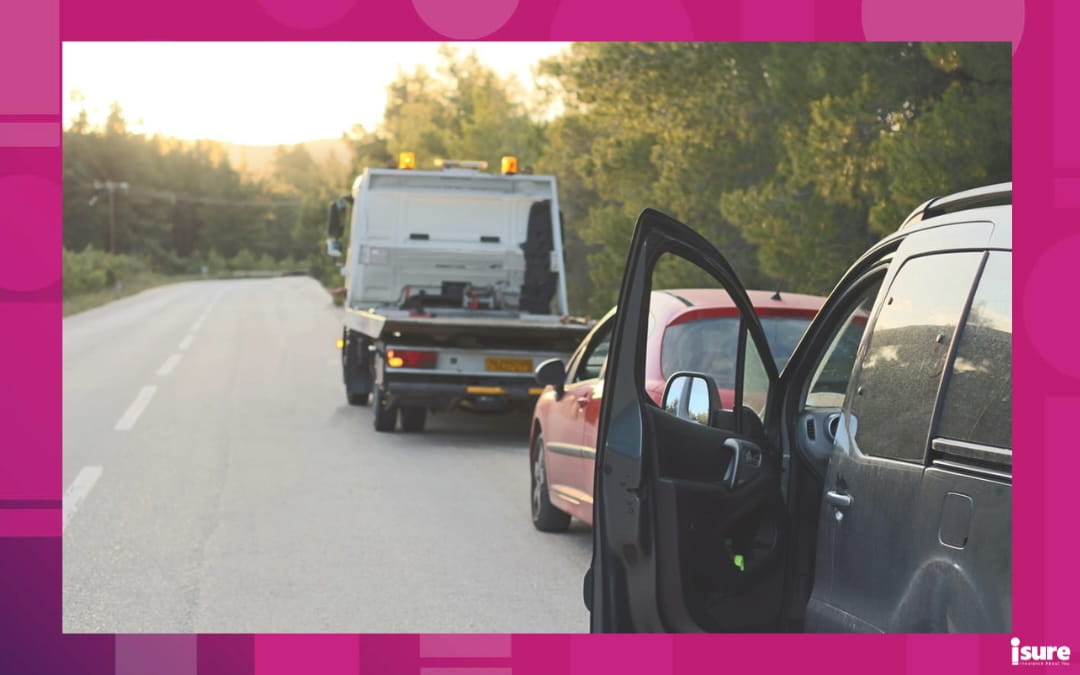
Towing your vehicle is one of the most common, yet unexpected, expenses in Ontario. At some point, every Ontario driver will have to call a tow truck, especially after a breakdown or collision. Despite how often this happens, many Ontario drivers don’t know the basics of arranging a tow. So, we’ve collected some of the most frequently asked questions Ontario drivers have about towing costs and how auto insurance fits into them.
How are towing costs determined in Ontario?
To start, most towing companies use a standard pricing structure. Usually, the price of towing a vehicle in Ontario consists of two main charges: the base hook-up fee and the per-kilometre charge. Here is a breakdown of tow truck pricing:
What is the Base Hook-Up Fee?
The minimum cost is charged once a tow truck is dispatched to your location. It covers the arrival, labour to load or secure your vehicle, and the first 5-10km of distance travelled. For a standard vehicle, the price ranges from anywhere between $75 to over $150, depending on the time and area.
What is a per-kilometre charge?
Once the tow truck has reached the included towing distance, tow truck companies charge by the kilometre. The price typically ranges from $3 to $6 per km.
What can increase the towing cost in Ontario?
Several factors can raise towing costs. Here are some examples of different factors that may raise or lower the cost of towing your vehicle:
- Flatbed trucks (often needed to tow all-wheel-drive vehicles
- Electric vehicles (more expensive)
- Damaged cars (more expensive)
- Difficult areas to access (underground garages, scene of an accident, etc.)
- Time of day
- Time of week (weekday or weekend)
- Whether it is a holiday
- Storage fees (daily fee charged for holding your vehicle at the tow yard)
Drive with Confidence
Request your free car insurance quote now and get the coverage you deserve.


How are Ontario drivers protected?
Recent changes to provincial regulations allow drivers to choose the towing company and destination (unless police are involved).
As of January 1st, 2024, Ontario’s towing is governed by the Towing and Storage and Safety and Enforcement Act (TSSEA). Moreover, towing companies now have to follow certain guidelines when towing a vehicle:
- Drivers/companies must be provincially certified
- Companies must publish their maximum rates
- Drivers inform drivers of those rates before towing your vehicle
Therefore, this helps drivers obtain more information and make informed choices if their vehicle must be towed. By taking the time to ask questions before signing consent forms and paying higher-than-expected rates, drivers can help prevent disputes later.
What are Consent to Tow Forms?
A consent-to-tow form is a mandatory document designed to protect Ontario drivers and ensure the towing process is as transparent and smooth as possible. These forms are required in Ontario and act as written consent to the terms and process of towing their vehicle. This form will outline the key factors of the tow, such as:
- The towing company
- Where your vehicle is being taken
- The cost of the tow
- Other rights of the customer
How does a towed vehicle impact your auto insurance?
Auto insurance coverage determines whether it covers towing, depending on why you’re towing the vehicle. While towing itself does not impact your insurance coverage rates, the claims do. The difference is as follows.
After an accident:
If the tow is part of a covered collision claim, insurance usually pays for it. Including the tow in your claim raises your premium if you’re found at fault. If you’re at fault, it may affect your insurance premium, depending on your fault rating, history, and whether your policy includes accident forgiveness.
For a breakdown:
Tows for mechanical issues (dead battery, flat tire, engine failure) are not covered by standard insurance. You must have the OPCF 35 (Emergency Roadside Assistance) endorsement or belong to a service that provides this type of assistance. Moreover, breakdown assistance claims typically don’t impact your premium.
How can drivers avoid unexpected towing costs in Ontario?
The bottom line is to always ask for the price before your vehicle is towed. Towing companies must show their maximum rates before towing, so always remember to ask about the base hook-up fee, per-kilometre costs, and any other extra charges before they begin.
Also, it is crucial to check your insurance and roadside coverage in advance. Know whether your auto insurance covers accident‑related towing and whether you have roadside assistance for breakdowns. Understanding this ahead of time helps avoid confusion during a stressful roadside situation.
Towing in Ontario: Where Your Car Goes, Your Rights, and What to Keep?
Where should your vehicle be towed to?
If possible, request that the towing company take your vehicle directly to the nearest repair shop, dealership, or your home. Avoid allowing them to tow your vehicle to a storage yard, as this can lead to daily storage fees.
Do you have to take the first tow truck that arrives?
Usually, no. Unless the authorities direct the tow, drivers typically have the right to choose the towing company and the vehicle’s destination.
What paperwork should you keep?
The following paperwork is always available if you need to dispute charges or submit an insurance claim. Protect yourself by saving the following documents:
- Invoices
- Consent forms
- Receipts
Ontario Towing Costs Explained: Final Key Points
Towing costs in Ontario are more regulated now than ever, but prices can still add up if you’re not careful. This is why you need to understand how officials assign towing fees, know your rights under the new provincial rules. Don’t sign anything until you’ve confirmed the cost, the destination, and what documents you’ll need.
Do yourself a favor: review your insurance coverage now, before you need a tow. That way, you’ll know whether you’re protected in a breakdown or collision. If you have any questions about your coverage, speak to one of our highly qualified brokers today.

If you’re in a serious car accident, you don’t want Read more

Getting in a car accident can be a stressful situation. Read more
Ontario’s Move Over Law is crucial for protecting police, emergency Read more