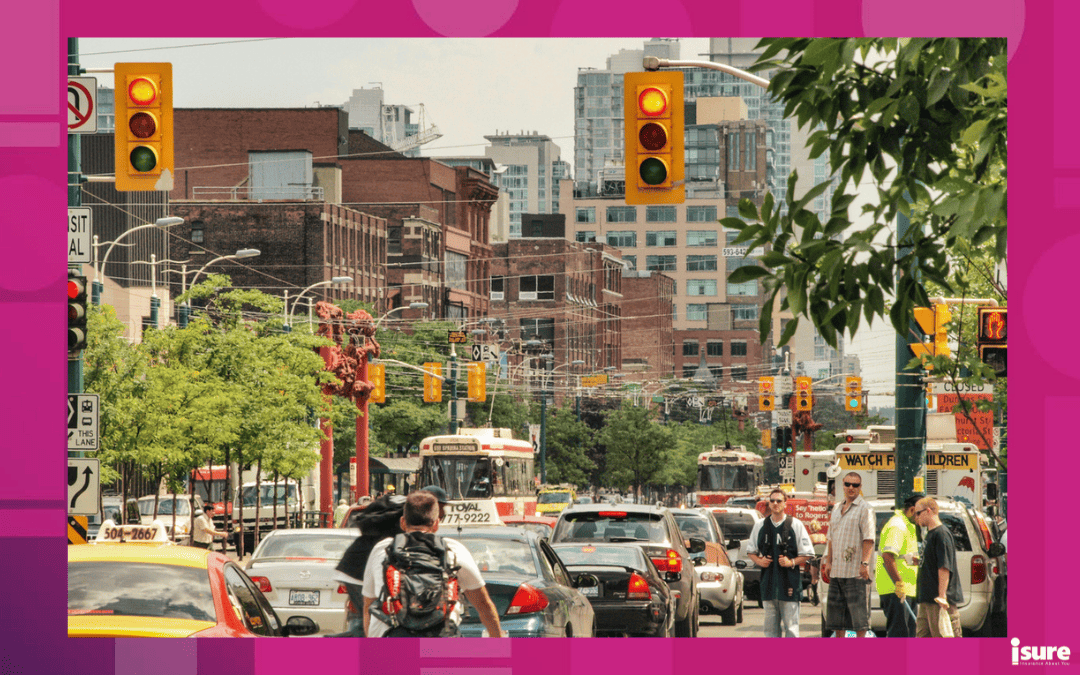
Anyone who has ever been in Toronto during the summer has asked the same question: Why is every road always closed? Driving downtown in Toronto during the summer can often feel like a maze of detours. From downtown gridlocks to constant slowdowns, summer traffic in Toronto can feel unavoidable. However, these disruptions are not random. We break down why there are so many summer road closures in Toronto and the two main factors behind that iconic summer gridlock.
How Construction impacts Toronto summer road closures
After months of freezing temperatures, salt damage, and wear, the city’s roads, pipes, and transit systems need attention. And because winter shuts most of that work down, it all arrives at once.
What does construction have to do with road closures in Toronto?
Toronto has a limited construction window in the summer. Weather cycles, like snow and ice that thaw, make roadwork difficult, and sometimes impossible, throughout most of the year. As a result, the city has to complete all road repairs within a short window between late spring and early fall. In short, summer is when Toronto fixes everything at once, which causes most road closures. Some key reasons constructions also spike in summer are:
- Roads and asphalt need warm weather to set properly
- Underground repairs (gas, water, utilities) are much easier
- Longer daylight working hours to help speed up projects
- Winter damage on the roads needs urgent repair
Why does traffic feel worse in the summer?
Toronto’s road network is dense and already heavily populated. When multiple streets are partially or fully closed, road congestion spreads quickly. Even a single road closure can disrupt the overall flow of traffic, but several overlapping projects create city-wide slowdowns. Here are some common causes of summer road closures and traffic in Toronto:
- Fewer driving lanes on major roads
- Increased population and tourism in the summer
- Limited detour route options in the downtown core
Drive with Confidence
Request your free car insurance quote now and get the coverage you deserve.


How Summer Events impact Toronto summer road closures
Construction is not the only reason for road closures in Toronto during the summer. Toronto’s summer is packed with events, concerts, festivals and sporting events, many of which require temporary road closures. This is not only for safety but also to help manage pedestrian volume.
Do concerts in Toronto cause road closures in the summer?
Definitely, yes. Major concerts at venues like Scotiabank Arena, The RBC Amphitheatre, and Rogers Stadium can lead to significant traffic restrictions and, in some cases, road closures. A single concert can bring in upwards of 50,000 attendees into one area at a time. This temporarily reshapes traffic patterns across downtown Toronto.
When tens of thousands of people attend a concert, the streets are often closed to vehicles and converted into pedestrian walkways. These closures are necessary for a few reasons:
- To help safely move large crowds of people entering/exiting the venue
- Emergency vehicle access to these overcrowded venues
- Reduced risk of accidents due to the increase in foot and vehicle traffic in the area
- Space for accessible transit paths and ride-share pickup zones.
How do sporting events impact road closures?
Like concerts, sporting events significantly impact local traffic. However, when it is something as large-scale as the 2026 FIFA World Cup, it will have an even bigger impact on local traffic. During a major sporting event:
- Streets near the stadiums are either fully or partially closed
- Security perimeters the venue and limits vehicle access
- Expanding pedestrian-only zones to deal with extra foot traffic
- Taking transit is recommended and prioritized over other vehicles
For everyday games like a Jays or TFC game, these road closures are only temporary. But for international events like the FIFA World Cup, closures may last longer and cover larger areas of the city. However, due to the World Cup, Toronto is expected to see increased traffic restrictions and road closures as it hosts tourists from around the world.
Will Toronto Summer Road Closures get better?
While the city is slowly working to make it more accessible for residents during the summer, such as by building new subway and LRT lines, closures will never disappear entirely. So it is crucial to take proactive measures:
Check traffic and closure updates before you leave
- Check navigation apps (Google Maps, Waze, etc.) before leaving
- Look for City of Toronto road closure updates
- Give yourself extra time to get to your destination, especially downtown
- Research what events are taking place in the city that day
Use public transit whenever possible
- TTC subway lines (less affected by surface road closures)
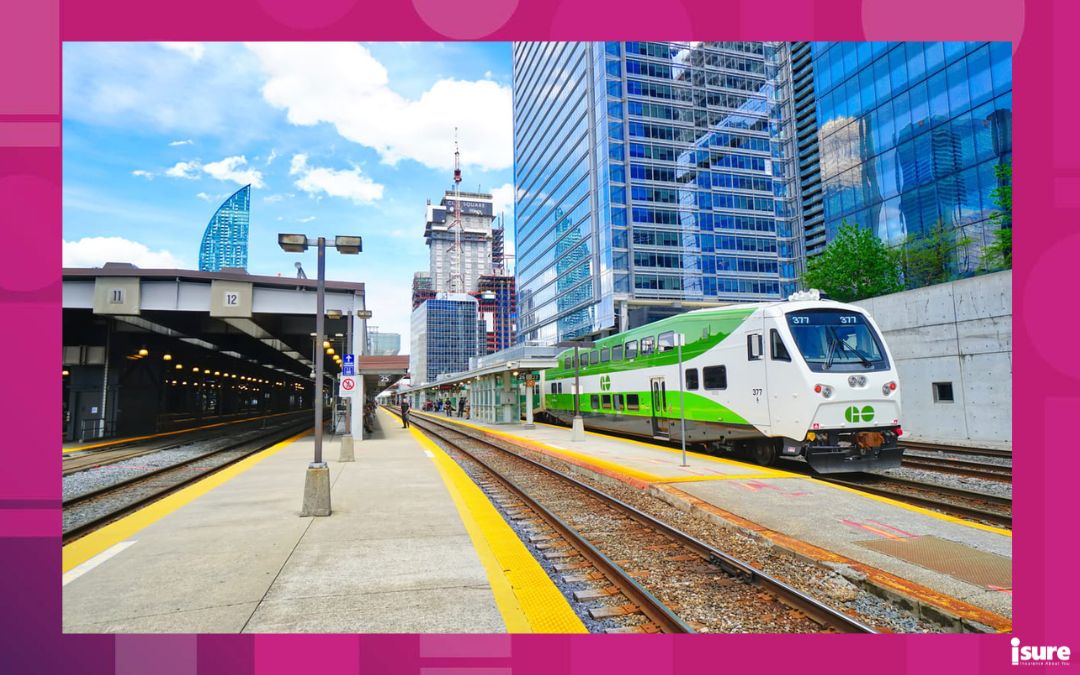
- GO Transit for longer trips
- Choose streetcar routes that have dedicated lanes to help avoid traffic
What are some Toronto summer road closure hotspots?
With major sporting events and preparations for international events like the FIFA World Cup, road restrictions in these zones may be more frequent and last longer than usual. While closures change week to week, these locations consistently see disruptions and are worth watching closely.
Downtown Core | Waterfront/ Exhibition Place | Entertainment District | Other (East-End, Liberty Village) |
Yonge St. (Bloor - Queen) | Lake Shore Blvd. West | College St. (Bathurst - Shaw) | East Liberty Street |
Bloor St. West (Yorkville/Annex) | Strachan Ave. | Dundas St. West (Ossington - Lansdowne) | Liberty Street |
Church St. (Wellesley/The Village) | Fort York Blvd. | King & Queen St West (partial closures) | Danforth Ave. (Broadview - Jones/Woodbine) |
Dufferin St. (South End) | Ossington Avenue |
While these disruptions can be frustrating, they also signal an active, growing, and globally connected city. With the right preparation, like checking closures ahead of time, using transit when possible, and planning flexible routes, getting around doesn’t have to be overwhelming. Plus, driving downtown can be stressful and may make you second-guess your coverage. If this is the case, contact one of our licensed and qualified brokers to help get you the coverage you need.

There is nothing more exciting than the hot sun and Read more
Planning to attend the 2026 FIFA World Cup in Toronto? Read more

Looking for ways to get out of the house and Read more