
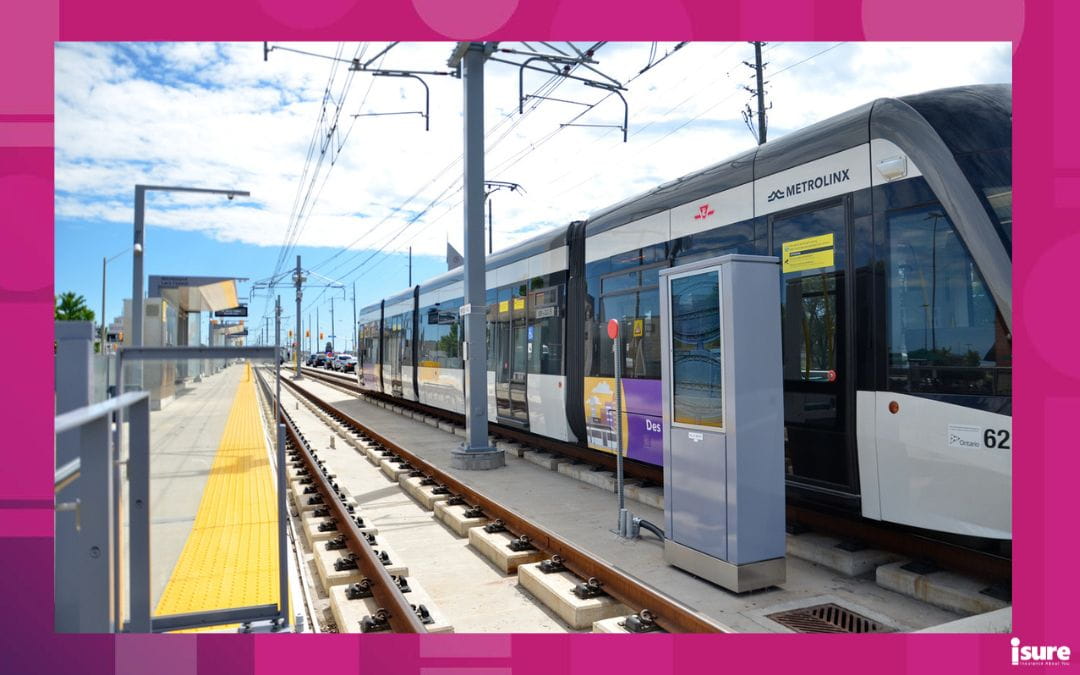
After nearly 15 years of construction, testing, and repeated delays, the long-awaited Eglinton Crosstown Light Rail Transit (LRT) has finally opened to the public this weekend. The officially titled Line 5 Eglinton represents a new chapter in the city’s transit network. The opening marks one of the most significant expansions of Toronto’s transit system in a generation, even as it arrives burdened by a history of delays, rising costs, and public skepticism.
A Quick Background
Construction on the Eglinton Crosstown began in 2011, with completion planned for around 2020. However, it faced years of delays due to technical issues, contractor disputes, testing complications, and rising costs. By the time service began, the project was known more for its delays than its efficiency. Due to multiple delays, construction on Eglinton Avenue disrupted commuters, residents, and business owners alike. As a result, reactions to the opening have been mixed. While there is some relief that the Eglinton Crosstown LRT has finally become operational, there is also frustration from its prolonged development.
What are the Specifics of the Eglinton Crosstown LRT?
The new LRT stretches 19km across midtown Toronto, running from Kennedy Station in the east to Mount Dennis in the west. The line includes 25 stations and stops, 10km of which span underground. The line is designed to dramatically improve lateral travel across one of the city’s busiest corridors.
The Crosstown is designed to replace crowded and unreliable bus service along Eglinton Avenue, offering faster and more consistent travel across a corridor that previously lacked rapid transit. By linking multiple TTC subway lines, GO Transit services, and dozens of bus routes, the line is intended to function as a central connector within Toronto’s broader transit network.
What are the First Impressions of the Eglinton Crosstown LRT?
Initial rider feedback has been largely positive. Trips that once required lengthy bus rides through congested traffic are now significantly faster, even during the early service phase. Riders have also praised the modern stations, smooth underground segments, and improved connections to subway and GO Transit lines. However, some concerns remain. On above-ground portions of the route, trains currently do not receive full transit signal priority at intersections, which can slow service. TTC transit officials say these systems will be adjusted over time, but critics argue the issue should have been resolved before the systems were deemed operational.
What Does The Eglinton Crosstown LRT Contribute to Toronto’s Transit?
- Line 5 connects with three TTC subway lines, dozens of bus routes, and regional rail services.
- The line uses a fleet of modern light-rail vehicles and features a 5G+ wireless network connection throughout the route. This includes the underground sections.
- Transit planners expect the Crosstown to reduce congestion, improve reliability, and reshape travel patterns across Midtown.
What does it mean for Toronto?
For daily commutes, the opening of Line 5 will have much bigger implications. Transit planners expect the line to reshape development patterns along Eglinton Avenue. Not only encouraging housing but also commercial growth near the stations. Additionally, the Eglinton Crosstown could help reduce car dependency across midtown in the long run. Therefore, making travel from east to west much faster and more predictable.
Final Thoughts
The TTC plans to increase service frequency and operating hours as it gradually moves toward full service. Officials say rider feedback from this period will inform operational improvements. While the opening of Line 5 does not erase the project’s troubled history and delays, it does represent a turning point. After 15 years of anticipation, disruption, and debate, the Eglinton Crosstown LRT has finally been actualized. Now, all that remains to be seen is how it will affect Toronto commuters’ daily lives.
Drive with Confidence
Request your free car insurance quote now and get the coverage you deserve.



Let's face it, living your day-to-day life as a Canadian Read more
Let's face it, the real estate market is undergoing significant Read more

As we all know, highways should be the quicker way Read more