
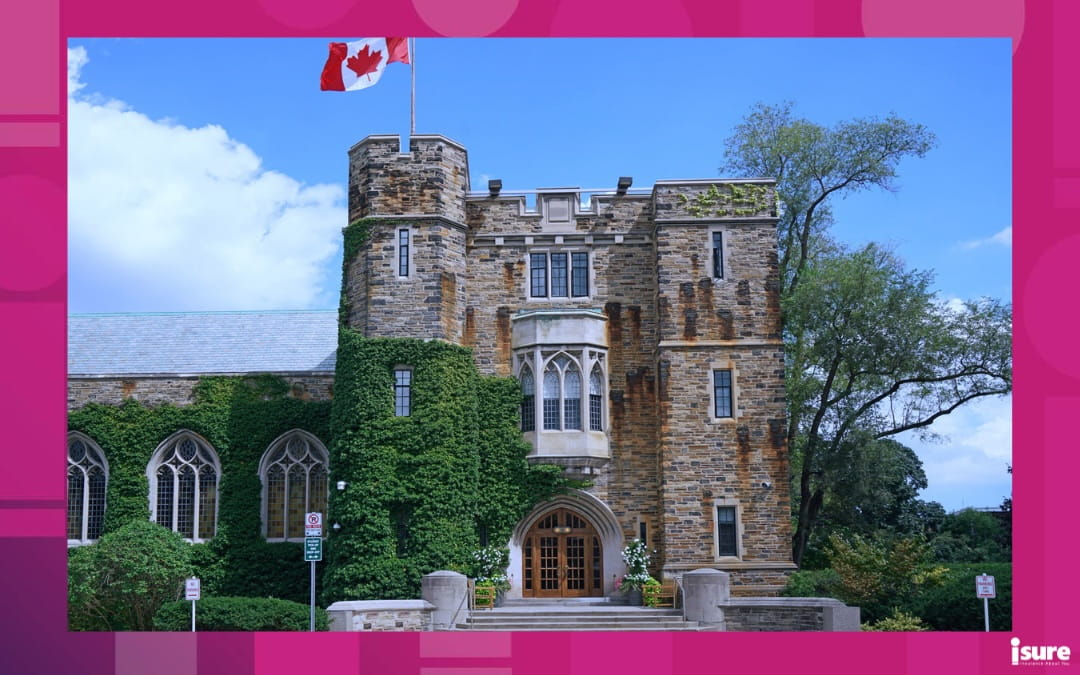
Private schools are a pivotal part of Canada’s education system. They provide independent learning environments, specialized academic programs, and alternative approaches to student development. However, along with these opportunities comes a plethora of risks. Commercial insurance is an essential component of a school’s risk management strategy.
From student injuries, property damage, cyberattacks and employment-related claims, commercial insurance helps to protect these educational institutions from both financial and reputational consequences. So, here is a breakdown of why commercial insurance is crucial for private schools and what coverage is needed.
Why do private schools need commercial insurance?
Private schools operate in a complex environment, involving heavy responsibilities for students and staff alike. Along with standard everyday activities that could lead to loss or legal issues, private schools also face risks associated with professional and employment decisions, governance, and data security. Moreover, private schools specifically face.
Comprehensive commercial insurance helps schools address risks that come with running an educational institution. However, educational institutions typically require a combination of insurance policies rather than a single standalone product. Commercial insurance helps to ensure that the school can continue operations in the case of a loss or legal claim.
What coverage does a private school need?
Commercial General Liability Insurance
First, commercial general liability insurance is the foundation of most insurance coverage for a private school. For example, in the event of an accident, educational institutions commonly purchase liability coverage limits ranging from $2 million to $10 million, sometimes more, depending on their size and risk exposure. It protects against any third-party claims that may involve:
- Bodily injury
- Property damage
- Personal injury
- Legal defence costs
Commercial Property Insurance
Private schools often invest heavily in their campuses, including classrooms, gyms, labs, libraries, technology and offices. Property insurance helps to protect these assets from covered losses such as:
- Fire
- Theft
- Vandalism
- Certain weather-related incidents (windstorms, snowstorms, etc.)
- Water damage
Additionally, for Canadian schools, property coverage should account for regional risks such as severe winter weather, frozen pipes, heavy snowfall, and ice-related damage to grounds.
Business Interruption Insurance
Next, business interruption insurance helps cover ongoing expenses and lost revenue if a covered loss suspends the school’s operations. This coverage can be extremely valuable if the school must be closed for an extended period due to major damages from a fire, major storm, or any other insured event.
Professional Liability Insurance/Educators Legal Liability
Unlike public schools, private schools face unique professional liabilities related to educational and administrative services and decisions. Within the private school sector, teachers are often expected to meet higher standards, and with greater responsibility comes a greater risk of failing to meet expectations. Therefore, educators’ legal liability, more commonly referred to as professional liability insurance, helps to protect staff members against any allegations involving:
- Negligence
- Improper disciplinary action
- Educational errors or omissions
- Failure to supervise
- Administrative decisions.
Abuse and Molestation Liability Coverage
One of the most crucial coverages for any educational institution is abuse and molestation liability insurance. Schools have a responsibility to protect and care for their students; however, unfortunately, allegations of abuse and/or molestation may occur. If this happens, it may lead to substantial legal costs, settlements, and reputational damage to the institution.
Therefore, this coverage is designed to assist with defence costs and claims arising from these allegations, involving employees, volunteers, or other individuals connected to the school. Given the seriousness of these allegations, insurers often require schools to implement extensive safety measures to protect students’ best interests. This may include:
- Staff security screenings
- Training and certifications
- Supervision protocols
- Well-documented child protection policies
Workplace Injury Coverage
In Canada, workplace injury programs are administered at the provincial level. Therefore, private schools should work closely with insurance and legal advisors to help them understand their provincial obligations regarding employee injury reporting, compensation requirements, and workplace safety.
While workers’ compensation systems differ across Canada, educational institutions must protect their employees by complying with provincial regulations. Here is a breakdown of regulations in each province:
Province/ Territory | Workers' Compensation Authority |
Ontario | Workplace Safety and Insurance Board (WSIB) |
British Columbia | WorkSafeBC |
Alberta | Workers' Compensation Board (WCB Alberta) |
Saskatchewan | Saskatchewan Workers’ Compensation Board (WCB Saskatchewan) |
Manitoba | Workers Compensation Board of Manitoba (WCB Manitoba) |
Quebec | Commission des normes, de l'équité, de la santé et de la sécurité du travail (CNESST) |
New Brunswick | WorkSafeNB |
Nova Scotia | Workers’ Compensation Board of Nova Scotia (WCB Nova Scotia) |
Prince Edward Island | Workers Compensation Board of Prince Edward Island (WCB PEI) |
Newfoundland and Labrador | WorkplaceNL |
Northwest Territories and Nunavut | Workers' Safety and Compensation Commission (WSCC) |
Cyber Liability Insurance
Canadian private schools collect and store large amounts of personal data from their staff, students, benefactors, and more. As cyber threats evolve and grow more sophisticated, educational institutions have become increasingly attractive targets for hacking and ransomware attacks. However, cyber liability insurance helps to mitigate risk by covering:
- Data breach response and recovery costs
- Public relations support
- Legal expenses
- Cyber extortion and ransomware incidents
- Forensic investigations
- Notification requirements
Directors and Officers (D&O) Liability Insurance
Most private schools are governed by a board of directors, trustees or other leadership groups that are responsible for strategic and financial decisions. Specifically for independent and nonprofit schools, Directors and Officers (D&O) liability insurance is often considered essential to attracting and retaining qualified board members. This type of liability coverage helps to protect board members and executives from claims alleging cases such as:
- Breach of fiduciary duty
- Mismanagement
- Failure of governance
- Financial oversight
- Regulatory disputes
Commercial Auto Insurance
Lastly, many private schools operate vans, buses, or other vehicles for transporting students. Private schools should also review whether they require coverage for rented, leased, or employee-operated vehicles used for school-related activities. Commercial auto insurance helps private schools protect against various claims such as:
- Vehicle collisions/accidents
- Third-party liability claims
- Physical damage to school-owned vehicles
- Property damage
Protect Your Business
Request a free commercial insurance quote today and keep your business secure.


What are the best risk management practices for private schools?
Finally, insurance works best when combined with proactive risk management strategies. By implementing effective risk management practices, private schools can help to protect everyone impacted. Key risk management measures include:
Take Appropriate Safety Measures When Hiring Staff: Establish comprehensive screening procedures for employees and volunteers, including criminal record and vulnerable sector checks.
Regularly Review Protective Measures: Developing and regularly reviewing child protection, student safeguarding and abuse prevention policies.
Provide Ongoing Training: Provide ongoing training for employees and volunteers on health and safety, emergency procedures, student supervision, and risk awareness.
Prioritizing Cybersecurity: Implementing cybersecurity controls to protect sensitive information about students, staff, or institutional operations. Helps protect from unauthorized access, data breaches, and other cyber threats.
Planning Emergency Responses: Maintaining written emergency responses, crisis management, and business continuity plans.
Conduct Routine Inspections: Inspect school buildings, grounds, equipment, and recreational facilities to identify and address potential risks.
Maintain Clear Procedures: Maintain clear procedures for incident reporting, investigation, and documentation.
Review your Coverage: Regularly review your insurance coverage, policies, and contracts to ensure that they remain aligned with the school’s operations.
Remembering to Put Safety First: Remembering to promote a culture of safety, accountability and compliance throughout the private school institution.
Additionally, strong risk management practices can help reduce losses, support regulatory compliance, demonstrate due diligence, and enhance a school’s overall insurability. In addition, insurers may view organizations with well-documented risk management programs more favourably when assessing coverage terms and premiums.
Final Verdict: Protecting Your Educational Institution
Overall, private schools in Canada face a diverse and evolving range of risks, from property losses and liability claims to cyber threats and employment disputes. A well-designed commercial insurance program provides the financial protection needed to navigate these challenges while supporting the institution’s educational mission.
If you are from a private school and are curious about your institution’s coverage, contact one of our licensed brokers today.

Which winter tires are top-rated? How do they affect insurance? isure Read more

Ever wondered how to know your brakes need replacing? Learn Read more

Don't let holiday shopping break the bank. Learn how to Read more