

save on auto
bundling home and autoLooking for ways to lower your car insurance premium in Ontario? Comparing quotes annually, maintaining a clean driving record, bundling policies, and maximizing discounts are some of the most effective ways to save without sacrificing coverage. Car insurance rates are based on factors such as your driving record, vehicle, location, and annual mileage. In 2026, many Ontario drivers are also facing higher premiums due to rising repair costs, vehicle theft, and severe weather claims. isure’s Car insurance Premiums guide explores 12 practical ways to reduce your car insurance costs, avoid common mistakes that increase premiums, and uncover discounts you may be missing.
Key Takeaways
Compare quotes annually instead of renewing automatically.
Maintain a clean driving record to qualify for lower rates.
Bundle your home and auto insurance when possible.
Consider a higher deductible if you can comfortably afford it.
Explore usage-based insurance if you drive safely or infrequently.
Ask about all available discounts every year.
Drive with Confidence
Request your free car insurance quote now and get the coverage you deserve.


Why are car insurance rates increasing in 2026
Ontario car insurance premiums continue to rise due to higher vehicle repair costs, increasing auto theft claims, inflation, and more vehicles on the road. Modern vehicles are more expensive to repair because of advanced technology, while growing theft and collision claims have increased costs for insurers. As a result, Ontario’s average car insurance premium increased by 4.45% in 2026. While factors such as theft, inflation, and repair expenses are beyond your control, you can help manage your costs by maintaining a clean driving record, comparing quotes annually, reviewing your coverage, and taking advantage of available discounts.
Many Ontario drivers have noticed that premiums have increased even when they have not made a claim. Several industry trends are contributing to higher costs across the province. While you can’t control inflation, vehicle theft, or repair costs, you can influence factors such as your driving record, annual mileage, deductible, vehicle choice, and available discounts. Reviewing your policy every year and comparing quotes remain two of the most effective ways to manage your insurance costs.
Insurers generally consider the following factors when calculating your rate:
Factors | Typical Impact |
Driving record | Very High |
Years of driving experience | High |
Vehicle make and model | High |
Postal code and location | High |
Annual kilometres driven | Moderate |
How the vehicle is used (commuting, business, pleasure) | Moderate |
Coverage limits and deductibles | Moderate |
Claims history | High |
Car Insurance Premiums 2026 Guide: 12 Ways to Lower Your Rates
1. Maintain a clean driving record
Avoiding speeding tickets, distracted driving convictions, and at-fault collisions remains one of the most effective long-term ways to reduce premiums. Many insurers offer better pricing to drivers who remain claim-free for several years.
2. Compare quotes every year
Renewing automatically can mean missing better rates available elsewhere. Comparing quotes annually helps ensure your premium remains competitive, especially if your driving history or mileage has improved.
3. Bundle your policies
Combining auto and home insurance with the same insurer can often qualify you for a multi-policy discount. In 2026, many Ontario insurers continue to offer bundling discounts in the 10%–25% range, although the exact savings vary by company and policy type.
4. Increase your deductible
Raising your collision or comprehensive deductible can lower your premium because you agree to pay more out of pocket if you make a claim. This strategy works best if you have enough savings to cover the higher deductible comfortably.
5. Drive fewer kilometres
If you work from home, have a shorter commute, or use public transit regularly, update your annual mileage estimate. Lower mileage can reduce risk and may qualify you for a lower premium.
6. Consider usage-based insurance
Usage-based insurance programs monitor factors such as mileage, braking, acceleration, and time of day driven. Drivers who demonstrate safe habits may qualify for meaningful savings, particularly if they drive infrequently.
isure’s Car Insurance Premium guide can help you keep the coverage you need, while keeping your costs down. Contact one of our brokers today to discuss your policy!
7. Choose a vehicle that costs less to insure
Vehicles with strong safety ratings, lower theft rates, and lower repair costs are often cheaper to insure. Before purchasing a new vehicle, request insurance quotes for several models to compare the long-term cost of ownership.
8. Ask about every available discount
Often overlooked, many Ontarians forget to explore common discounts that can result in a fair amount of savings on their yearly premiums. Discounts such as multi-vehicle, winter tires, retiree, professional or alums group discounts can help lower your premiums. Participating in telematics or usage-based insurance programs can also reduce costs, along with loyalty discounts offered by your insurer.
For a full explanation of each of the discounts mentioned above, please click here.
9. Remove coverage you no longer need
For older vehicles with a low market value, paying for collision coverage may not always be cost-effective. Review this decision carefully with a broker before making changes, since removing coverage can leave you responsible for repair costs after an accident.
10. Improve vehicle security
Installing approved anti-theft devices, tracking systems, or immobilizers may help reduce premiums for some vehicles, especially models frequently targeted by thieves.
11. Keep continuous insurance coverage
A lapse in coverage can make you appear riskier to insurers. Maintaining continuous insurance coverage, even when changing vehicles or companies, can help preserve access to preferred rates. If you cancel a policy intentionally, you can avoid this by notifying your insurer and paying any outstanding fees. Letting a policy lapse due to non-payment is seen as a red flag and can severely impact your record.
Use our isure Cancellation Calculator to estimate how much you’ll owe if you cancel early.
12. Work with an insurance broker
A broker can compare rates from multiple insurers, identify discounts, and review whether your current coverage still fits your needs. This can be especially helpful after major life changes such as moving, retiring, buying a new vehicle, or adding a teenage driver to your policy.
Which strategies have the biggest impact on your auto insurance?
Strategy | Potential Savings | Difficulty |
Compare quotes annually | High | Easy |
Bundle policies | High | Easy |
Maintain a clean driving record | High | Medium |
Choose a lower-risk vehicle | High | Medium |
Increase deductibles | Moderate | Easy |
Usage-based insurance | Moderate | Easy |
Reduce annual mileage | Moderate | Medium |
Our Car insurance Premiums guide helps to lower your premiums by making the best choices for you. Listed below are some of the more common mistakes car owners make that inadvertently add extra costs to their insurance bill:
Renewing automatically without comparing quotes.
Underestimating annual mileage and later reporting a much higher amount.
Missing premium payments and creating a lapse in coverage.
Adding optional coverage without reviewing whether it still fits your needs.
Ignoring available discounts.
Choosing a vehicle based only on purchase price rather than insurance costs.
Even small administrative issues, such as missed payments or outdated mileage information, can affect your rate.
Car Insurance Premiums Guide: Ontario FAQ
Comparing quotes from multiple insurers and asking about all available discounts are usually the fastest ways to find immediate savings.
Yes. A higher deductible often lowers your premium because you agree to pay more out of pocket if you make a claim.
Will my insurance go down if I drive less?
It can. Lower annual mileage generally means less exposure to risk, which may result in a lower premium.
Is usage-based insurance worth it?
Depends on habits. For many safe drivers and people who drive infrequently, usage-based insurance can provide meaningful savings. Drivers with aggressive braking, speeding, or frequent late-night driving may see less benefit.
Can switching insurance companies save money?
Yes. Rates vary significantly between insurers, so shopping around at renewal time can help you find a better price for similar coverage.
How often should I review my policy?
Every year. Review your policy at least once a year and whenever you move, buy a new vehicle, retire, or change how much you drive.
Bundle All of Your Policies for Maximum Savings!
Speak with an isure broker to find out how.
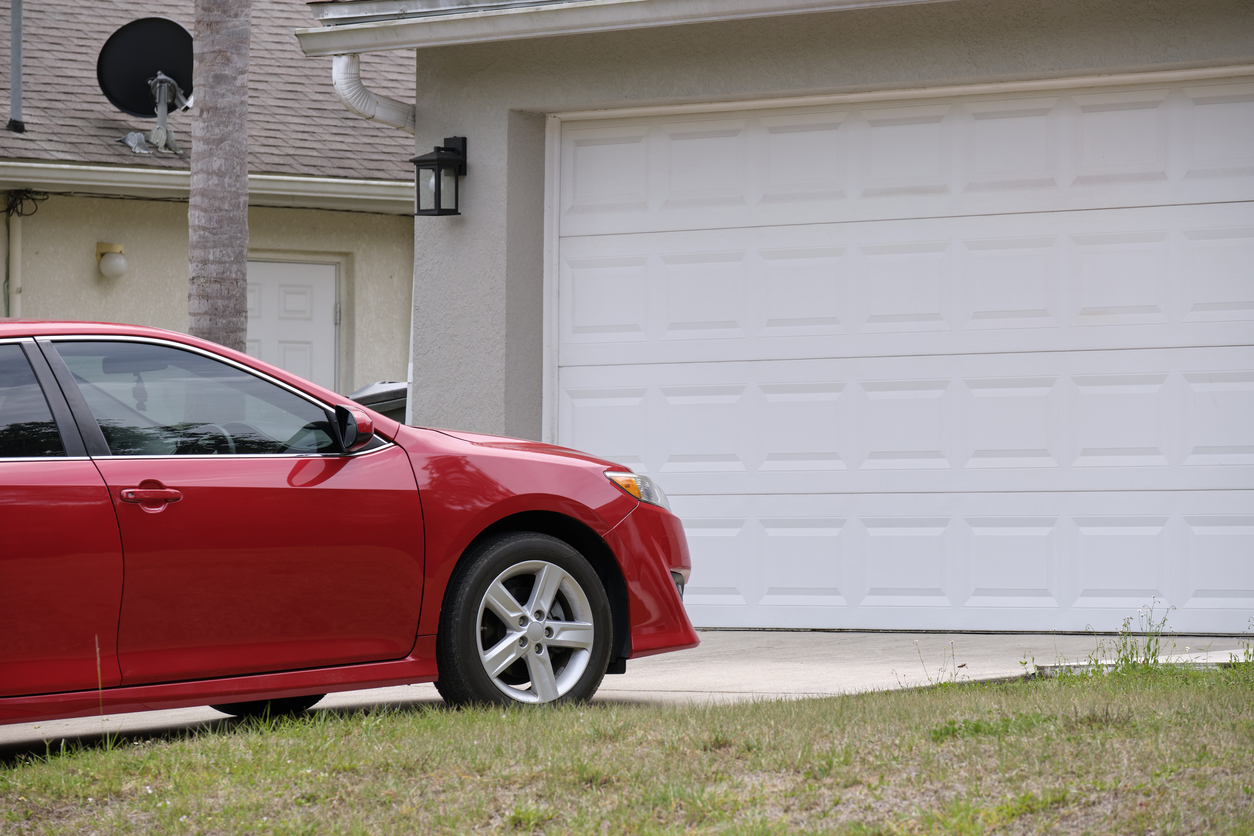
Ontario car insurance premiums are influenced by factors such as your driving record, vehicle, location, and annual mileage, but you still have several opportunities to reduce your costs. The most effective strategies for 2026 are to compare quotes annually, bundle policies, maintain a clean driving record, and review your coverage with a broker every year. We hope our car insurance premiums guide will help you navigate determining what your auto insurance premiums should be. These steps can help ensure you are not paying more than necessary while keeping the protection you need on the road. If your premium has increased recently, now is a good time to review your policy and ask whether your current insurer is still offering the most competitive rate for your situation.

At isure, we care about our customers! Read our full Read more

Canadian households have been feeling the squeeze from all angles Read more
Your driving record is one of the most crucial factors Read more