

As the weather begins to warm up in Ontario, construction sites will start to reopen and resume work. You may see a sign that reads “Construction zone ahead!” or a road flagger controlling traffic. This will result in road congestion and confusing driving conditions. We thought it would be a good idea to collect all construction zone signs and speed limit rules in Ontario.
What is a “Construction Zone”?
First, it’s important to clarify what constitutes a construction zone in Ontario. A construction zone is an area marked with any form of traffic control signage, such as pylons or an actual sign. Secondly, the markings will be around the zone, making it apparent where not to drive or walk. As a result, it’s very important to slow down and be extra aware when driving adjacent to or even through an area like this.
What is the Speed Limit in a Construction Zone?
Similarly, understanding the speed limit rules surrounding construction zone signs is also crucial. This is where the rules can become confusing, and they will vary depending on the specific construction site. Most construction zone speed limits in highway zones typically range between 50 km/h and 70 km/h, with lower limits on secondary roads. It’s essential to adhere to speed limits for several reasons. One of which is that the fines for speeding can double in and around construction sites. Drivers in Ontario can receive fines of up to $500 and gain up to three demerit points for speeding in one of these areas.
What Are Some Common Construction Zone Signs?
For some extra clarity, here is a diagram featuring all of the construction zone signs you can encounter in Ontario:
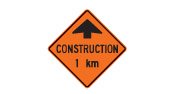
Construction work is one kilometre ahead.
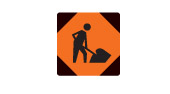
Road work ahead.
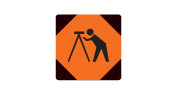
Survey crew working on the road ahead.
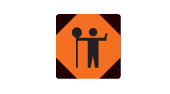
Traffic control person ahead. Drive slowly and watch for instructions.
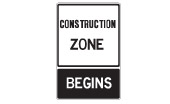
You are entering a construction zone. Drive with extra caution and prepare for a lower speed limit.
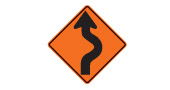
Temporary detour from normal traffic route.
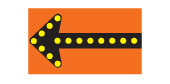
Flashing lights on the arrows show the direction to follow.
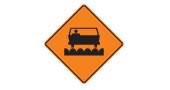
Pavement has been milled or grooved. Your vehicle’s stopping ability may be affected, so obey the speed limit and drive with extra caution. Motorcyclists may experience reduced traction on these surfaces.
The lane ahead is closed for roadwork. Obey the speed limit and merge with traffic in the open lane.
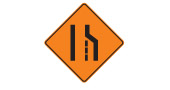
Closed lane. Adjust speed to merge with traffic in the lane indicated by the arrow.
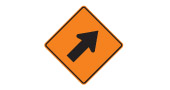
Do not pass the pilot vehicle or pace vehicle bearing this sign.
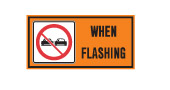
Reduce speed and prepare to stop.
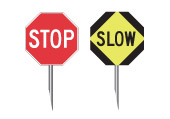
Follow the detour marker until you return to the regular route.
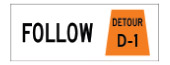
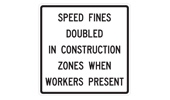
Enforces doubling the HTA fines for speeding in a designated construction zone when there are workers present.
All signs and photos via ontario.ca
Fines and Insurance: What You Should Know
Beyond fines and demerit points, receiving a speeding ticket in a construction zone may affect your car insurance premium. Insurance providers often view these tickets as higher risk because they suggest unsafe driving behaviour in sensitive areas. If you’re unsure how this might affect your policy, it’s a good idea to contact your insurer for clarification.
Why Are These Zones So Strictly Regulated?
Construction zones pose increased risks not only for drivers but also for workers and pedestrians. Workers are often just metres away from moving traffic, sometimes with minimal barriers in place. Reduced speed limits are enforced to protect these workers and to allow drivers more time to react to sudden changes, such as lane shifts, equipment moving onto the road, or a flagger stepping out to direct traffic.
Tips for Driving Through a Construction Zone Safely
Here are a few practical safety tips for navigating construction zones in Ontario:
- Watch for Workers/Equipment: Workers may be on foot or operating heavy machinery near/on the road.
- Obey Traffic Signs/Flaggers: Flaggers are legally authorized to direct traffic and just be obeyed like any other regulatory sign (traffic lights/stop signs).
- Stay Alert/Eliminate Distractions: Construction zones can change quickly, so avoid using your phone/fiddling with the radio in your car.
- Avoid Sudden Lane Changes: Follow any marked lane shifts and try to merge early when lanes are about to close.
- Be Patient: When travelling through construction zones, expect delays. So, to help combat this, leave extra time for travel. Additionally, aggressive driving is not only dangerous but can also result in severe fines.
We hope this article clarifies some of the questions you may have about construction zone signs and speed limit rules in Ontario. If you have any questions about how your car insurance policy may be affected by anything in this article, please reach out to a member of our isure team. Happy spring driving!

One common question people ask about is whether driving tickets Read more
With over eight million drivers on the road, we are Read more
Got a speeding ticket? Here’s what it could mean for Read more