
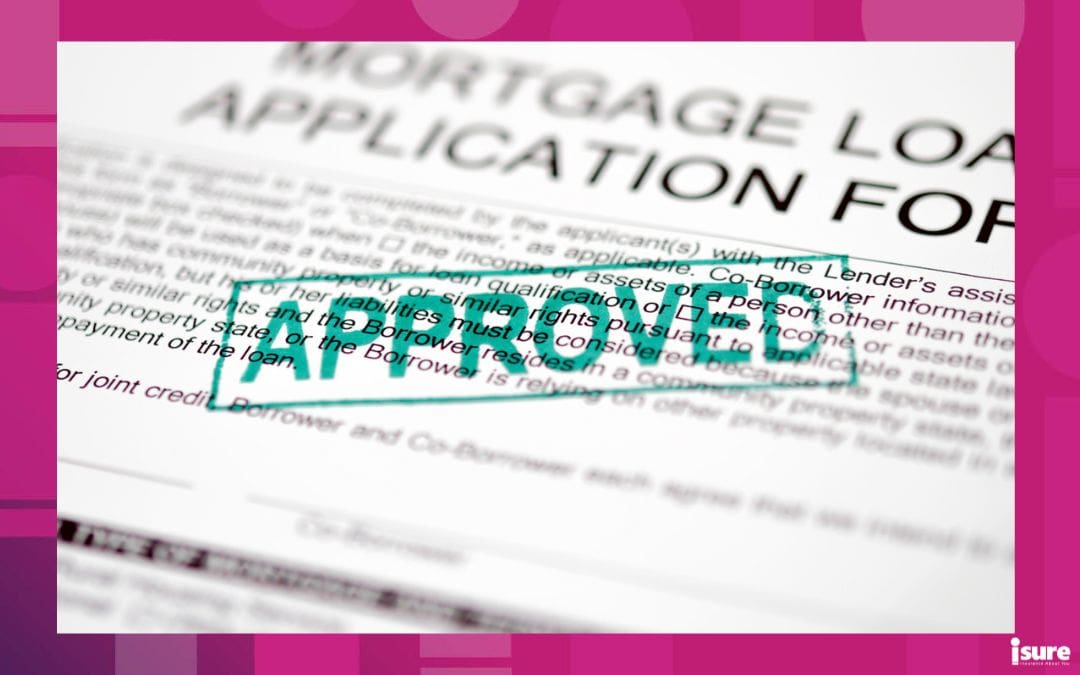
Obtaining a mortgage approval these days can be a significant challenge, particularly with housing prices on the rise. In Toronto, for instance, you’ll be paying over $1.3 million for a home, though this is nearly $ 100,000 less than the average price in 2024; it’s safe to say homes are still a pricey investment. A high credit score will not only help you secure a mortgage, but it can also help you win a favourable rate. Let’s dig deeper into the mortgage and credit score connection.
Does My Credit Score Impact My Mortgage Qualification?
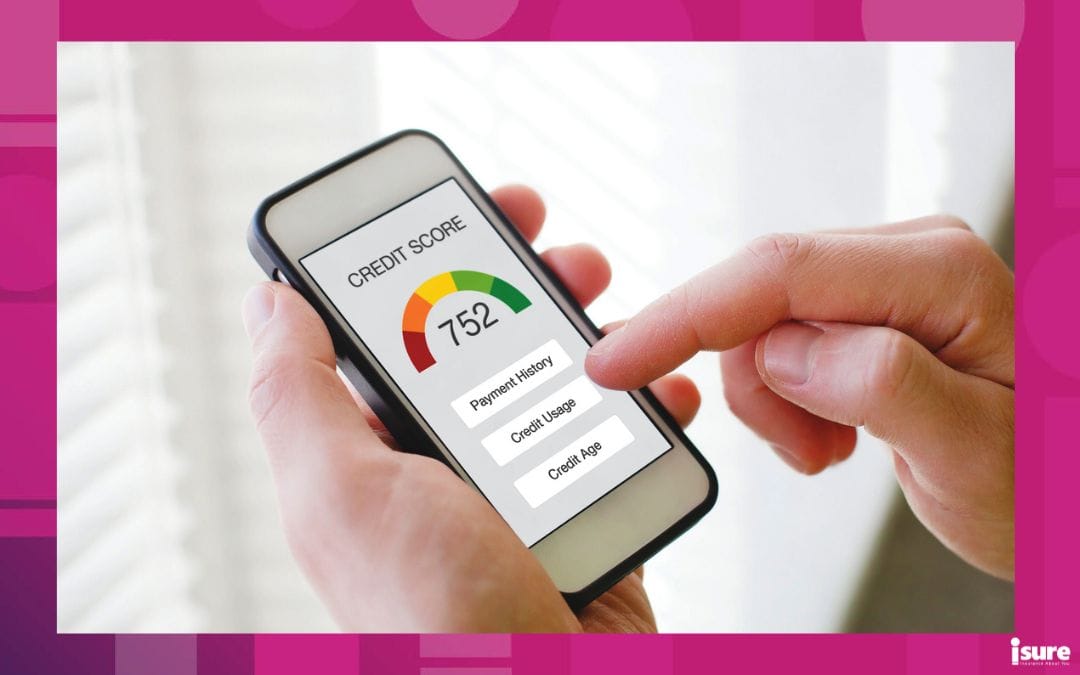
Your credit score is one of the primary ways lenders assess an applicant’s creditworthiness. A good score tells lenders that you pay your bills on time; the higher your score, the more likely they are to work with you. Credit scores are set in ranges. For every 20-point increment that your credit score drops, you’ll likely see small changes in the interest rate you’re offered. Lenders typically adjust their offer rates each time your credit score increases or decreases by 20 points. Although different sources may set their ranges slightly differently, here’s a breakdown of each level from Borrowell.com, so you can see how they are categorized:
- A score of 741+ is considered “excellent,” and you can expect to qualify for the best rates.
- A score between 713 and 740 is “very good” and can expect approvals at the lowest rates.
- Between 660 and 712 is a “good” credit score and will qualify for a mortgage. However, not at the same low rates offered to those with a score of 660 or higher.
- At 575 to 659, this “fair” rating will allow those with 620+ to qualify with a traditional bank.
- 300-574 is deemed to be a poor credit score and will be considered “high-risk”. You may have to apply to a private mortgage lender, which will charge higher interest rates.
What Credit Score Do I Need to Secure a Mortgage?
Depending on the lender, you might be considered with a score within the range of 620 to 680. But credit scores alone aren’t the determining factor. If you were to have a high income and a low debt amount, you might be able to qualify with a slightly lower score. Having a low income and a high debt ratio will make it much more difficult. According to loanscanada.ca, the loan amount required and the amortization requested will also influence the credit score needed for your mortgage approval. The amortization period is the amount of time the lender will give you to repay your mortgage fully. For a higher loan amount, lenders may require a higher credit score, as they will be concerned about the associated level of risk.
Factors Considered by Mortgage Lenders
Besides your credit score, mortgage lenders consider a variety of factors before they approve or decline your mortgage application:
- Your income
- Your employment record
- Your general expenses
- The amount you’re planning to borrow
- Your current debts
- The amortization period
Lenders also want to see that you have a favourable history of debt management. Your credit report will also be requested, as it reflects your payment history. Therefore, even if you have a credit score of above 650, some red flags may be raised if you show a pattern of debt and payment problems on your report.
Home Insurance and Credit Scores
Insurers are allowed to use your credit history to determine your premium. According to a report by Marketplace, in some cases, this has resulted in a homeowner’s premium doubling after insurers have discovered that the policyholder has a poor credit score.
Unfortunately, there’s no recourse for when this happens. Insurance companies have long maintained that there is a strong correlation between credit scores and increased insurance risk.
However, some critics argue that using credit history unfairly punishes newcomers to Canada, the poor, and people with disabilities. Because Canada’s regulations on this differ from province to province, you should ask your insurer whether they are using your credit history to determine your insurance premium. That can help you understand why the price you’re paying may be too high.
Credit Scores and Mortgage Default Insurance
Your credit score also affects your eligibility to receive mortgage default insurance. For buyers, putting down less than 20% on their mortgage loans means they will be required to obtain mortgage insurance. This measure is put in place to protect lenders from defaulting loans. This is also why, according to the Canada Mortgage Housing Corporation, you’ll need a minimum credit score of 600 to receive insurance.
How to Obtain a Mortgage With Bad Credit
Although a bad credit score can limit your ability to qualify for a mortgage, you may still have options:
- Improve your credit score: The wise choice is to hold off on applying for a mortgage and try to improve your credit score. By doing this, you will not only qualify for a mortgage but also be offered better options.
- Make a larger down payment: Putting down 20% or more allows you to have more leverage when working with lenders. It can also help reduce your mortgage payments.
- Use an alternative mortgage lender: Major banks will not lend money to those with a credit score below 600. They will require a down payment of 20-35%, and your interest rates will be higher as a result. In addition, extra fees are added to the overall cost, ranging from 1% to 2% of your mortgage’s value.
- Get a co-signer or a joint mortgage: A co-signer promises to make your payments if you’re not able to. They can make it easier to apply to traditional lenders because they are putting up their credit history and income to help you qualify.
Conclusion
The mortgage approval process can be complicated, but having a strong credit score can give you more options. The connection between mortgage and credit score is an important consideration when lenders determine whether you will qualify. Before undergoing the stress test that occurs during the mortgage approval process, contact one of our isure representatives to discuss how homeowners’ insurance can protect your investment. Contact us or request a quote today!

Buying your first home can be daunting—and the list of unknowns Read more
Your credit is a reflection of your actions and unforeseen Read more

Buying your first home can be both exciting and terrifying. Read more