

The Holidays can be a joyous time of year. However, from countless commutes to see family and friends to hosting get-togethers, it’s no wonder it’s considered the busiest time of year. So, whether you are jolly or grinchy, knowing that the holiday season brings several unique risks that could affect your homeowner’s insurance policy coverage is essential. Unfortunately, it can also lead to a claim! Luckily, isure has everything you need to know about the situation. Here’s how increased holiday risk may affect your home insurance.
Holidays and Home Insurance
Homeowners’ insurance is a form of property insurance that covers losses and damages to an individual’s house and assets inside the home. Your policy usually covers interior and exterior damage, as well as loss or damage to personal assets. Homeowners also purchase it to protect themselves against liability in the event of an injury on the property.
These types of insurance policies cover specific perils, and coverage types vary, though they share some essential elements.
Homeowners’ Policy Coverage
- Dwelling coverage: This covers the building and attached structures, such as garages and carports. Typically, home policies cover damages caused by explosions, fire, lightning, sleet or snow, theft, and vandalism.
- Other structure coverage: Covers detached structures, like sheds, fences, and pergolas.
- Personal property: Covers your home’s contents, including appliances, clothing, some electronics, and furniture.
- Personal liability: Coverage applies to incidents in which you (the homeowner) are at fault for injuries or property damage, including bodily injuries or property damage to someone outside your household while on your property, or damages or injuries caused by your child. It will also pay for your legal fees if you are sued for these damages.
- Additional living expenses: (Loss of use) This coverage helps pay your living expenses if a covered peril, such as a fire, forces you to move out temporarily.
- Medical payments: This coverage helps pay the immediate medical expenses of an injured guest, regardless of who is at fault.
How Do Holidays Affect Your Home Insurance?
Many types of damage can affect your home insurance during the holiday season. Besides the extra stresses, the hustle and bustle of everyday life increases the risk of incidents. However, the types of damage most common during the holiday season are:
1. Theft & burglaries
2. Guest Injuries/slip and fall accidents
3. Fire hazards
Standard homeowner’s insurance generally covers these three main types of risks. That said, you should always confirm what your insurance provider covers. In most cases, a standard homeowner’s policy will cover holiday-related mishaps. Let’s look at each and how these added risks during the holidays may affect your home insurance.
Theft of Expensive Presents and Endorsements
Christmas gifts around the house can increase the risk of theft claims. If property worth more than your deductible is taken, your insurance may cover it. Your home insurance policy typically covers the contents of your home, known as Personal Property. If you’re planning on giving (or end up receiving) a gift that’s on the more expensive side this holiday season, let your insurance provider know right away. They can ensure it’s covered under your policy!
However, it is essential to note that every home insurance company treats valuables coverage differently. According to the Insurance Information Institute (III), many home insurance companies include only $1,500 in jewelry coverage in standard policies.
Also, your current policy may exclude high-value items such as fine jewelry, furs, art, and antiques. Should a theft or burglary occur at home, basic personal property insurance may not cover those items. Therefore, purchasing a separate policy or rider for your existing policy is essential to protect these high-ticket items. Also known as “floaters,” these endorsements cover losses of any type, including those your homeowners’ insurance policy will not cover, such as accidental losses, i.e., dropping your ring down the kitchen sink drain. Purchasing an endorsement will raise the premium but result in a higher payout after a covered loss. It is essential to consider buying a Personal Articles Floater. This provides all-risks coverage for theft and mysterious disappearances. This will also reimburse you for any mishaps, such as a diamond falling out of a ring.
Holidays and Home Insurance: Reduce Your Risk While Entertaining
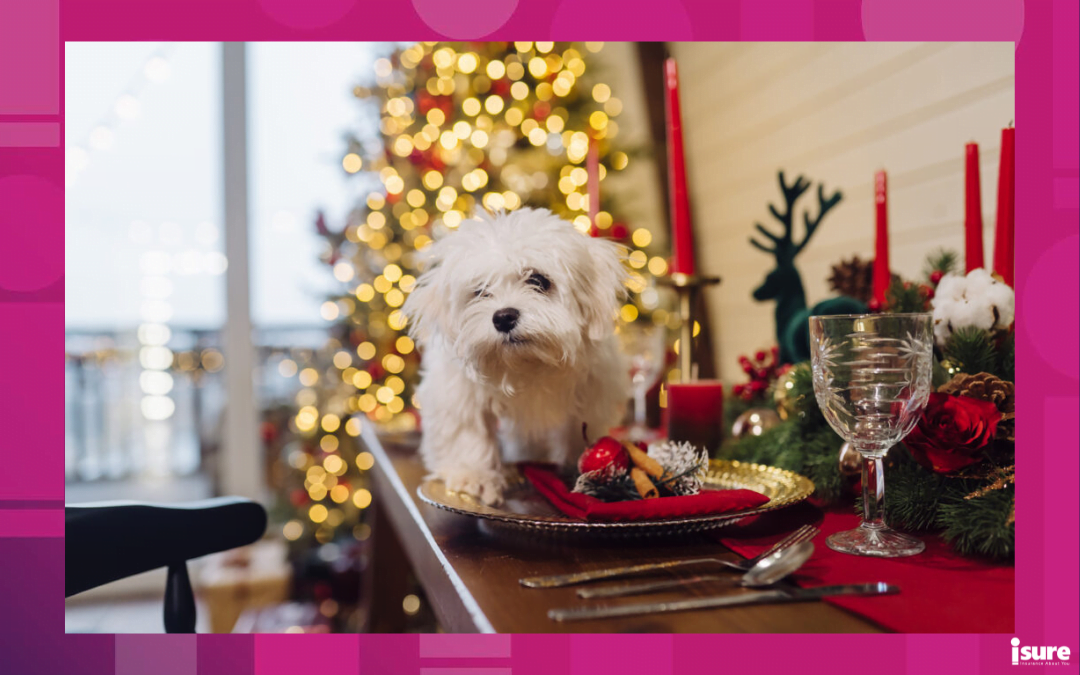
Planning to host a holiday party with some friends or family? Preparing food and drinks is essential, but don’t forget to prepare your home, as well (and we don’t mean party favours!) Take a good look at your home’s layout after all the holiday decorating is complete. Does the extra seating interfere with guests’ ability to walk around freely? Have you ensured your walkway is safe by removing snow, applying salt, and ensuring it is well-lit? Look at the home repairs you haven’t gotten to, such as fixing faulty railings, steps, or other walkway maintenance.
Always remember that, as the party host, you are responsible for ensuring your guests’ safety. Unfortunately, even with the best-laid plans, accidents can and do happen. It can be as innocent as a friend slipping on a wet floor or someone overly intoxicated injuring themselves or others. Keep an eye on your guests and be mindful of potential hazards that could cause injury. If someone spills a drink on the floor or a glass breaks, clean it up quickly so no one gets hurt.
What Are My Insurance Options for Parties?
There are several musts to consider when choosing your insurance options. You’ll want to get a liquor license and liability insurance if you’re having a formal company event or a large gathering. It’s easier than you think! A Special Occasion permit from the LCBO is only $25, and Liquor liability insurance is as low as $150 for one event. If you’re hosting a party for a few people at your condo or apartment, you only need condo or tenant insurance, since liability coverage is what you really need. One or two million dollars in coverage is the norm, and you may also want to consider an umbrella liability policy that covers you for higher liability limits, such as five or ten million dollars.
And remember that it’s within your power to minimize your risk. For example, you can hire a bartender to control who drinks what, encourage the use of designated drivers (or taxis and rideshares), serve food, and stop serving alcohol an hour or so before everyone leaves as an added precaution. This is a great way to avoid the many ways the holidays may affect your home insurance.
Holidays and Home Insurance: Fire-Fighting Tips for the Holidays
According to the National Fire Protection Association (NFPA), most fires occur between December 15 and 31. This comes as no surprise! Knowing the most significant triggers is essential, as many fire safety hazards occur during holidays. The top holiday fire starters are Christmas trees, lighting equipment, cooking, candles, and fireplaces.
1. Christmas Trees
While the percentage of house fires caused by trees has decreased in recent years, they still account for almost one-third of holiday fires. The good news is that whether your tree is real or fake, it’s rare for them to catch fire. If you’re using a real one for the fresh pine air, keep it well-watered and away from heat sources because it can become flammable. Dried-out Christmas trees caused more than 29% of home fires this past January. On the other hand, choosing an artificial tree is the safer option, but make sure it is fire-resistant; you will see a fire-resistant label when buying. When setting it up, ensure the base is sturdy to avoid tipping or falling over.
2. Lighting Equipment
While using powered ornaments to decorate and large quantities of Christmas lights to string across the house, fence, and trees, be wary of the risks. There are precautions to consider when adding more lighting equipment and power cords. The Toronto Star reported that the NFPA has indicated a 27 percent increase in electrical-related fires on its website. It is recommended to limit a circuit to no more than 1400 watts. Also, please check the light strings periodically to ensure they are not warm to the touch. LED lighting is recommended because it produces little heat, reducing the fire risk. Check all cords to ensure they have a good connection and that any plug-in ends don’t get buried in the snow. Above all, turn off all holiday lighting before going to bed or out for the evening.
3. Cooking
Historically, the holiday season has seen more cooking-related fires than any other time of year. Here are some precautions to take when preparing holiday meals:
- Keep kids at least three feet away from stoves and ovens. Or, make your kitchen a kids-free zone during holiday meal preparation.
- Plug cooking appliances into an outlet, not an extension cord.
- Always remain in or near your kitchen while cooking. Don’t cook your holiday turkey or ham overnight while asleep or away from home.
- Never use a deep-fat turkey fryer indoors, even in a garage. Place it on concrete at least three feet from dry grass or shrubs, or purchase an oil-less turkey fryer for safer cooking.
- Clean grease from stove tops and countertops to avoid possible flare-ups.
- Keep your surfaces clutter-free so you have somewhere to put that hot pan when you take it out.
- Having a fire extinguisher nearby is key! If your food or tree catches fire, you’ll want the tools to put it out quickly and effectively. The worst times make the best stories when there is a positive outcome, and buying one will only cost you about $30. This simple, inexpensive purchase will be crucial to ensuring your holidays remain hazard-free.
4. Candles
Although festive, candles have accounted for 57% of home decoration fires. Candles are placed in the middle of decorative greens as a table ornament. As the holidays get hectic, people often forget they are still burning before leaving to visit friends or heading off to a restful slumber. As the candle burns down, it ignites the surrounding combustible materials, which can then spread. A candle fire during the holidays may affect your home insurance policy due to an unexpected claim.
5. Fireplaces
Nothing says winter and Christmas like a roaring fire. It’s a unique home feature during the winter holidays that helps fuel festive spirits. But, before striking a match, be sure you have kept up with its maintenance. The Canada Safety Council offers tips to enjoy your fireplace safely this winter:
- Make sure fire alarms and carbon monoxide alarms are working.
- Place a fire extinguisher nearby.
- Do not store newspapers and other combustibles near your fireplace.
- Have your chimney professionally cleaned and serviced annually to prevent the buildup of tar and creosote.
- Check for hazards often, such as excessive soot or rust.
- Never leave pets and children alone around a burning fire.
- Don’t leave your house unattended when a fire is burning.
- Only burn small amounts of dry, well-seasoned wood.
No matter what type of fireplace you currently have, be sure you understand the risks with ownership. Always practice fire safety, and make sure your isure broker knows about your fireplace.
Are you a business owner? Here are our top tips on closing your business for the holidays.
Whatever the occasion is, there is nothing like celebrating special events and holidays at home with friends and family. Remember, with some preventative planning, you can reduce your home holiday risk while entertaining this year. When it comes to holidays and home insurance, isure has you covered. Discuss any holiday plans or purchases affecting your homeowner’s policy with your isure representative. Contact us or request a quote today!
Safeguard Your Home
Get a free home insurance quote today and protect what matters most.


The month of December teems with many types of holiday Read more
Before you get on the ladder, check out our guide Read more

Did you know that as a party host in Ontario, Read more