
We spend more time in our homes over the holidays than at any other time of year. Things can quickly go awry with more people around and more hustle and bustle. Whether it’s an accident in your home or a break-in, December is one of the busiest months for insurance claims. This article gathered a list of some of the most common holiday insurance claims.
1. Christmas Tree Lights
Nothing is more nostalgic than the smell of the pines from a real Christmas tree. If you celebrate the season with a real tree, ensure they are kept well-watered and not placed in front of a heat source. You also need to be mindful of what you put on the tree. Most Christmas tree fires are caused by lightning, followed by decorative lights and wiring. Faulty lights or lights hung on a dry tree can be a significant fire hazard. Similarly, placing a tree too close to a heat source or using an artificial tree that isn’t flame-resistant can cause substantial fires. If you are considering having a real Christmas tree, note that the costs steadily increase each year, so be aware of this. Ontario’s popular Fraser Fir tree will run you $89 before tax.
Tip: Shut off the lights and electronic ornaments when you’re not at home or out of the room for an extended period. Opt for LED lights to reduce fire risk. LED lights operate at a lower voltage and generate less heat, which makes them a safer alternative.
2. Naked or Open Flames
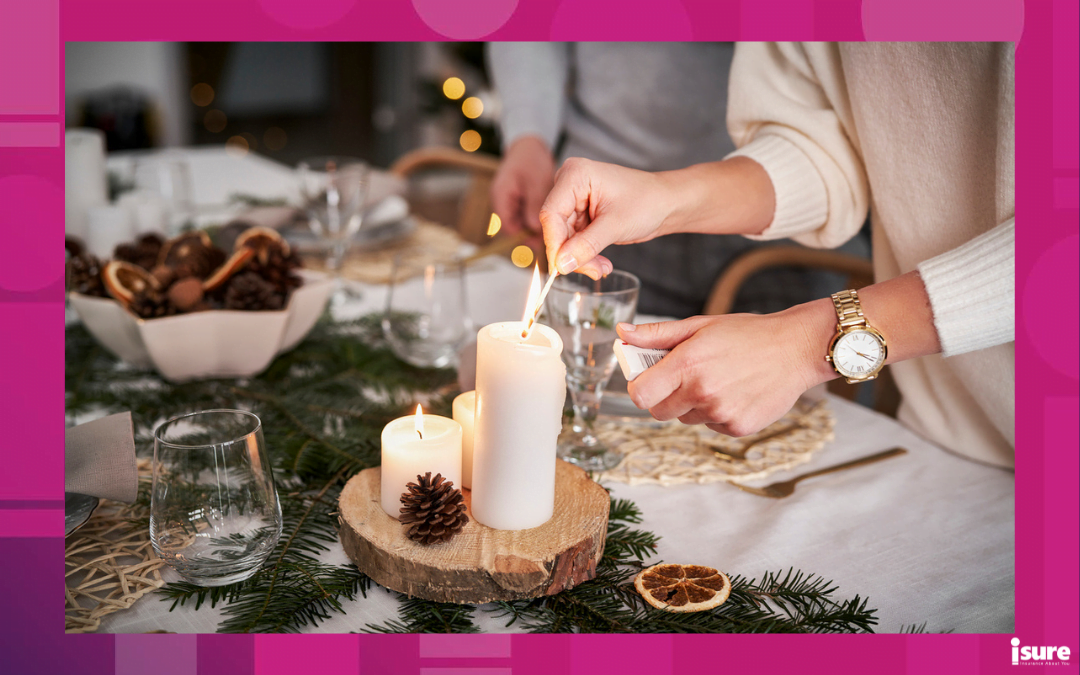
Many people use candles during the Christmas season to create a festive ambiance. Christmas, New Year’s Day, and New Year’s Eve are the top three days for home fires caused by candles. Whether it’s holiday-scented candles or tealights on the Christmas tree, candles are the most apparent fire risks during the holidays. Open flames can quickly ignite holiday decorations or other household objects, which is why they are one of the top causes of holiday insurance claims. For those who can’t go without the traditional open flame, candles should never be left unattended and are to be kept away from flammable materials (such as live Christmas trees) to minimize the risk.
You can read more helpful tips about candle safety over the holidays.
Tip: Place candles on a stable surface and keep them out of reach of children and pets. Make sure you extinguish them before going to bed. As mentioned above, many people opt for LED lights to reduce fire risk; therefore, we suggest trying them.
Dangers of Lithium-Ion Batteries
One risk most typically not considered during the holidays is the danger of batteries. Lithium-ion batteries, commonly used in electronic devices (i.e., toys), can pose a significant fire risk if damaged, overcharged, or mishandled. The primary issue arises from a phenomenon known as “thermal runaway.” This phenomenon is where a battery’s internal temperature rises uncontrollably, releasing flammable gases that can ignite and cause intense fires or explosions. While advancements in battery design have improved safety, these risks remain. Once thermal runaway begins, it is irreversible. Proper handling, regular monitoring, and early detection of battery damage are essential for preventing hazardous incidents. Be sure to remove batteries from unused items, including trees, garlands, and toys, when storing them.
Raising awareness about these risks is especially important during the holiday season, as many households receive electronic gifts and tech devices.
3. Theft of the Halls
Christmas theft is the saddest holiday insurance claim of all, and unfortunately, it does happen. With an increase in travel and social activities, there are more opportunities for theft to occur. Criminals know households are likely to have many new gadgets and gifts. Additionally, our homes are often left empty in the evenings as we visit loved ones. So, always leave a light on when you go out, and never leave presents in open view of passers-by. When you need to leave your house, you can set your alarm if your home has one. Don’t have an alarm system? Installing a home security system can help you save money on your monthly home insurance premiums.
Tip: Porch pirating is rampant this time of year. Be sure to schedule your deliveries for a time when someone is home, or arrange to have them dropped off at your work address or a local Canada Post or UPS outlet.
4. Falling Items
Accidents happen when you’re retrieving holiday decorations from the attic, putting up the tree, or climbing on the roof to mount lights or inflatables. Insurers receive several claims each year related to ladder misuse. Some involve homeowners who have climbed up to the roof to hang decorations or tend to last-minute home maintenance. Be cautious when preparing your home before inviting others to celebrate with you.
Tip: Before using your ladder, practice ladder safety by ensuring it’s stable and that someone is there to watch you or hold the ladder as you climb. Also, try to install lights during the daytime.
5. Accidental Damages
With the hustle and bustle of the holidays, several claims are made against each other due to the frenzy. It is very common to have items accidentally thrown out with discarded wrapping paper. Lost possessions include glasses, jewelry, and hearing aids. One of the most common accidents insurers see is furniture and carpets damaged by spilled food, wine, and candle wax. The culprit can be a pet, an excited child, or a tipsy adult, but the result can be extensive damage. Over Christmas, there’s likely to be more entertainment at home than usual, so make sure your home is prepared ahead of time to avoid holiday insurance claims.
6. Distracted Dining
Another common holiday tradition is to have friends and family over for a meal. Good food makes holiday celebrations extra special. Cooking large meals at home with many family members joining the kitchen adds to the merriment. Unfortunately, busy kitchens may cause people to become distracted from their cooking tasks at hand. An unattended stovetop or an overcooked side dish can result in a kitchen fire.
Historically, the holiday season has more reported fires from cooking than any other time of the year. Here are some precautions to take when preparing holiday meals:
- Keep kids at least three feet away from stoves and ovens, or make your kitchen a kids-free zone.
- Plug cooking appliances into an outlet and avoid connecting them to an extension cord.
- Always remain in or near your kitchen while cooking. Don’t cook your holiday turkey or ham overnight while asleep or away from home.
- Clean grease from stove tops and countertops to avoid possible flare-ups.
- Keep your surfaces clutter-free so you have a place to set that hot pan when you take it out.
- Having a fire extinguisher nearby is key! If your turkey or tree catches fire, you’ll want the necessary tools to put it out quickly and effectively. It will cost you approximately $30 to purchase one.
7. A Tidy Home is a Safe Home
Amongst Christmas Day’s excitement, little ones aren’t usually bothered about tidying up after themselves. If you’ve got children, toys and gifts being left around the house haphazardly is inevitable. Tripping over a misplaced Hatchimal on the stairs or knocking over Mom’s new China bowl can be avoided with some pre-planning. Keep a garbage bag handy while opening gifts to prevent the mess from piling up. It can also help avert gifts received from being thrown away. Have a plan for kids to choose one gift at a time to play with, while the others stay in one pile under the tree.
Tip: Remove all breakables from high-traffic areas while entertaining. Lock valuables away on a separate floor to keep cherished items safe.
8. Freezer Failure
Nothing says the holidays like feasting on holiday favourites. Unfortunately, with increased food shopping and frequent trips to the freezer during holiday prep, your freezer may struggle to keep up. Insurers deal with several claims yearly where the entire Christmas shop is spoiled, and the freezer must be discarded. While you may be unable to keep your appliance from failing, there are ways to help it get through the holidays. Keep your food organized before you open the freezer door. The less you open and close it, the more it will help prevent frost from building up in your freezer. It can also wear away at the door seal, allowing warm air in and cold air to escape.
9. Roadworthiness
Winter weather conditions can make travel plans a little dicey over the holidays. Heavy snowfall, icy roads, driving at night or while tired, and other multiple factors can increase the likelihood of accidents. Before heading out this holiday, please make sure your winter tires are on your vehicle. It’s also a great time to ensure you have had your regular maintenance check done. No one wants to run out of windshield wiper fluid while driving in slushy road conditions. Allow yourself plenty of time to arrive at your destination. Never drive while intoxicated, and have a backup plan if you are going to celebrate.
Tip: Be sure to fill up with gas and carry a spare tire and an emergency kit, just in case. Packing extra clothes, blankets, food, and water in case you are stranded at the side of the road is also a good idea.
10. Practice Responsible Hosting
No one wants to spend the holiday season in the emergency room nursing an injury. If you are hosting this season, ensure your home is festive AND safe.
The three types of damages that may affect your home insurance during the holiday season are:
1. Theft & burglaries
2. Guest Injuries
3. Fire
ER doctors see a myriad of injuries over the holidays, including falls, injuries caused by overexertion, alcohol-related injuries, and mental health concerns. Remember, as a host, you must ensure that your sidewalks and driveways are free of snow and ice, offer non-alcoholic options for your guests, and monitor alcohol consumption. If you believe a guest may have had one cheer too many or is overly tired, take their keys, call them an Uber, or offer them a place to sleep on the couch. Falling asleep at the wheel is as dangerous as impaired driving. Keep an eye out for guests who may seem overwhelmed and offer help.
Throwing a party? You can learn everything you need to know about Liquor Liability insurance here.
Final Thoughts on Holiday Insurance Claims
As you dive into the December holidays, it’s critical that you have adequate insurance coverage for your home and property and that your liability coverage is sufficient. Give yourself the gift of peace of mind knowing you’re safe and protected from the most common holiday insurance claims. Are you concerned that your insurance policy is not suitable, or would you like additional coverage? Contact one of our isure representatives to discuss your holiday plans and any add-ons you may need.
Safeguard Your Home
Get a free home insurance quote today and protect what matters most.


The month of December teems with many types of holiday Read more

Ready to pull out the Christmas decor, but don't know Read more

Did you know that as a party host in Ontario, Read more