

When driving, carrying your driver’s licence is a must—but did you know that keeping your insurance pink slip(s) with you is just as important? Also known as a liability slip or proof of auto insurance, this document is legally required and serves as evidence that your vehicle is insured. In this guide, we’ll cover everything you need to know about insurance pink slips. This includes what they are, how to obtain them, and how to store them safely.
What is an Insurance Pink Slip?
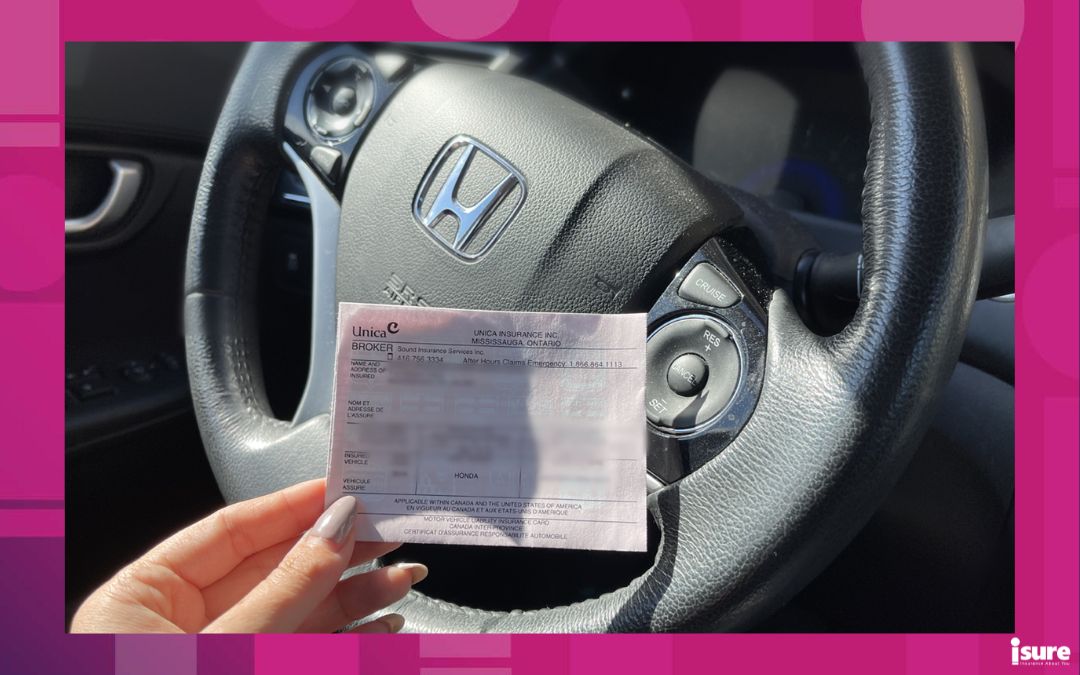
An insurance pink slip is the official proof that your vehicle is insured under a valid auto insurance policy. In many cases, an insurance pink slip is an interchangeable term that is used in place of a proof of insurance card. More technically, it is referred to as a liability insurance card or a proof of insurance certificate. Despite its informal name suggesting a pink colour, the document’s actual colour will vary nowadays, depending on the insurance provider.
What Information is on an Insurance Pink Slip?
When you purchase or renew your insurance policy, your provider is responsible for making sure your insurance pink slip is created. Though information can vary by provider, all insurance pink slips will contain essential information regarding your car insurance policy. This can include:
- Your insurance company’s name and contact information.
- The insured vehicle’s make, model, and Vehicle Identification Number (VIN).
- The names of any insured drivers listed under the insurance policy.
- The policy number and effective dates of the coverage.
Having your insurance information readily available at all times is crucial. It serves as proof of your vehicle’s insurance under a policy that meets the minimum third-party liability coverage required by your province’s law. Additionally, you’ll typically receive multiple copies of your insurance pink slip. In addition to the copy in your vehicle, please store backups in a safe location.
Digital Insurance Pink Slips
With increasing digitization, many provinces now allow digital insurance pink slips as a legal alternative to paper copies. These digital slips contain the same essential information and can be stored on your smartphone or other electronic devices. With the increasing digitalization of recent times, digital pink slips have been proliferating in Canada. This is due to providing drivers with a more convenient way to carry their proof of insurance.
As of now, digital pink slips are accepted in Ontario, Alberta, Quebec, Nova Scotia, and Newfoundland and Labrador. Drivers in these provinces can keep a copy of their digital proof of insurance on their smartphones or other devices. This way, it can be easily presented in the event of a traffic stop or car accident.
Legal Requirements: Insurance Pink Slips and the Law
Having a valid insurance pink slip is mandatory in Canada. If you are stopped by law enforcement or involved in an accident, you must present your proof of insurance. Failure to do so may result in fines, license suspension, or other penalties, depending on the regulations of your province.
With the introduction of digital pink slips, forgetting or misplacing your proof of insurance is now less common. This ensures drivers remain compliant with the law.
How to Obtain an Insurance Pink Slip
If this is your first time getting auto insurance, don’t worry! At isure, we understand that obtaining car insurance for the first time can seem intimidating. However, acquiring insurance pink slips in Canada only requires a few simple steps. With this being said, it is essential not to rush the process. Let’s take a look at how to get an insurance pink slip.
1. Research Auto Insurance Providers
Please take the time to compare quotes from multiple insurers to find the best policy for your budget and coverage needs. You likely did not rush the process of purchasing a new vehicle. As a result, you shouldn’t rush the process of buying insurance for it, either. That’s where isure steps in!
2. Purchase an Auto Insurance Policy
Once you’ve received a few quotes, you’ll want to proceed with purchasing the policy that best suits you. During this process, you’ll need to provide information about yourself, your driving history, and your vehicle. This will likely include details such as your vehicle’s make, model, year, and Vehicle Identification Number (VIN). Additionally, you will need to provide your personal information and a copy of your driving record.
3. Receive Your Insurance Pink Slip
Once you have set up your car insurance policy and paid the premium, you will be issued an insurance pink slip by your provider. This will act as proof of your coverage, as well as list any details mentioned above. This will include the effective dates of your insurance policy as well as information regarding the insured vehicle and any insured drivers. You may receive it via:
- Mail (physical copy)
- Email (digital copy)
- Mobile app (if your province allows digital pink slips)
Additionally, it may be available on your insurer’s online portal if you are in an applicable province.
Did You Lose Your Insurance Pink Slip? Here’s What You Can Do
If you’ve lost your pink slip, don’t panic! Please let your insurance provider or isure broker know right away. You will receive a temporary insurance pink slip, allowing you to continue driving while waiting for your new ones. This will help you avoid any legal trouble if you are pulled over by law enforcement or involved in an accident. You can read our blog for more details on what to do if you lose your insurance pink slip.
What to Do If Your Insurance Policy Changes
If there are any changes to your insurance policy, your insurance pink slip must be updated accordingly. Here’s what you need to know:
1. Renewing Your Insurance Policy
Your insurer will issue a new pink slip upon renewal. Please ensure that you replace your old version with the updated one to remain compliant.
2. Changing Vehicles
If you purchase a new car, you’ll need an updated pink slip reflecting the details of your new vehicle. Contact your insurer to ensure the switch is made promptly.
3. Adding or Removing Drivers
If you add or remove drivers from your policy, please request a new pink slip that reflects these changes. This ensures all listed drivers have proof of coverage when needed.
4. Switching Insurance Providers
When switching insurers, your new provider will issue a fresh pink slip. Please ensure that you discard your previous one to avoid confusion.
Best Practices for Storing Your Insurance Pink Slip
Ensuring your pink slip is safe and accessible is crucial to preventing its loss. Here are some storage tips:
DO:
- Keep a copy in your wallet or glove compartment (if lockable).
- Store the copy inside the provided sleeve from your insurance provider.
- Use a digital copy for easy access if permitted by your province.
- Store an extra physical copy at home in case you lose or damage the original.
DON’T:
- Leave it in an unsecured glove box, where it may be stolen.
- Keep it loose in your car, where it can be easily damaged or misplaced.
Final Thoughts: Stay Prepared with isure
Understanding and safely storing your pink slip is essential for responsible driving. Whether you prefer a paper copy or a digital version, having quick access to your proof of insurance ensures you stay compliant with Canadian laws and avoid unnecessary fines.
If you need assistance with your auto insurance or require a quote, isure is here to help! Please contact us today for expert advice and to ask for a quote and competitive insurance rates.
If you lost your insurance pink slip, follow the steps Read more

Let's face it: In this day and age, many aspects Read more

There are many instances in Ontario when showing proof of Read more