
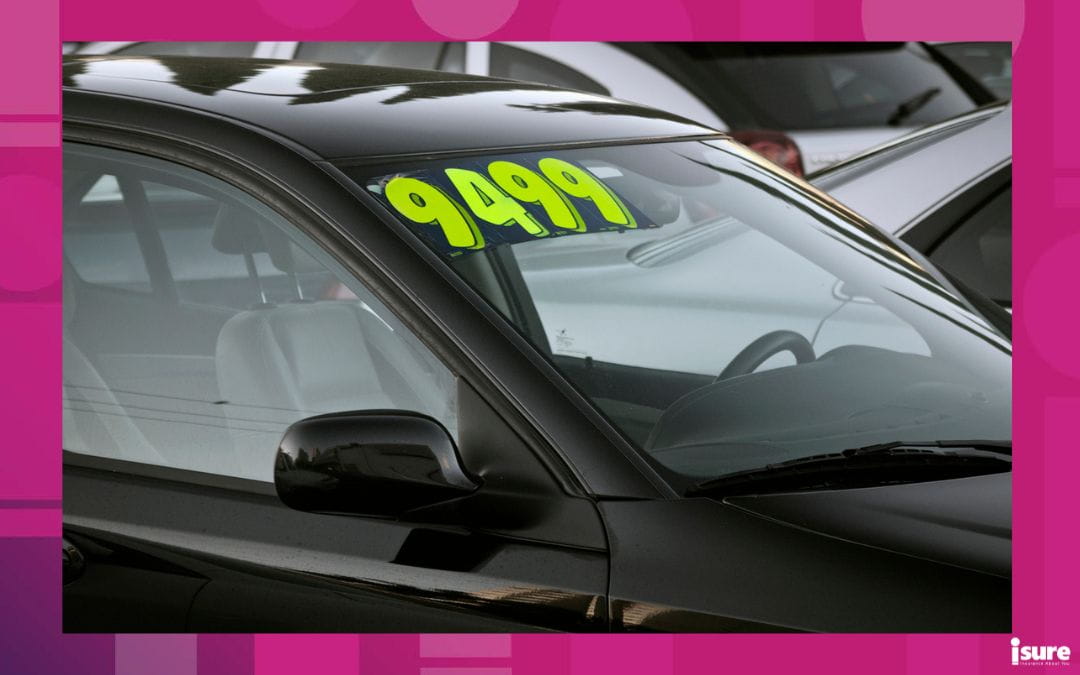
With new-car prices rising every day, more and more people are turning to the used-car market to buy their next vehicle. The good news? You absolutely can negotiate. In fact, with the market finally stabilizing after post-pandemic inflation, now is one of the best times to push for a better deal. Here’s your complete guide to negotiating used car prices efficiently.
What Is The Current Used Car Market Like?
In recent years, there have been significant improvements in the supply of new vehicles. As a result, more trade-ins occurred, lowering the cost of used cars. Unfortunately, many buyers are still facing higher costs due to rising interest rates and ongoing inflation. Analysts are expecting prices to keep evening out. However, pre-pandemic levels aren’t expected for a bit longer. If you’re in the market for a used car and don’t want to wait, you may be wondering whether you can negotiate. Luckily, the answer to that is yes.
What Influences The Price Of Used Cars?
To fully comprehend negotiating the price of a used car, it’s important to understand what affects the market and these trends. Let’s take a look at some of the most common influences when it comes to the used car market.
Drive with Confidence
Request your free car insurance quote now and get the coverage you deserve.


Economic And Supply Chain Recovery
As we approach pre-pandemic levels of supply chain capacity, the availability of new vehicles has improved drastically. As a result, more cars are on the market, leading to more trade-ins and a boost in car inventory. Unfortunately, inflation over the past few years has risen, hovering around 8.1% roughly this time last year. On top of this, elevated interest rates must be taken into account, which have risen from 5.00% in June of 2024 to 3.25%.
Nowadays, the average used-car loan rate for Canadians is at 6.8%. This significantly impacts the affordability of a used car. To add to this, household debt levels mean Canadians are being smarter with their money and spending habits. At the end of the day, this slows demand for big purchases, such as vehicles.
Damaged Cars
It’s no secret that the country has seen its fair share of weather-related catastrophes in the last few years. As a result, a rise in flood-damaged vehicles is being sold to unsuspecting buyers.
Flood-damaged vehicles are cars that have been exposed to floodwater. In most cases, these are generally written off and completely scrapped. In other cases, they may undergo cleaning and repairs to hide their damaged past. On the surface, these cars may look completely fine; however, in most cases, their mechanical and electrical systems are damaged. This leads to costly repairs and safety concerns down the road.
Online Negotiation Strategies
Like many areas of our lives, the internet has also changed the world of negotiating the price of a used car. Websites such as AutoTrader.ca and Clutch.ca make buying and selling cars much easier. These sites rely on vehicle history reports to ensure transparency. Online platforms such as these accounted for 60% of used-vehicle sales.
Specific listings with more thorough documentation, such as Carfax reports, generally attract more inquiries. This indicates how data-driven negotiations lead to better deals for buyers. At the end of the day, these tools help buyers build confidence and create space for discussion when negotiating the price of used vehicles.
Private Sellers
Private sellers remain a popular option for people in the used market. This is because there is usually greater flexibility when negotiating the price of a used vehicle. In most cases, private sellers will prioritize quick sales over maximizing profit.
Unfortunately, when purchasing from a private seller, you jeopardize the perks that come with buying a used car from a dealership. This can include after-sales services, legal protection, and financing options.
The Rise in Electric Vehicles
In Canada, the interest in electric vehicles is still on the rise. Ontario alone saw 10,469 new battery-electric vehicles registered in the second quarter of 2024. Models such as the Tesla Model 3, Nissan Leaf and the Chevrolet Bolt were the most popular.
Electric vehicles depreciate much more slowly than gas-powered vehicles. They retain roughly 40% of their value after about three years of use. As a result, buyers should account for potential costs, such as battery health inspections, when negotiating the price of a used electric vehicle.
5 Proven Steps To Negotiate The Price Of A Used Car:
When negotiating the price of a used car, preparation is crucial. By following the right steps, you can ensure you purchase a car that not only lasts but also becomes a worthwhile investment. Let’s look at the steps to negotiate the price of a used car.
1) Know What You’re After
Like any major purchase, knowing what you’re after will make the process not only easier but much smoother. Before you start negotiating the price of a used car, make sure you know which model suits your needs, budget, and affordability. When you understand your needs, you will avoid the tactics used by used-car salespeople to upsell you on a vehicle. At the end of the day, search for a vehicle that suits your needs and lifestyle, and put aesthetics second.
2) Be Flexible When Negotiating the Price of a Used Car
Negotiating the price of a used car isn’t just about numbers. Make sure you know how to read the room correctly. If you walk into a dealership too enthusiastically, you may reduce some leverage you have when it comes to negotiating the price of a used car. Make sure you remain flexible, and don’t hesitate to walk away if a deal isn’t going your way. It is not uncommon for dealers to make a follow-up offer closer to your terms after you’ve left.
3) Ask The Right Questions
Negotiating the price of a used car is far more than just asking for a discount. You want to make sure you understand the terms of purchasing a used car and ask any questions that may reveal hidden costs or important details. Some key questions to ask when negotiating the price of a used car include:
- What is included in the warranty?
- Can the dealership provide a detailed vehicle service history?
- Are there any hidden fees, such as admin costs?
- Is there a hidden delivery charge?
- If the car is an EV, has the battery been inspected recently for wear and charging capacity?
4) Focus On Seasonality
Many people aren’t aware that the season can play an important role in negotiating the price of a used car. For example, winter months such as December and January often offer bigger discounts and dipping prices. This is because fewer people are purchasing than in peak months such as May or June.
It is common for dealerships to use these winter periods to clear out older inventory. This is because trade-ins from new model launches often occur in late summer. In many cases, dealerships are eager to meet sales quotas during the winter months, making it a great time to negotiate the price of a used car. Make sure you pay attention to clearance events and seasonal promotions. Just like when shopping for car insurance, asking for available discounts is always recommended.
5) Inspect The Vehicle Thoroughly
When negotiating the price of a used vehicle, always make sure the vehicle you are after is thoroughly inspected. The quality of the vehicle you purchase can play a big part in any long-term savings. Please view a car’s history report, and consider asking a professional to take a look. If you find any issues, they can help you negotiate a price reduction.
Bundle All of Your Policies for Maximum Savings!
Speak with an isure broker to find out how.
How to Negotiate a Used Car Price & Save on Insurance Costs?
A major benefit of buying a used car is that it often comes with lower insurance premiums. This is especially true when you shop around and take your time to find the right coverage for you. Negotiating the price of a used car doesn’t have to be stressful. By following the right steps, conducting the right research, and understanding where to save, you’ll find a car that suits your needs in no time.
If you have any questions about car insurance for a new or used vehicle, please reach out to us at isure today.

The debate on whether you should buy a new or Read more

When researching car insurance, finding the correct information can sometimes Read more

Buying a new car can be exciting, but not many Read more