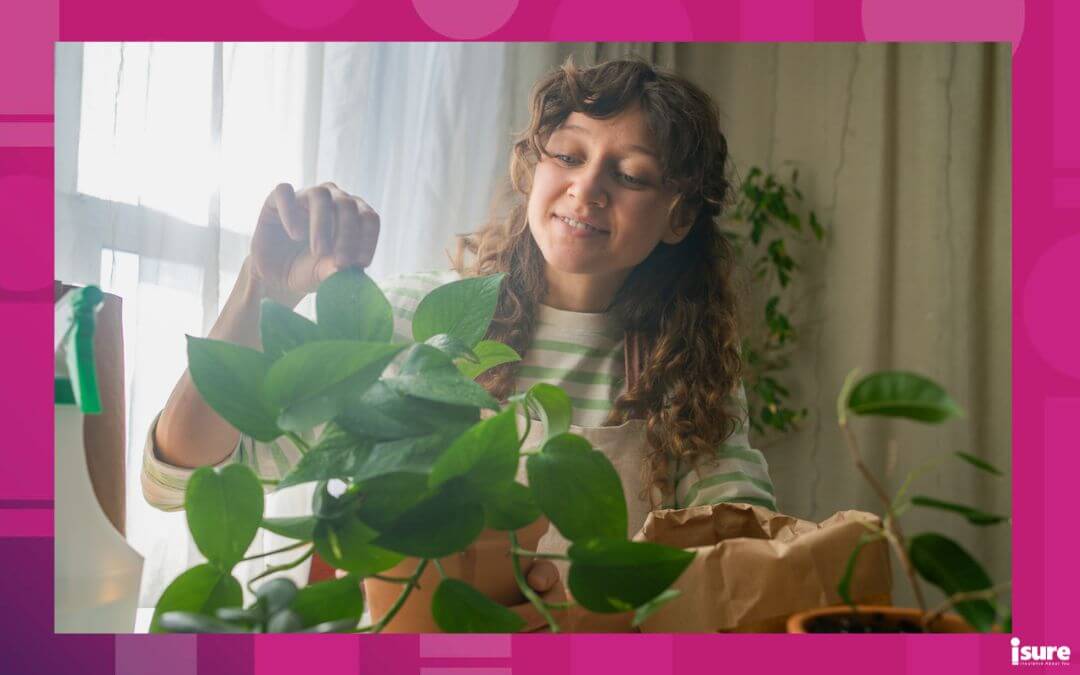
Everyone has had that one houseplant that, no matter how hard you try, you cannot keep alive. Houseplants are not only a great way to liven up your space but also to improve your home’s air quality and reduce stress. So, whether you are a new plant parent or looking to improve your routine, here are some essential houseplant care tips.
Choose Plants That Work for Your Space
One of the biggest mistakes people make is buying plants based on how they look rather than where they’ll live. Pay attention to how much natural light your home gets, as well as the temperature and humidity. Plants that match your space will need less maintenance and are more likely to thrive.
Understand the Light Needs of Your Plant
Each plant is different, and this is never truer than when it comes to light. Light is food for plants. When a plant isn’t getting enough, it won’t grow properly, even if you’re watering perfectly. The best course of action for most common houseplants is to give them “bright indirect light”. This means placing your plant near a window but out of direct sunlight. However, low-light plants can tolerate more shaded areas. So, placing a plant in the wrong light conditions can lead to slow growth, leggy stems, or yellowing leaves. Plus, look out for any signs of leaning, stretching, or losing colour. This means that it needs more light.
Avoid Overwatering Your Houseplants
Next, overwatering is the most common reason houseplants struggle. In fact, overwatering kills more plants than underwatering. Many indoor plants prefer their soil to dry slightly between waterings. Always check moisture levels before watering, rather than sticking to a strict schedule. Plus, remember that there’s no one-size-fits-all answer. Watering depends on plant type, pot size, light exposure, and time of year.
Use Pots With Proper Drainage
Pots with drainage holes allow excess water to escape, thus preventing root rot. If you prefer to use decorative pots without holes, that’s alright! Just make sure to keep the plants in plastic nursery pots, and remove them when watering. Remember, roots need air just as much as water. If you love decorative pots, keep plants in their plastic nursery pots inside them and take them out to water.
Check the Soil Before You Water
Good potting soil makes a huge difference. It helps roots get oxygen while holding the right amount of moisture. Cheap or compacted soil stays too wet for too long, leading to root problems. If the top inch of soil feels dry, it’s usually safe to water. If it still feels damp, wait a few days and check again. A well-draining potting mix provides the right balance of moisture and airflow for roots. Specialty plants, such as succulents or orchids, benefit from soil designed for their specific needs. For example, most plants prefer ahigh-qualityy indoor potting mix. However, for succulents and cacti, a faster-draining soil is needed.
Adjust Care Methods By Season
Indoor plant care varies with the climate and needs to be adjusted throughout the year. In fall and winter, most houseplants grow more slowly and need less water and no fertilizer. Spring and summer are active growing seasons when plants benefit from regular nutrition.
Keep Leaves Clean
One thing that most do not consider is how dust impacts your houseplants. Dust blocks sunlight and reduces photosynthesis. To avoid this, gently wiping leaves with a damp cloth helps plants absorb light more effectively and stay healthy.
Rotate Your Houseplants
Net, this tip is one that people often overlook. Plants naturally grow toward light, which can make them lean or look uneven. Turning your plant every couple of weeks helps it grow evenly and stay balanced. It’s a small habit that makes a big difference over time.
Do Not Repot Houseplants Often
It can be tempting to move plants into bigger pots right away, but most houseplants actually do better when their roots are slightly bound. Repotting too often can stress the plants and slow their growth. A great rule of thumb for repotting is to do so only when the roots are growing out of the drainage holes, or the plant is drying out much more quickly than usual.
Give New Plants Time to Adjust
When you bring a plant home, it’s normal for it to drop a leaf or look a little unhappy at first. Changes in light, temperature, and humidity can cause temporary stress. Avoid repotting or fertilizing right away, instead give new plants a few weeks to settle in before making any changes.
Taking care of houseplants doesn’t require a green thumb; it just requires attention, consistency, and care. Healthy houseplants are built through habits, not perfection. With the right habits (and a bit of patience), healthy houseplants become part of your routine rather than another thing on your to-do list.
Safeguard Your Home
Get a free home insurance quote today and protect what matters most.


Even though life has almost returned to normal, many of Read more

Discover simple, stress-free tips to organize your home, declutter your Read more

Properly opening and closing your garden each season is key Read more