Let’s face it, many Ontarians will agree that snow isn’t their favourite thing in the world. Nothing is more quintessentially winter than those beautiful icicles hanging from eavestroughs around the city. However picturesque they may be, they are a telltale sign of trouble for your home. Icicles can be a sign of a potentially serious problem: ice dams. If there’s an ice dam on your roof, it stops melting snow from draining into the eavestroughs. This means water can accumulate and seep through the walls and ceiling into your home. So, what can you do? Let’s learn more about what causes ice dams and how to prevent them from forming.
What Are Ice Dams?
Ice dams are most common in northern climates. They occur when heavy snow buildup melts during the day and then refreezes overnight as temperatures drop. As more water melts high on the roof, it backs up behind the ice. When the water freezes, the dam continues to grow. Outdoors, the sheer weight of an ice dam can tear off your gutters or loosen your shingles. This, however, only scratches the surface of the carnage they can cause.
There’s no other place to go when the water behind the ice dam is due to roof buildup. As a result, water can get underneath the shingles and find its way into your home’s interior. That might lead to stained and warped floors, damaged insulation, sagging ceilings, mould, and potentially expensive remediation.
What Are The Causes of Ice Dams?
An ice dam is a ridge of ice forming on a roof’s edge, preventing snow and water from draining. Some of the more common causes for the formation of ice dams are:
- Temperature Difference: The difference in temperature between the roof’s surface and the underside of the roof.
- Poor Insulation: Warm air from the attic can reach the roof and melt the snow.
- Poor Ventilation: Warm air can escape and heat the roof.
- Poorly Placed Gutters: Can prevent snow and ice from sliding off the roof.

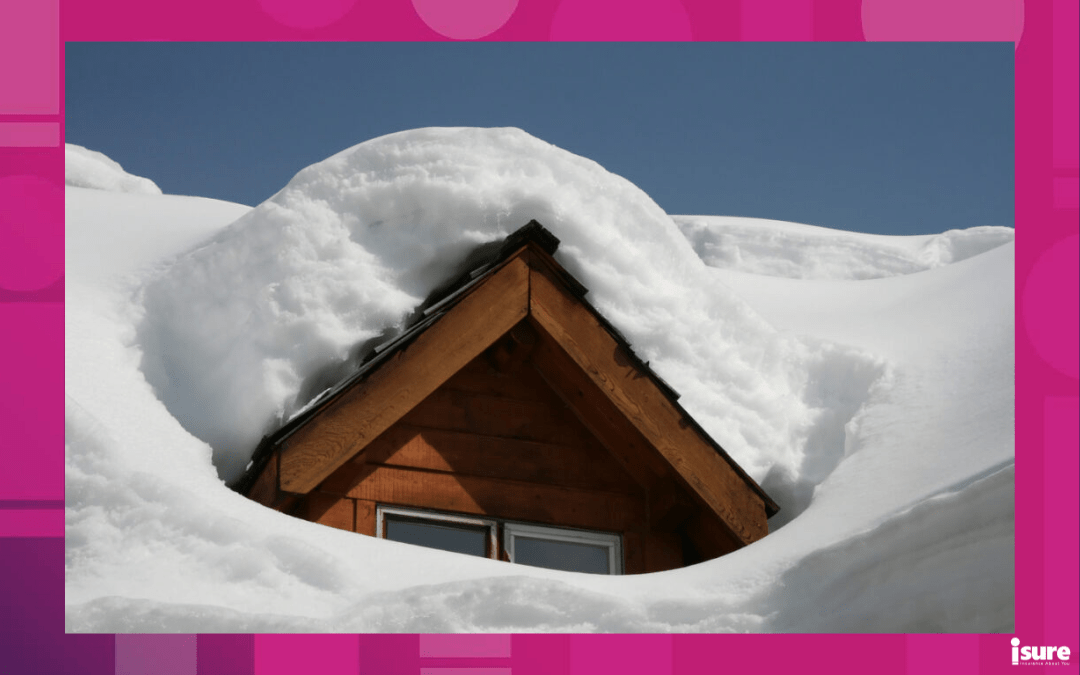
Photo: isure.ca
How to Prevent Ice Dams
An ice dam is often caused by poor attic ventilation or insulation. There’s no way to guarantee an ice dam won’t damage your home, but you can take steps to cut the chances of an ice dam forming in the first place:
- Before the first snowfall, be sure to thoroughly clean all leaves, sticks, and other debris from your home’s gutters and downspouts. This will allow melting roof snow to flow into the gutters and through the downspouts.
- Make every effort to keep snow on your roof to a minimum. Long-handled devices on the market called “roof rakes” let you stand on the ground and pull the snow off the roof. Keeping heavy snow loads off your roof reduces the risk of ice dam formation and roof failure caused by the weight.
- Heated cables: If fixing the roof isn’t a viable option or the ice dams are formed for other reasons, you can install electric heating cables on the edge of your roof to keep the temperatures warm artificially. This solution allows you to equalize your roof’s temperature by heating it from the outside rather than blowing cold air into it. Just be sure to install the cables before bad weather hits.
Please look over the attic and seal any openings that could allow warm air to escape your home.
- Ensure proper ventilation and a well-insulated attic floor to prevent heat from escaping inside the home through the roof. This can form an ice layer that quickly becomes an ice dam. Make sure you don’t forcefully break the ice dam with a tool such as an axe, as this may inadvertently damage your roof.
- Fix air leaks and seal around pipes and chimney structures.
- All winter, keep gutters and downspouts clear of snow and icicles.
- Call in the experts: Finally, if you’re looking to solve the problem completely, you can call in experts who can help remove the ice dams. You can also hire contractors who help keep your roof and gutters clear throughout the season, eliminating ice dam formations.
You can also hire contractors who help keep your roof and gutters clear throughout the season, eliminating ice dam formations.
How to Remove Ice Dams From Your Home
If your roof already has ice dams, there are several methods to remove them safely:
Apply Cold Air
For a quick fix when water leaks, take a box fan into the attic and aim it at the underside of the roof where the leak is happening. The targeted cold air should help the water freeze. This fix is not permanent, but it can buy you time to make a more permanent fix.
Use A Roof Rake
A long-handled aluminum roof rake can help you safely remove snow from your roof and deposit it onto the ground. Choose a wheel rake, which will be gentler on your shingles.
The Pantyhose Method
You can also diminish the damage after the dam has formed with…pantyhose! Fill the leg of a discarded pair of pantyhose with a calcium chloride ice melter. By laying the hose on the roof to cross the ice dam and overhang the gutter, the calcium chloride will eventually melt through the snow and ice, creating a channel for water to flow down into the gutters or off the roof. If necessary, you can also push a long-handled garden rake or hoe into position.
Prevention tip: We recommend hiring a professional with the right equipment and knowledge of safety procedures to remove ice dams. This ensures the job is done correctly, avoiding dangerous maneuvering on your roof. Contact your isure broker or insurance rep for a trusted referral!
Call In The Professionals
Call a building inspector if you have any concerns regarding possible structural damage. That being said, the dangers are real, and injuries are all too common. So, we recommend hiring a professional with the right equipment and knowledge of safety procedures, especially for ice removal, which is more difficult.
Insurance Coverage For Ice Dam Snow Damage
When large quantities of snow and ice build up on the roof, excess weight and yo-yo-ing temperatures can wreak havoc on your roof. Will you have the proper insurance coverage? To find the answer to this, you will need to consult your isure broker to review what type of coverage you have. Typically, homeowner’s insurance will cover roof damage from snow, including roof collapse and related ceiling damage. Furthermore, it will also protect you if a tree falls on your home. According to the Insurance Bureau of Canada, a structure collapse, such as your roof, caused by the weight of ice or snow, is often covered under a standard home insurance policy. For comparison’s sake, we look at how an “all-risk” comprehensive policy and a “named perils” home insurance policy may cover your roof damage.
All-risks and Comprehensive Policy
If the weight of the snow and ice causes the roof to sag, your all-risks policy will pay for this loss. Other structures, like a carport, will also be covered. Water seeping down to your ceiling is a sign of roof damage. For a successful claim, you will require an endorsement or ‘rider’ within your existing policy. The “Water Damage Above-Ground Water” endorsement is recommended if your home is susceptible to heavy snowfall. If snow or falling ice from your roof injures another person or damages their property, your liability insurance should cover you. It will protect you against possible lawsuits (as part of your homeowner’s policy). However, as always, check with your isure broker about your specific coverage.
Named Perils Policy
Using the above examples, this coverage will be quite different. Your collapsed roof due to snow and ice buildup may not be adequately covered under this policy. It depends on the specific perils named in your policy (e.g., fire, theft). Water seepage? You’ll require the “Water Damage Above-Ground Water” endorsement. Should someone suffer from injuries or experience property damage, you will be covered by third-party liability, as it is typically written in basic insurance policies.
Ice Dams: Conclusion
Ice dams can destroy your home’s roof and gutters, causing expensive damage to your home. While most standard home policies may cover damages from winter weather, it is vital to speak with your isure broker to confirm what may or may not be covered by your specific policy. Contact us or request a quote today!
Safeguard Your Home
Get a free home insurance quote today and protect what matters most.


There is nothing quite as quintessentially winter as your home Read more

Every year, Canadians face the harsh weather that winter brings. Read more

Learn all about snow removal this winter; how to remove Read more