
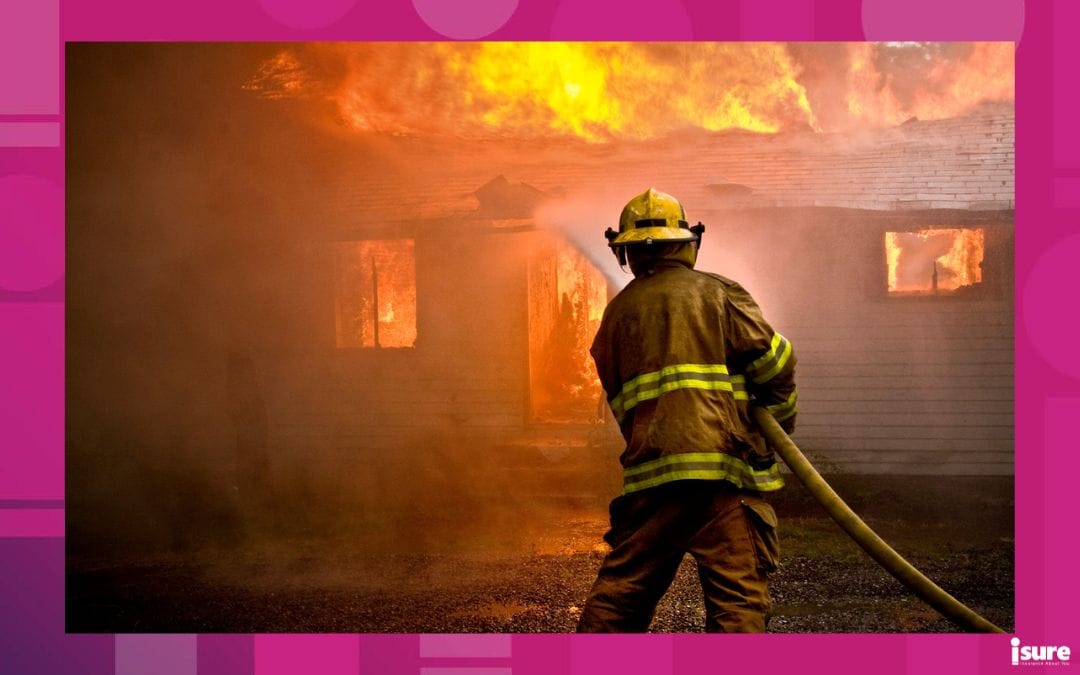
Losing a home to a disaster, such as a fire, flood, or tornado, can be devastating. Additionally, finding out your home is considered a “total loss” can overwhelm any homeowner. But what does the term total loss mean? Moreover, what can you expect from the home insurance claims process? Experiencing a home total loss goes beyond financial impacts, however. Often, it is a very emotional and overwhelming time for a homeowner. Luckily for you, isure has everything you need to know.
Losing Your Home to a Disaster: What Does “Total Loss” Mean?
Facing the loss of your home after a disaster—whether due to fire, flood, tornado, or another devastating event—is emotionally and financially overwhelming. A vehicle is usually declared a total loss if the total cost to repair is higher than its market value. The same can be said for a home.
However, with a home, it can also mean that the structure is either physically beyond saving or that restoring it will cost more than rebuilding it entirely. One of the most challenging outcomes a homeowner can face is hearing that their home is a total loss. But what does that mean, and what happens next with your insurance claim? In this comprehensive guide, we’ll explain what constitutes a total loss in home insurance, provide real-life examples, and outline the steps you need to take to recover and rebuild.
What Is a Total Loss in Home Insurance?
A home is considered a total loss when it’s damaged beyond repair or when the cost to repair it exceeds its market value. This can result from a catastrophic event, like a fire, or severe structural failure that renders the building unsafe or noncompliant with modern building codes.
There are two main types of home total loss:
1. Actual Total Loss
This is when your home is completely destroyed and cannot be repaired. A common example is a fire that burns a house to the ground or a tornado that completely demolishes the structure.
2. Constructive Total Loss
In this case, your home could technically be repaired, but the cost of doing so will exceed its pre-loss market value. For example, if rebuilding will cost $500,000 but your home is valued at $400,000, your insurer may declare it a constructive total loss. Local building codes, safety requirements, and permit issues may also influence this decision.
Real-Life Home Total Loss Scenarios in Ontario
To better understand how a home may be declared a total loss, consider these scenarios:
- Fire: A kitchen fire spreads rapidly through the house. Despite fire crews’ efforts, the structure collapses due to intense heat and smoke damage. The home is declared an actual total loss.
- Flood: A basement floods due to a sewer backup, leading to mold contamination in the walls and foundation. If the cost to remediate the home is more than its insured value, it may be deemed a constructive total loss.
- Tornado: A rare but severe tornado hits a rural Ontario community. Several homes are ripped from their foundations, and debris is scattered over kilometres. In this case, homes could be actual total losses.
- House Explosion: A gas leak causes a massive explosion, destroying the structure and making the property unsafe to rebuild. This would also be an actual total loss.
What To Do If Your Home Is a Total Loss
If disaster strikes and your home is determined to be a total loss, follow these critical steps:
1. Contact Your Insurance Company Immediately
Notify your home insurance provider or broker as soon as it’s safe to do so. In major disasters, insurers may be overwhelmed with claims, so getting yours submitted early can help expedite the process.
Your insurance broker or adjuster will explain what’s covered, guide you through documentation, and assign a claims adjuster to evaluate the damage.
Tip: If you work with a brokerage like isure, your dedicated advisor can help fast-track communication with insurers and ensure nothing is missed in your claim.
2. Document the Damage Thoroughly
Once it’s safe to return to your property:
- Take photos and videos of all damage—interior and exterior.
- Keep receipts for any major purchases you made for the home.
- Create a home inventory list for contents insurance purposes.
This documentation is essential for proving your loss and helping your insurer calculate the appropriate settlement. It can be difficult to remember details when a stressful situation occurs. This is why careful documentation can help you retrace your steps later if needed.
3. Secure the Property
Securing your property is crucial after a total loss has occurred. Prevent further damage, theft or liability:
- Place caution tape around the property.
- Post “No Trespassing” signs.
- If possible, turn off gas, electricity, and water at the source.
Avoid entering severely damaged areas until emergency responders or a structural engineer confirms it is safe.
4. Find Temporary Housing
Most comprehensive home insurance policies include Additional Living Expenses (ALE) coverage, which pays for:
- Hotel stays
- Rental homes
- Transportation
- Meal costs (if you’re without a kitchen)
If you’re unsure how much coverage you have, check your policy or speak to your broker.
5. Work With Your Adjuster
An insurance adjuster will assess the damage and determine the replacement cost value (RCV) or actual cash value (ACV) of your home, depending on your policy.
- Replacement Cost Value: Pays the cost to rebuild your home with similar materials.
- Actual Cash Value: Depreciates for age and wear and tear before paying out.
You’ll then receive a settlement offer. If you disagree with the valuation, you have the right to dispute it or hire a public adjuster.
6. Review Your Rebuild or Buyout Options
Depending on your policy, you may be able to:
- Rebuild your home on the same lot
- Rebuild elsewhere
- Accept a cash payout
Keep in mind that rebuilding must typically start within a certain timeframe (often six–24 months).
Total Loss and Contents Insurance
Your home insurance should also cover contents, including:
- Furniture
- Electronics
- Appliances
- Clothing
- Personal belongings
Be sure to review your contents coverage limit, as you may need to provide receipts, serial numbers, or photos to receive full reimbursement.
How isure Can Help After a Total Loss
At isure, we understand how emotionally and financially draining a total loss can be. Our expert brokers can:
- Ensure you have the right coverage in place before disaster strikes
- Guide you through the claims process step by step
- Advocate for a fair and timely settlement with your insurer
Final Thoughts: Be Prepared Before Disaster Strikes
A total loss is never something any homeowner wants to face—but being prepared and well-insured can make all the difference.
- Review your policy annually
- Keep a home inventory and photos of major purchases
- Understand your rebuild cost vs. market value
- Work with an insurance broker who has your back
Need help reviewing your home insurance coverage?
Is your home a total loss? isure can help ensure you’re fully protected against total loss and other major risks. Contact us today or get a free quote to safeguard your biggest investment—your home.

Did you know your home insurance policy can protect you Read more