
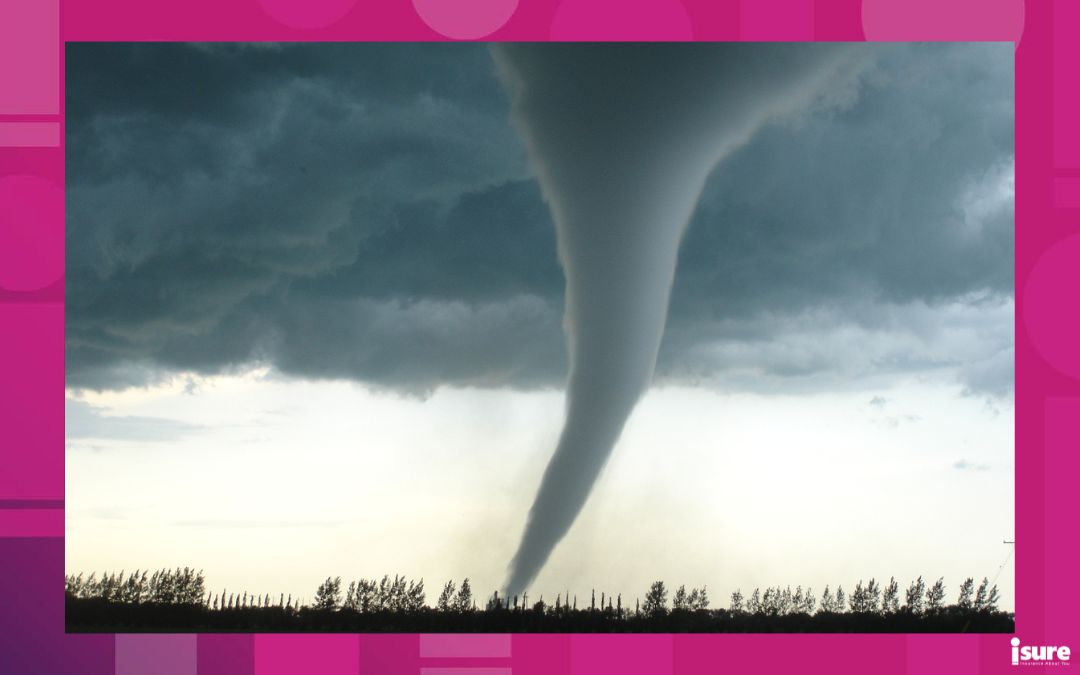
With the increase in severe weather events of late, many are beginning to wonder about their home insurance coverage. We are used to heavy rainfall and ice storms, but what about tornadoes? While twisters are not common in Canada, they are not unheard of, either. Is your home covered? When it comes to tornado damage, does your home insurance cover you?
What qualifies as a tornado?
A tornado is a narrow, violently rotating column of air that extends from a thunderstorm to the ground. Because wind is invisible, it is hard to see a tornado unless it forms a condensation funnel made up of water droplets, dust, and debris. Tornadoes can be among the most violent phenomena of all atmospheric storms we experience.
Courtesy of Insurance Bureau of Canada
Where are tornadoes more likely to occur?
When it comes to tornado occurrences, Canada ranks second globally, trailing only the United States. The highest number of tornado occurrences in Canada seems to be shifting east. Even though they happen annually, tornadoes are a relatively rare weather event. The standard for data collection is 30 years. According to Dr. David Sills of the Northern Tornadoes Project (NTP), Saskatchewan no longer holds the top spot. “Now we’ve just completed the 1991 to 2020 30-year data set, and when we do that, we’ve got a new top province. And that’s Ontario with 18 tornadoes per year.”
There’s a higher risk of tornadoes in southern Ontario, southern Québec, Atlantic Canada, and the Prairies. The interior of British Columbia and western New Brunswick are also in tornado zones.
When are tornadoes most likely to occur?
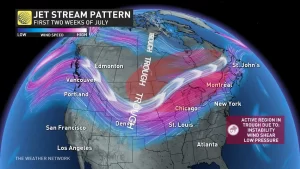
The bulk of tornadoes are experienced in the first part of July. However, as we get deeper into the summer, fewer storms are expected as drier and warmer patterns emerge. This can lower the risk of tornadoes through the middle and end of the month as ridges of high pressure develop. Tornadoes still frequently occur during August, with Ontario recording five or six touchdowns during an average month.
What to do if a tornado strikes?
While tornado warnings may be broadcast up to an hour before they strike, some happen without warning. Know the weather conditions that are favourable for tornadoes, such as:
- A dark, greenish sky.
- Large hail, often with little rain.
- An approaching cloud of debris or cloud rotation with a rumbling or whistling sound.
- Thunder, lightning, and high winds.
Take immediate precautions to keep your family safe:
- Make sure each family member knows how to take shelter during a tornado, whether at home, work, or school.
- Keep away from windows and go to the lowest, most central room. Preferably a cellar or basement.
- Have a 72-hour emergency kit close by; water, non-perishable foods, a battery-powered radio, a flashlight, extra batteries, a first aid kit, sturdy shoes for each family member, identification, cash, and special needs items such as prescription medications.
- Ensure your home is prepared for strong winds:
- Anchor heavy items that can become flying debris.
- Secure patio furniture and garbage cans.
Does your home insurance policy cover tornadoes?
So, if your home suffers tornado damage, are you covered? The answer is, likely. Contrary to popular belief, the vast majority of basic home insurance policies cover tornado property damage. This includes other natural disasters, such as lightning, hail, high winds, and other unpredictable weather events. However, conditions, restrictions, and exclusions may apply. Therefore, it is important to refer to your insurance policy or speak to your isure broker.
If your property is damaged by a tornado, please do the following:
- Contact your insurer to make a claim, as soon as possible.
- If your residence poses no danger to you and your family, clean the affected areas and items exposed to water damage to prevent further damage.
- Keep property that has been damaged until a claims adjuster assesses the damage.
- Keep invoices and any supporting documents relating to the expenses incurred.
- Take pictures or videos to document the damage to your property.
You may want to clean up the mess and dispose of damaged items from the incident, but that’s a mistake. Don’t discard damaged appliances or property unless instructed by authorities or your insurance company. Even if the property is burnt or flooded, ensure it stays at the location until an adjuster has inspected it.
What is covered under your home insurance?
- Building.
- Personal property (contents).
- Detached private structures (swing, garden furniture, shed, fence).
- Pool and spa if you have purchased the additional coverage “pool and spa”.
- Debris removal expenses.
In addition to the property damage mentioned above, it is typically known that your property and the belongings within it are covered by home insurance. Still, suppose your home is deemed unliveable due to an accident that causes significant damage. For homeowners who can’t return to their homes as a result of insured damage, they may be entitled to additional living expenses.
Most standard home insurance policies do cover damage caused by tornadoes. Tornadoes fall under the category of windstorms, which are typically included in a standard home insurance policy
Precautions before and after a tornado or windstorm
According to the Insurance Bureau of Canada (IBC), it is important to take the appropriate precautions before a tornado or windstorm:
- Consider installing impact-resistant storm shutters for windows, skylights, and doors (when possible).
- Install a self-adhering waterproofing underlayment when re-roofing. Consider using Class 4 impact-resistant roofing when completing upgrades or repairs.
- Secure patio furniture, barbecues, and any other loose property when a storm is on the way.
- Protect or move property that may be damaged by flying debris.
- If possible, park your car in a covered area.
Luckily, insurance covers most damage done to your belongings and your home should you suffer from tornado damage. Be sure to contact your isure broker or insurer to submit a claim. If you want more information on how to protect your home from water damage or have questions regarding flood insurance, give us a call! One of our isure brokers can help pair homeowners with the best protection for water damage. We can provide you with home insurance quotes and more, so feel free to contact us now!

Over the past few years, Canadians have had to brace Read more

Currently, more than 1.5 million households across the country remain Read more

The old saying goes into every life a little rain Read more