
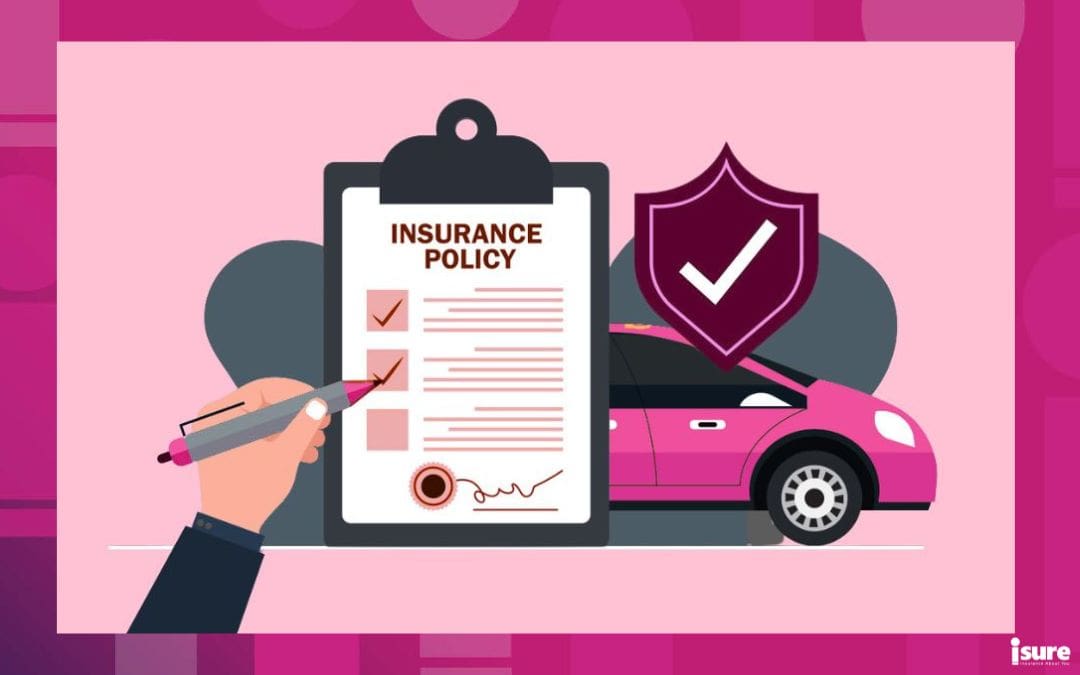
Living in Ontario has its ups and downs when it comes to car insurance rates. Moving from one part of the province to the other can sometimes result in premiums rising or falling dramatically. But so can moving from one neighbourhood to another in the same city. Bill 42 aims to remove postal codes as a primary factor in determining car insurance rates. Read on to find out what Bill 42 means for Ontario car insurance and drivers.
The History of Bill 42
Bill 42 is also known as the Ending Discrimination in Automobile Insurance Act. It aims to equalize rates across the Greater Toronto Area. While it may also lead to higher premiums in some areas (such as Ottawa), more densely populated suburbs in places like Toronto may see a decrease. MPPs introduced bills in recent years to prevent postal code discrimination. However, to date, nothing has been done. Parm Gill, the Progressive Conservative MPP representing Milton, Ont., introduced private member’s Bill 42 on October 15, 2018, to end postal code pricing. The bill passed both first and second reading. Additionally, it was referred to the Standing Committee on Finance and Economic Affairs in March 2019.
Bill 42 faced challenges and was terminated when the legislature was prorogued in 2021. However, there is still ongoing discussion and interest in addressing the issue of postal code-based discrimination in auto insurance. As a result, all bills before the prorogation date were terminated — including Bill 42 — regardless of their status. This means the bill will need to be reintroduced and follow the legislative process from the beginning (first reading).
Potential Effects of Bill 42 on Auto Insurance
Here’s a breakdown of what Bill 42 means for Ontario car insurance in 2025:
- Eliminating Postal Code Discrimination. Bill 42 will prohibit insurance companies from using postal codes or telephone area codes as primary factors in setting auto insurance rates. In other words, drivers in the same area with similar driving records will see comparable rates, regardless of postal code. However, insurance companies and industry groups have generally resisted efforts to eliminate postal code-based rating. The argument is that it’s a necessary tool for assessing risk.
- Potential Rate Adjustment. While the bill aims to eliminate discrimination, it’s likely to result in rate adjustments for some drivers. For example, drivers in Ottawa who have historically benefited from lower premiums may see their rates increase. Drivers in areas with higher premiums, such as Toronto and Brampton, may see a decrease in their premiums.
Nine out of 10 of the cities with the most expensive car insurance rates in Ontario (Vaughan, Ajax, Richmond Hill, Brampton, Mississauga, Pickering, Toronto, Oshawa, and Whitby) are all part of the GTA. Rates are typically lower in areas outside of the GTA because there are fewer drivers and collisions.
- Focus on Individual Risk. The focus will shift to factors directly related to an individual’s driving habits and driving history. This includes their driving record, vehicle type, and coverage choices. The bill’s goal is to create a more equitable system. However, experts predict that eliminating postal code-based pricing and spreading out risk does the opposite of rewarding a good driving record.
- Increased Competition. Bill 42 intends to foster a more competitive insurance market. This may potentially lead to more options and better deals for consumers. There is concern that the bill can disrupt the insurance market, giving larger insurers an advantage and resulting in fewer choices for consumers.
A Closer Look at Auto Insurance Rates
Due to the significant rate differences from one postal code to another in Ontario, numerous arguments have been made against the practice of charging higher car insurance premiums due to claim volume/frequency. Instead, critics have argued that a person’s individual driving and claims record should be the primary factors in determining their rate. The average premiums for car insurance in certain parts of Toronto exceed $2,000 per year. The disparity in car insurance rates between Toronto and less densely populated areas has prompted provincial legislation aimed at lowering rates for Toronto-area drivers. However, experts warn that this can result in drivers living in less densely populated areas, such as Ottawa, paying much more.
Ottawa has lower car insurance rates because companies consider it to be a less risky area. There are lower claims costs, as well as fewer instances of fraud, theft, and collisions.
Insurance experts predict that ending geography-based pricing might mean a 20 to 30% increase in auto insurance rates for eastern Ontario drivers. This will subsidize the insurance premiums of the higher-risk areas in the province.
Differing Perspectives on Bill 42
Critics of Bill 42 argue that, rather than Bill 42’s proposed “entire territory/area of coverage” perspective, anyone who lives in a small town would statistically be less likely to be involved in an accident, and therefore should be paying less. Many feel that postal code pricing isn’t discriminatory, but rather a reflection of cleaner driving records with fewer claims. However, with the implementation of Bill 42, drivers in rural areas or smaller towns, where insurance is currently cheaper due to lower risk profiles, may see their premiums increase.
Will Eliminating the Postal Code System Make Auto Insurance Cheaper?
Yes and no. It depends on who you are and where you live. Eliminating the postal code system is a highly popular notion, but it’s most beneficial to those who reside in areas with higher auto insurance rates. Eliminating the postal code system wouldn’t automatically drop car insurance premiums. In the final analysis, Ontario as a province would still face the same average rates.
Usage-Based Insurance
Another option for combating the postal code system is opting into Usage-Based Insurance (UBI). UBI can offer an individual discount to offset premiums that are inflated by the statistically high claim rates in your area. If you’re a good driver, you can save as much as 25% in some cases. However, UBI programs can also penalize you for poor driving habits.
Bill 42, if passed, is not expected to make auto insurance cheaper overall for all drivers in Ontario. While it aims to eliminate postal code as a primary factor in calculating premiums, potentially lowering rates for some in higher-cost areas, it is predicted to increase rates for those in lower-cost areas.
Final Thoughts: Bill 42
The goal of Bill 42 is to make the rate-setting process more transparent by requiring insurers to justify their rating systems and provide clear explanations for their rates. In some cases, the bill can lead to lower premiums for drivers in high-risk areas. Why? Because the risk will spread across the GTA. Some insurance experts assert that the impact of Bill 42 is not a reduction in premiums for everyone, but rather a redistribution of costs, according to some insurance experts. Bill 42 may lead to a more equitable distribution of insurance costs across the Greater Toronto Area. However, it may also lead to some drivers paying more or less than they currently do, depending on their location. So, while the impetus of the Bill was to eliminate discrimination based on postal codes, it could impose discriminatory penalties for others for the same reason.
As your broker, isure provides clients with the best access to affordable auto insurance rates across the province and keeps you informed of potential changes to your premiums. As Ontario’s leading independent insurance brokerage, we offer you high-quality service and fast results you can count on. We aim to find you the best auto insurance rate and coverage, both quickly and efficiently. Start by getting an online quote with us or by contacting us directly.
Driving laws are always being added or revised. We've got Read more

As a policyholder, having regular policy assessments can help you Read more

The Ontario insurance market is finally showing signs of softening Read more