
When planning your commute in Ontario, it’s essential to understand how Highway 407 ETR works and how it can affect your overall driving costs. While the 407 can save time, it comes with toll charges that many drivers underestimate. This guide explains what Highway 407 is, how billing works, and what drivers should know before using it.
What is Ontario’s Highway 407?
Officially known as Highway 407 ETR (Express Toll Route), the 407 is a privately operated toll highway in the Greater Toronto Area (GTA) that spans 108 kilometres. It runs east-west, parallel to Highway 401, from Burlington to Pickering, making it exclusively Ontario-based.
Is Highway 407 a Toll Road?
Yes. Highway 407 is a fully electronic toll highway. While there are no toll booths, vehicles are tolled upon entry and exit of the toll highway. This helps determine the distance travelled on the highway, a key factor in toll calculations. Moreover, charges are based on various factors:
- Distance travelled
- Vehicle type
- Time of day
How Does Billing Work on Highway 407?
Bills are mailed or emailed to the vehicle’s registered owner. Vehicles are identified and billed using multiple factors:
- A 407 ETR transponder
- Licence plate recognition (for drivers without a transponder)
As of January 1st, 2026, updated 407 fees and rates apply.
What is a 407 ETR Transponder?
A transponder is a radio-frequency identification (RFID) device that communicates with sensors mounted above the highway. When you drive under a toll gantry, the transponder sends a unique signal that links the trip to your toll account.
How Does a Transponder Work on Highway 407?
This process happens instantaneously while you drive at highway speed. Here are the steps:
- Mount the transponder on the inside of your windshield.
- Next, overhead sensors detect the transponder as you pass underneath, both when you enter and exit the highway.
- Your entry and exit points are recorded.
- Finally, tolls are calculated and billed to your account (the account of the vehicle’s owner).
Do I Need a Transponder to Use Highway 407?
No, but having a transponder is highly recommended. Not having a transponder can lead to higher costs due to additional camera and video toll charges. So, with a transponder, you will have lower per-trip costs each time you drive on Highway 407.
What is the Cost of a 407 Transponder?
You can lease a transponder for $31.50 (plus tax) annually OR pay $5 monthly. Once you’ve travelled three time, round-trip, the transponder does pay for itself. By getting one, you save about $5.30 for camera charges, as well as $5 monthly for the account fee.
How Much Does it Cost to Drive on Highway 407?
There is no flat rate. Each trip is calculated individually. Moreover, costs vary depending on:
- Time of day
- Distance traveled
- Type of vehicle (passenger vehicle, truck, etc.)
- Whether you have a transponder
You can calculate your trip with their online calculator to estimate costs.
What Do These Costs Cover?
You may be wondering what the perks of paying for the 407 include:
- Regular maintenance: Debris, signage replacement, pothole repairs, and repaving are done more frequently on the 407.
- Customer service: When you need assistance, you can expect the best service.
- 24/7 highway patrol: The Ontario Provincial Police (OPP) patrol these highways, providing traffic control, quick emergency response, and free roadside assistance.
- Snow removal: This is a big one, considering Canadian winters mixed with road conditions are typically unpleasant. The 407 has a 90-piece winter fleet that removes snow, ice and sleet for safer winter driving conditions.
What Happens if I Don’t Pay My Highway 407 Bills?
If you don’t pay your Highway 407 ETR bill, late fees and interest can be added to the outstanding balance, and the account may eventually be sent to collections, which can negatively affect your credit. In Ontario, unpaid 407 tolls can also result in plate denial, preventing you from renewing your vehicle registration, transferring plates, or registering a newly purchased vehicle until the balance is paid.
Can Out-of-Province Drivers Use Highway 407?
Yes. Out-of-province and U.S.-plated vehicles can use Highway 407. Furthermore, bills will be mailed to the registered address on file.
Can Rental Cars Use Highway 407?
Yes, rental cars can use Highway 407, but the tolls and fees are typically billed through the rental company. If you drive a rental vehicle on the 407, toll charges are billed to the rental agency and passed on to you, often with additional administrative or processing fees.
Moreover, these extra charges can be significantly higher than the toll itself, so it’s essential to review the rental company’s toll policy before using Highway 407.
Is Highway 407 Faster than Highway 401?
It depends; but often, yes. However, travel time savings depend on traffic conditions, time of day, and trip length. Highway 407 is typically faster due to various factors:
- Less congestion
- More predictable travel times
- Higher average speeds
Is the 407 Safer than Other Highways?
Statistically, yes. By alleviating congestion in the GTA, the 407 has a 60% lower collision rate than other 400-series highways. Additionally, it saves drivers almost 43 million hours in travel time annually!
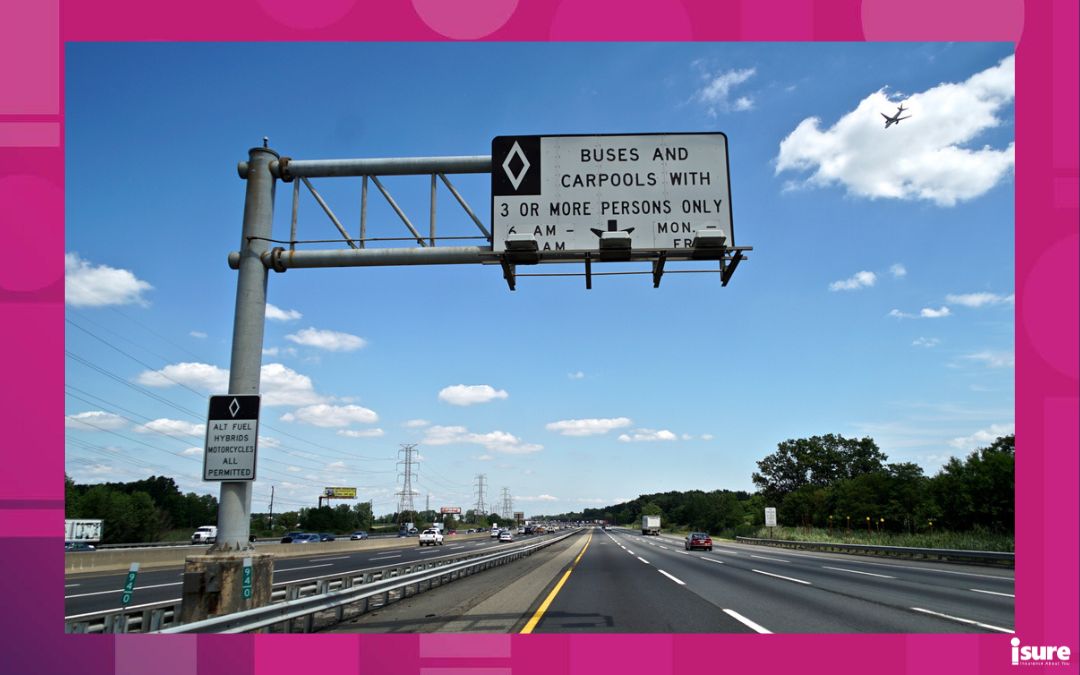
Are HOV Lanes Available on Highway 407?
No. Highway 407 does not have HOV (high-occupancy vehicle) lanes.
Is the 407 Included in my Car Insurance?
No. Tolls are never covered by auto insurance, and you are always personally responsible for toll charges. However, using the 407 more frequently has some of the following effects:
- Increase your annual mileage
- Impact how insurers assess your usage or commute distance
Does Vehicle Type Impact Your Toll Rates?
Yes. Most personal vehicles fall into the standard passenger category, but SUVs, pickups, and modified vehicles should be double-checked. Additionally, toll rates vary based on:
- Type of vehicle (commercial vs. passenger)
- Number of wheels/axles (for larger vehicles)
You can view the different rates depending on vehicle class on the 407 website. Vehicles range from motorcycle and “light vehicles” (cars) to heavy multiple-unit vehicles (trucks and tractors with trailers over 5,000 kg).
What Happens if I Sell My Car but Still Owe 407 Tolls?
407 tolls are tied to the licence plate, not the driver. So, always clear toll balances before selling or trading in a car. If left unpaid, here are some of the repercussions:
- You remain responsible even after selling the vehicle
- Plate denial can still occur in the future
Can I Buy or Finance a Car Without Paying Your Old 407 Tolls?
No. Outstanding tolls must be paid before completing many vehicle transactions. If you have outstanding 407 balances, the Province of Ontario can place a plate denial, which may prevent you from:
- Registering a new vehicle
- Transferring plates
- Renewing your licence plate
Is the 407 Worth It?
It depends on the situation. For budget-focused drivers, toll-free highways may be the better option. However, the 407 may be worth the additional cost for a few reasons:
- If you value time savings and more predictable commutes
- Driving during peak traffic hours with less congestion
- Occasional rather than daily use
Highway 407 offers faster, more predictable travel, but it comes at a cost. Knowing how tolls work and budgeting for them in advance helps Ontario drivers avoid unexpected fees and make smarter driving decisions.
Drive with Confidence
Request your free car insurance quote now and get the coverage you deserve.


Highways are designed for higher speeds of vehicle traffic. However, Read more

Nervous about Ontario highway driving? We've got all you need Read more
Millions of people use our roads every single day. As Read more