

For most homeowners, their home is one of the biggest investments they will ever make. Additionally, it is a place to be comfortable, sit back and relax. The last thing you want is to worry about your own safety in your home. isure believes that to get the most out of your home, it is crucial to ensure it feels safe and is protected. Why make such a large investment without the peace of mind? So, whether you live alone or are raising a family, isure is here to help with our list of home safety tips below.
1. Invest In A Good Security System
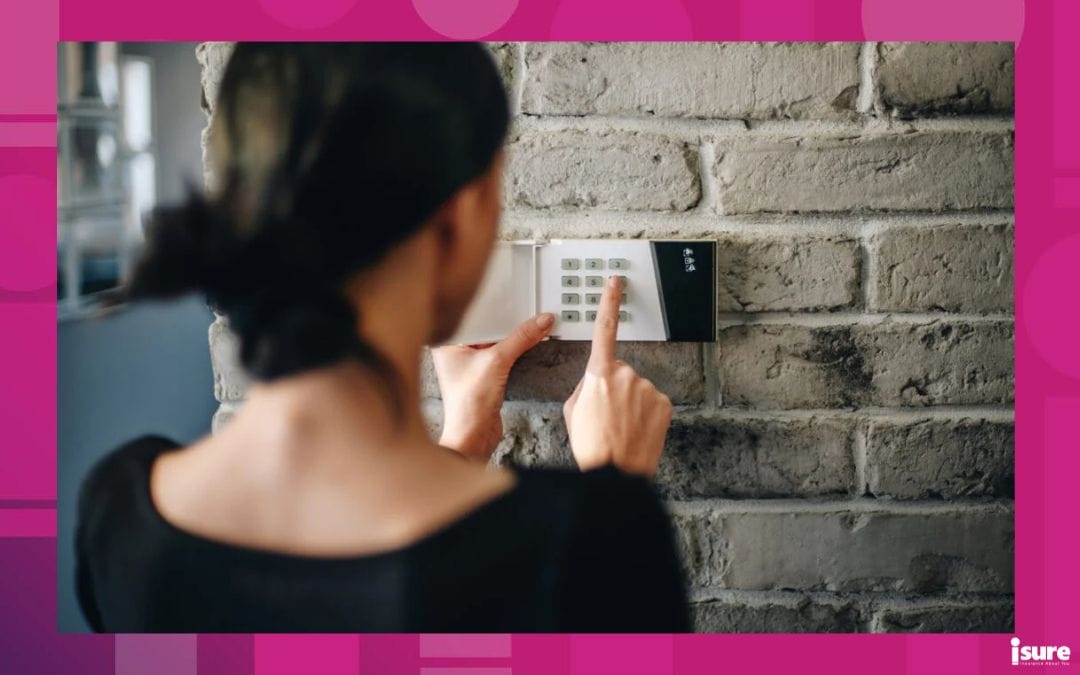
Investing in a proper security system for your home is a great way to protect yourself and your loved ones. Unfortunately, the number of break-ins in Ontario has risen in recent years. A good way to protect yourself from a break-in is to invest in a good security system. There are many different types of home security systems, each with its own advantages. Home security systems have come a long way in recent years, with many systems coming with phone applications. This is a great way of making sure your home is safe while you are away, both short-term and long-term. On top of this, security cameras can be installed discreetly in places, such as your doorbell. Regardless of the option you choose, having a good security system is a crucial step in home safety and can help you lower your insurance premiums.
2. Make Sure Fire Alarms And Carbon Monoxide Detectors Are Working
When it comes to home energy tips, this is the best way to keep you, your family and your home safe. Always make sure that your fire alarms and carbon monoxide detectors are in working condition with fresh batteries and are up-to-date. Although most of these devices will beep or make a noise when they are low on battery, it is still important to replace the batteries every couple of months. Most houses in Ontario will already have these detectors installed upon purchase. If not, you must get multiple throughout your home immediately. Not having smoke and carbon monoxide detectors is against the law in Ontario, and can be a possibly fatal mistake.
As of January 1st, 2026, all homes are required to have a carbon monoxide detector on every floor of the home. Failure to do so can result in some hefty fines up to $50,000.If you are installing new fire alarms or carbon monoxide detectors, make sure to put them in safe areas. Avoid putting them close to bathrooms, cooking appliances, windows and ceiling fans. In case a fire does occur, you should always have a fire extinguisher handy.
3. Always Lock Your Doors
Although this one may seem like one of the most obvious home safety tips, you’d be surprised to know that many people don’t lock up regularly! It is important to make sure all make sure your door is locked whenever you leave the house. On top of this, locking when you are home is also very important, especially when you and your family are asleep! To be extra cautious, it is also a good idea to install locks on your windows. As mentioned above, the number of break-ins in Ontario has risen. According to SGI Canada, a residential break-in happens every 90 seconds in Canada. More than 80% of these occur during daylight hours as well. This is why it is important to lock up whenever you can!
4. Make Your Home Baby And Pet Friendly
These home safety tips are for more than just you! If you have a little one or a pet in your life, it is important to make sure your home is safe for them! Even if you live alone or without children or pets, a lot of these tips are an overall best practice to ensure your home is safe for anyone who enters. Some things to include when making your home baby and pet-friendly include:
- Covering electrical outlets with safety plugs
- Installing baby-safe gates, especially near stairs
- Install corner protectors on tables, etc.
- Make sure choking hazards, such as small objects, are safely stored away
- Make sure your floor is free of slipping hazards
- Safely store chemicals, cleaning products and batteries out of reach
5. Always Have A First Aid Kit Handy
Let’s face it, sometimes accidents happen! Having a first aid kit handy at all times is a great way to make sure you are prepared if an accident does occur. This is especially true in the event of a power outage. In order to be completely prepared, you should make sure your first aid kit has all the necessities in order to treat yourself and your loved ones in the event of an injury. A proper first aid kit should include the following:
- Emergency telephone numbers
- Band-aids
- Sterile pads / rubbing alcohol
- Polysporin for cuts
- Adhesive tape
- Gauze
- Scissors
- Safety pins
- Antiseptic wipes
For additional home safety tips, check out our ultimate winter safety kit for your car and home.
6. Regularly Maintain Your Home
Maintaining your home regularly is super important in keeping your home safe. You should regularly check on your appliances, especially your oven and dryer, to make sure they are in working order. Additionally, make sure you immediately clean up any spills that happen while regularly cleaning your floor to avoid slipping and falling. You should also make sure your HVAC, plumbing, and chimney are regularly cleaned and maintained to avoid any blockages or hazards.
When it comes to the outside of your home, especially in the winter months, you should regularly clear your driveways and walkways of snow. Do not forget to salt them, as well! In the summer and spring, regularly cut your lawn and make sure your driveway and walkways do not have any cracks where people may trip or fall. It is also a good idea to secure any railings and ensure they are properly installed and maintained.
7. Have A Safety Plan
No matter what you do to make your home safe, it’s crucial to prepare for the unexpected. To do so, you and your family should be informed of what to do in case of an emergency. Identify a safe meeting spot for both inside and outside of your home in the event of an emergency evacuation. Be sure to alert your family of the proper phone numbers to call and direct them to a trusted neighbour for help. To make things easier, you can also take the time to map out your plan. This home safety tip will help ensure that everyone knows what to do in case an emergency does happen.
8. Update Your Insurance Coverage
When accidents do occur, it’s important to have confidence in knowing that you have the proper insurance coverage. A good insurance plan is one of the most important home safety tips, as this allows you to make a claim for something that is damaged or stolen. Insurance will also have your back if an accident or injury occurs within your house or outside of it.
If you require home insurance coverage or wish to switch insurance companies, feel free to contact isure for a quote or if you simply need clarification on an existing policy.
Safeguard Your Home
Get a free home insurance quote today and protect what matters most.


Whether you're home alone or hosting a dinner party, keep Read more
Looking to save on your home insurance premiums in Ontario? Read more

Learn about the many ways that you can protect your Read more