
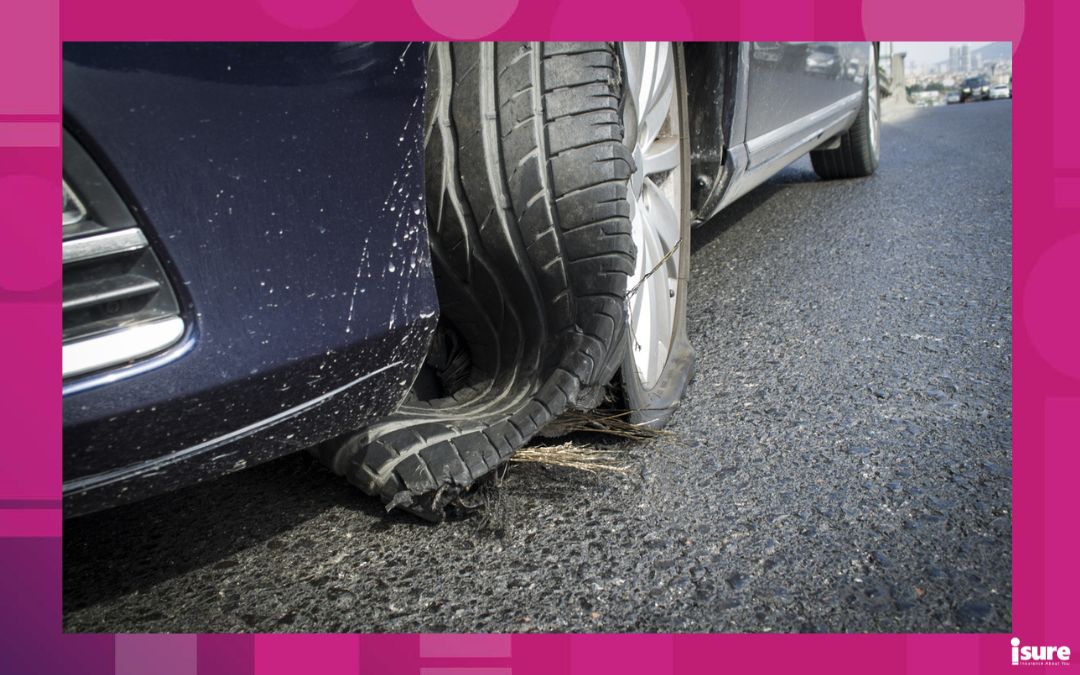
Let’s face it, as a driver, nothing is more frightening than a tire blowout. Whether you’re driving on the highway or cruising slowly past a construction zone, the experience is just as scary and dangerous. With so many advances in the world of tires and road safety, why are tire blowouts such a significant issue for drivers today?
When a tire blows out, it can take only a quarter of a second for your car to become challenging to control. Though such a small timeframe, how you react can make all the difference in how the situation unfolds. From how to spot them to staying safe, here’s what to know when it comes to tire blowouts.
What Is A Tire Blowout?
To fully understand how to navigate a tire blowout, we must first understand what it is. A tire blowout is a sudden and rapid loss of air in a tire due to a nail or too much pressure. This can cause a loud noise or pop, and quickly lead to loss of vehicle control. As you can imagine, this is extremely dangerous and, more often than not, leads to accidents.
There are many reasons tire blowouts occur. Some common occurrences include overheating, hitting a sharp object, overloading your vehicle, or simply failing to replace your tires over time. It is important to note that a tire blowout differs from a small air leak and can result in severe car accidents. Knowing how to react when a blowout occurs is critical to ensuring you, your passengers, and other drivers on the road remain safe.
How Do I Know If One Has Occurred?
When a tire blowout occurs, you’ll hear three key sounds. These won’t be hard to miss, but can vary depending on the situation:
- To start, you may hear a loud banging noise. This will be the tire popping, and the reverb will travel through your car.
- You may also hear a whooshing sound or the sound of air quickly escaping from the tire.
- Finally, there may be a repeated flapping or flopping sound when the deflated tire hits the road.
If a tire explodes while you are on the road, you will also feel your vehicle slow down. Your car will likely then pull firmly to the left or right, depending on which tire in particular has blown out. If a front tire has burst, you will feel the force mostly within your steering wheel. With a rear tire, you will feel it more in your car’s body. Regardless of where the blowout has occurred, your response should be the same.
According to the Ontario Ministry of Transportation, there are some key tips to remember if you experience a tire blowout:
- Keep a firm grip on the steering wheel.
- Do not slam on your brakes.
- Take your foot off the gas and let your car slow down gradually.
- Pull to the side of the road once you have approached a safe speed.
- Activate your emergency flashers and call roadside assistance or 911 for emergencies.
I’ve Suffered A Tire Blowout, Now What?
After a blowout occurs, only exit your vehicle if you are 100% certain you are safe and out of harm’s way on the road. Turn on your emergency flashers to alert other drivers to what has occurred. If it is safe to do so, put out reflective cones or triangles if you have them. If it’s not safe to change your tire where you are, or you are unsure how to do so, alert roadside assistance.
One thing people don’t know is that a spare tire is never intended to be used as a permanent new tire. A spare tire is recommended only for emergencies and should never be driven long distances. It should also never be driven at high speeds. You should always read your owner’s manual and learn what you need to know about your spare tire. If you are unsure how to change a spare tire, you can take a look at our blog on how to change a tire.
Can Blowouts Be Prevented?
Luckily, most tire blowouts are preventable with the proper effort and maintenance. Most tire blowouts occur from May through October. This is because the road surface is hottest at this time. Hot roads can lead to underinflated tires, worn treads, or overloaded vehicles. Luckily, a routine tire inspection can check for leaks, wear and tear, and pressure. If done annually, you can prevent many dangerous issues, including tire blowouts.
At the end of the day, preventing tire blowouts and knowing how to handle them are critical for road safety. By regularly maintaining your car and its tires, you can get from point A to point B without any hassle or accidents. Remember, accidents can sometimes happen. This is why having the correct insurance to back you up is critical. If you are in the market for new insurance, don’t hesitate to contact us at isure or request a quote below.
Drive with Confidence
Request your free car insurance quote now and get the coverage you deserve.


Travelling abroad can be exciting, but unexpected accidents can quickly Read more

You’ve just gotten into a car accident, but before you Read more

Car accidents can be scary, but did you know they Read more