

Heading down south for the winter? Well, you may need more insurance coverage. As baby boomers continue to reach retirement age, owning a second home or vacation property is a growing trend. More and more Canadians are stamping their snowbird passports and spending the Canadian winter months in the sand and sun. But is your homeowners’ insurance policy enough? Any dwelling that is vacant for an extended period is at increased risk of loss, and the onus is on you to determine what your policy covers. That’s where Vacant Property Insurance comes in. Let’s examine what your homeowner policy covers and when vacant home insurance can come in handy.
Homeowner Policy and the ‘30-Day Rule’
In Ontario and throughout Canada, the 30-day home insurance rule applies when a home is left unattended for more than 30 days. When this happens, your home may be considered vacant, and your existing home insurance might be voided.
Essentially, if you own a vacant property, you’ll need vacant property insurance. This type of coverage provides protection when your property is empty for an extended period. Most homeowners’ insurance policies do not cover empty buildings. A homeowner’s insurance policy is meant to protect an occupied home. There are several more risks associated with owning a vacant property. If no one is around to check on the home and complete routine maintenance, any number of issues may arise. That’s where vacant property insurance comes in.
What is the Difference Between an ‘Unoccupied’ and ‘Vacant’ Home?
- An unoccupied house (or uninhabited home) is a home that you, as the owner, intend to return to. It is fit to live in currently – meaning the utilities and appliances inside are functioning. Your home can also be classified as ‘unoccupied’ if you’re on vacation.
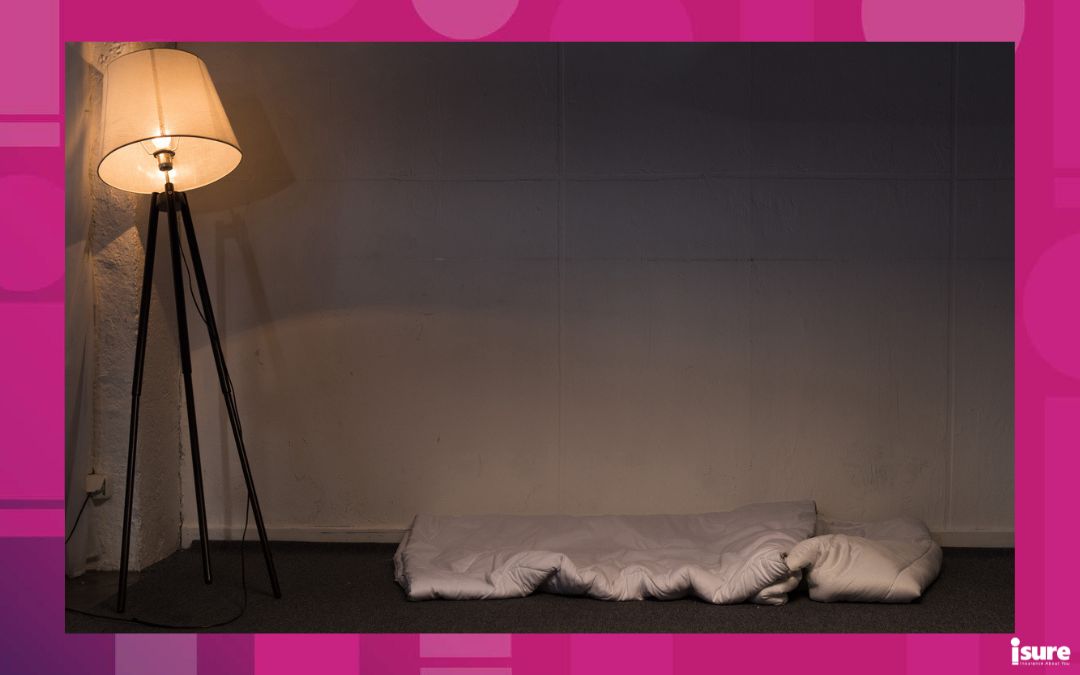
- A vacant home or property is one that you, as the owner, have no intention to return to or live in for a set period of time. Most, or all, furniture inside the house will have been removed. When a home is vacant, utilities are often shut off, possibly because the property is on the market or rented. Often, investment properties awaiting rental or sale fall into this category.
Have an investment property? You need to declare it. Read more about Ontario’s Vacant Home Tax.
What is Vacant Home (Property) Insurance? What’s a Vacant Home?
Vacant home insurance typically costs extra and may come with limitations to your coverage. Keep in mind that, depending on how long your property remains vacant and/or your insurer’s guidelines, your property may even become ineligible for insurance. Your insurer may consider a “vacant home” as either:
- A property that is no longer lived in
- Was never intended to be lived in while under your ownership
- One that won’t be occupied for an extended period
What Coverage Do I Have with Vacant House Insurance?
Vacant home insurance may include some of the following types of coverage (though they may vary for each insurance provider):
- Weather damage: Extreme weather events, such as windstorms or hail, can cause serious damage to your vacant home. Usually, a vacant property insurance policy will cover property damage from certain weather events up to the coverage limit.
- Explosion and fire coverage: Financial coverage to repair or replace any damages in a fire or explosion.
- Vandalism coverage helps cover the cost of repairs or replacements you may need, such as broken glass or graffiti.
- Malicious mischief coverage: Not always covered under vandalism. Examples include defacing property or stealing garden equipment.
- Protection against squatters: Squatters may take up residence on your property without your knowledge, leading to property damage or theft. You will have coverage in this instance.
Look into what your 30-day home insurance clause entails and make sure you’re covered for the issues you can anticipate. Note that a vacant home insurance plan might require an endorsement or a separate policy.
Situations Requiting Vacant Property Insurance
There are several reasons you may need vacant home insurance. Here are some of the most common:
- Selling a home/moving to a new property: If the sale takes longer than anticipated, the home will be considered vacant.
- Owning a seasonal rental property: If you lease a cabin only during the warmer seasons, then it’s considered vacant during the colder months.
- Performing renovations or repairs: If your property is uninhabitable during this time, then it will be considered vacant for the duration you are not living in the home.
- Owning a vacation home that you use part-time: If you have a second property that you only stay in for a few weeks or months of the year, then it may be considered vacant during the time it is unoccupied.
- Extended travel: If you travel for work or plan an extended trip, you may need vacant property insurance.
Issues That Can Arise When the Property is Vacant
- A home fire caused by faulty wiring.
- Basement flooding may occur due to a burst pipe. A small leak will not be detected while the home is empty.
- Someone can slip and fall on your walkway if the snow and ice haven’t been cleared for a long time, which will be a legal liability and possible claim.
- Break-ins and vandalism: Vacant homes are more attractive targets for theft, graffiti, and property damage.
- Squatting or unauthorized occupancy: Individuals may enter and occupy the home without permission.
- Mold and mildew growth — poor ventilation and unnoticed moisture can lead to costly mold damage.
- Pest infestations: Rodents, raccoons, squirrels, and insects can enter and cause structural and wiring damage.
- Frozen pipes in winter: Without regular monitoring or adequate heating, pipes can freeze and burst.
- Roof leaks going unnoticed: Small leaks can escalate into major structural and interior damage.
- Foundation or structural damage: Shifting soil or water intrusion may worsen without early detection.
- HVAC system failure: Heating or cooling breakdowns can lead to moisture buildup, freezing, or excessive humidity.
- Yard neglect and exterior deterioration: Overgrown lawns, ice buildup, or debris can create bylaw issues and safety hazards.
- Utility issues: Power outages or disconnected utilities can lead to sump pump failure, flooding, or freezing.
- Storm damage escalation: Wind or hail damage may worsen if repairs are delayed.
Please let your provider or your isure broker know so you can get all-around coverage until the home is no longer vacant.
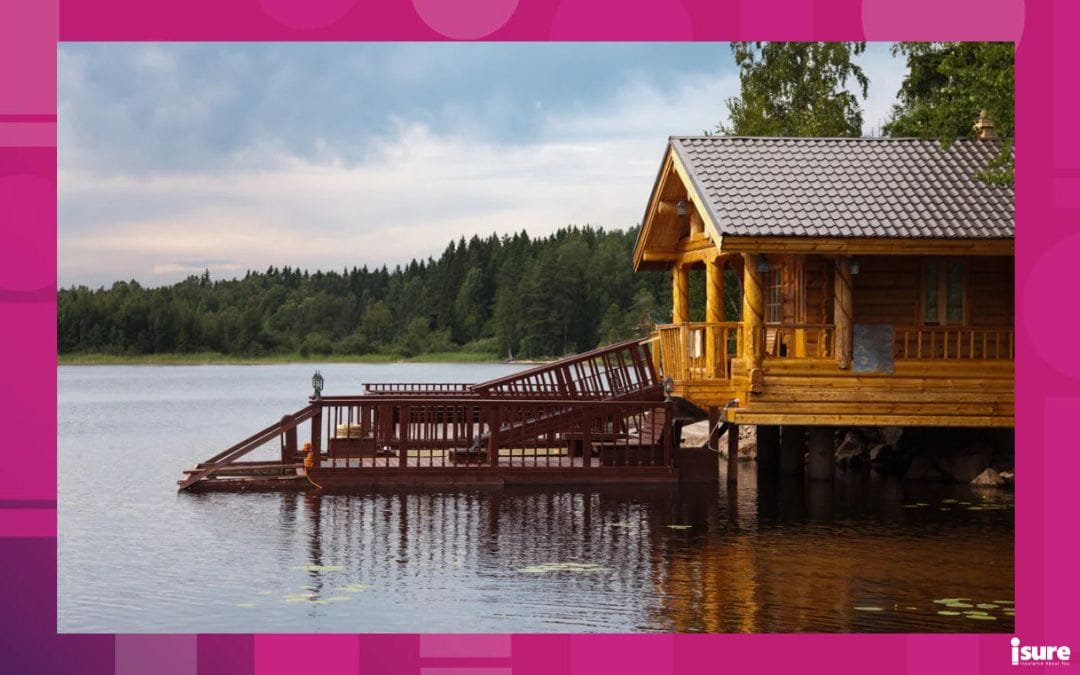
Cottage insurance applies to units designed for seasonal vacancy.
Unoccupied Rental Units
If you have an investment property that is unrented and are unable to find a tenant in 30 days, you’ll need to apply for a vacancy permit from your home insurance company. When a home is not occupied, certain risks arise, as it may not be actively visited or maintained. That’s why vacant homes are typically treated differently from other homeowners’ insurance policies.
Measures You Can Take to Protect Your Vacant Home
The best way to protect your vacant home is to make it appear occupied. Here are a few tips to help protect your unoccupied house/unit:
- Be sure that all windows and doors have locks installed.
- Purchase timers for your home’s lights. Take care to set timers that align with common daily activities (like dinner and bedtime).
- Make sure window coverings are used to keep unwanted prying eyes out.
- Installing doorway cameras or outdoor lighting to dissuade trespassers.
- Have a friend or family member keep up with outdoor maintenance, i.e. lawn cutting and snow removal.
- Have a family member check up on appliances regularly.
How to Purchase Vacant Property Insurance in Ontario
Speak with your isure broker about vacant home insurance options. It can be purchased in two ways:
- A separate policy: If you know the property will be empty for a significant amount of time—say you’re travelling for a year—then a standalone policy might be a better fit.
- An add-on endorsement to your existing homeowners’ policy: Best for covering your property for temporary vacancies. An example is a rental unit that is soon to be unoccupied and may take a while to find a new tenant.
Your isure broker can help you establish whether you need a separate policy or if an endorsement is sufficient.
What is the Cost of Vacant Home Insurance?
The cost of this type of insurance will vary between insurers. Not to mention, several factors can influence how much coverage will cost:
- Property type
- Amenities on the property, such as pools, ponds and trampolines
- Property size
- If the property borders a neighbour
- Vacancy reason
- The amount of coverage
- Coverage limits
- Coverage terms
- Premiums and deductibles
- Unoccupied vs. vacant
- Whether amenities are hooked up, like hydro and heating
If your home is going to be empty for more than 30 days, you may need to get vacant home insurance. Standard home insurance doesn’t cover vacant homes. Regular policies cover a home under the assumption that someone is either living there or regularly checking on or maintaining it. That’s why your policy can be voided for certain incidents, such as water damage from a burst pipe. As a homeowner, you can’t leave your home unattended for more than the number of days specified in your policy—which is sometimes as little as four days—otherwise you may lose your coverage. Read your policy’s fine print to see how often your home should be checked to maintain coverage.
Please speak with one of our isure representatives to understand your insurer’s vacancy conditions and determine whether you need to purchase vacant home insurance.
Safeguard Your Home
Get a free home insurance quote today and protect what matters most.


Squatting and adverse possession are complex legal issues that Ontario Read more
Your cottage is one of your most valuable assets. If you Read more

“Vacant home tax” has been a buzzword for politicians and Read more