
Car
Insurance
High-Risk
Insurance
Telematics
Insurance
ONTARIO CAR INSURANCE Quotes
Why isure Offers the Best Car Insurance Rates in Ontario
Ontario has one of the highest car insurance rates in the country. As Ontario’s leading auto insurance broker, isure provides quality coverage and the lowest Ontario car insurance rates, as well as convenient, personalized service. Whether you’re a preferred, standard, or high-risk auto insurance client, we’ll be there to help you apply for insurance and help you save premiums along the way by comparing car coverage rates across Ontario.
What factors affect Car Insurance costs in Ontario?
Ontario drivers must have auto insurance before getting behind the wheel, and at isure, our brokers are ready to help you secure the best coverage. We work hard to find you the lowest insurance rates possible while taking the time to understand your specific needs. You’ll receive a clear explanation of your rate and the factors that determine your auto insurance premium. Trust us to provide the best auto insurance policies in Ontario with personalized options that meet your requirements.
Wondering what factors affect car insurance premiums in Ontario?
Here’s what you need to know:
The Make and Model of Your Vehicle
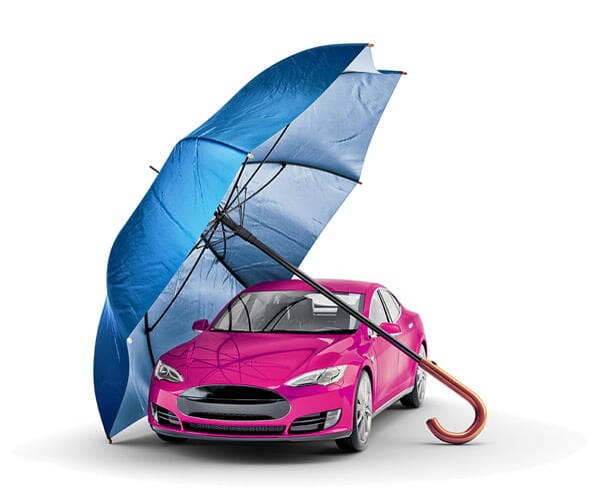
Auto insurance rates in Ontario are rising due to a significant increase in auto theft rates, which have hit historical highs over the past few years. This surge in vehicle theft has heightened insurers’ risk, resulting in higher claims costs. To offset these increased risks and expenses, insurance providers have raised annual premiums, contributing to the overall rise in car insurance rates across the province.
Driving experience and insurance history
Drivers with a clean record typically pay lower premiums. We’ll review your coverage history to check for any past driving convictions or collisions and investigate any gaps in coverage to see if they were due to non-payment or false policy information. Teenage drivers can start building their insurance history by being added to their parents’ policy, and we recommend doing this as early as possible.
Age
Your age is seen as an indicator of your driving experience, but it also acts as a separate factor that influences your auto insurance rate. Drivers under 25 typically pay higher premiums due to their inexperience, and a newly licensed 16-year-old will likely face even higher rates. In contrast, older drivers often enjoy discounted rates, as their age is associated with safer driving habits and many years of experience.
Driving record
This information helps us assess your driving habits, allowing us to price your policy accordingly. If you have a history of tickets, you’re likely to accumulate more, which increases your risk. At-fault claims on your record are also seen as risky behavior, leading to higher rates.
Postal code
Your location in Ontario directly impacts your car insurance rate. For example, car insurance rates in Toronto and Mississauga are higher due to heavier traffic and a higher frequency of claims.
AVERAGE COST OF CAR
INSURANCE IN ONTARIO
Ontario’s average car insurance premium increased by approximately 9% in 2024 compared to 2023. According to the Financial Services Regulatory Authority of Ontario (FSRAO), the province’s average annual premium is around $2,006.


What is the reason for the increase in Car Insurance Premiums in Ontario?
Rising Auto Thefts in Ontario
Auto insurance rates in Ontario are rising due to a significant increase in auto theft rates, which have hit historical highs over the past few years. This surge in vehicle theft has heightened insurers’ risk, resulting in higher claims costs. To offset these increased risks and expenses, insurance providers have raised annual premiums, contributing to the overall rise in car insurance rates across the province.
Inflation and Supply Chain Issues
Ontario’s inflation and supply chain issues have significantly contributed to the rise in car insurance premiums. With inflation driving up the costs of goods and services, the average insurance claim payout for accidents has increased. As a result, this prompts insurers to raise premiums to offset these higher expenses. Additionally,supply chain challenges for car parts have increased costs and delays in servicing and repairing vehicles, further inflating claim payouts. These combined factors have added pressure on insurance providers, resulting in higher premiums for drivers across the province.
Increased Repair Costs and Part Shortages
Cars are becoming more expensive to fix due to advanced technology and safety features. Ongoing parts shortages and higher labour costs also increase repair bills, even for minor accidents, pushing overall insurance premiums higher.
Increase in Collisions
With more vehicles on the road and higher traffic volumes, collision rates have increased. More accidents mean more claims, which directly impacts how much insurers need to charge to remain sustainable.
Rising Insurance Fraud
Insurance fraud continues to drive up costs across the auto insurance system. Staged accidents, inflated claims, and false reporting increase insurer losses, which are ultimately passed on to policyholders through higher premiums.
Learn more here on why Ontario car insurance rates are on the rise.
The largest overall decrease in auto insurance premiums in Ontario within the last five years was caused by several factors, but especially:

Professionals using their cars less while working from home
Insurance providers offering relief measures through lowered rates and rebates
Decreases in the number of vehicles on the road led to price decreases. Less cars on the road means fewer accidents and insurance claims, translating into better profits for insurance companies and savings for you. Looking forward to the rest of 2022, experts are uncertain about the direction rates will take. FSRAO says the lower rates won’t last forever, as it’s expected when the pandemic ends and driving habits return to normal that premiums will start to creep back up.


How to get the cheapest Car Insurance in Ontario
Finding more affordable car insurance is an effective way to reduce your monthly expenses and free up funds for other priorities! Here are a few tips from isure on how you can save on your insurance costs each month:

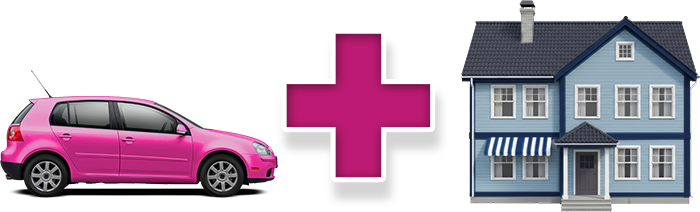
Bundle your Auto and Home Insurance

Opt for Annual Payments
Paying your insurance premium for the year upfront can lead to significant savings. Many providers offer two payment options: an annual rate and a monthly rate. By crunching the numbers, you may discover that paying for the entire year at once can save you money in the long run.
Raising your Insurance Deductible

Winter Tire Car Insurance Discounts
Ontario winters can be tough, especially when commuting in the snow. Installing winter tires is essential for your safety and can often qualify you for discounts on your insurance premiums.
Insure multiple cars together
Insuring multiple cars under one auto insurance policy in Ontario can lower your car insurance rates. Consolidating your coverage makes you a valued customer, leading to reduced administrative costs and discounted premiums.
Get a Hybrid or Electric Car
Hybrid and electric cars often qualify for lower insurance rates due to their reduced risk profile. Insurers favor these vehicles for their eco-friendly features, advanced safety technology, and lower repair costs.
Attend Driving School or take Defensive Driving Classes

Look into Telematics Apps
Some insurers offer telematics apps that monitor your driving behavior, rewarding safe practices with lower rates. By tracking speed, braking, and mileage, these apps provide personalized feedback and discounts based on your habits.
Choose the Right Car
Insuring multiple cars under one auto insurance policy in Ontario can lower your car insurance rates. Consolidating your coverage makes you a valued customer, leading to reduced administrative costs and discounted premiums.
Driving more and maintaining a clean record
Driving more frequently and maintaining a clean driving record can help lower your car insurance rates over time. Insurers reward safe drivers with discounts for accident-free years, demonstrating responsible driving habits. The longer you drive without claims, tickets, accidents, or any increase in demerit points, the more trust you build with your insurer, typically leading to lower premiums.
Look over your policy

HOW CAR INSURANCE WORKS IN ONTARIO
In Ontario, the Financial Services Regulatory Authority (FSRA) enforces strict regulations on auto insurance coverage from private companies. Businesses must follow a standardized auto policy set by the provincial government, which includes liability, accident benefits, uninsured motorist protection, and DCPD (Direct Compensation for Property Damage). Additional options like collision, comprehensive coverage, and endorsements are available. The Ontario winter tire discount offers a great opportunity for savings.
Ontario was one of the first provinces to approve consumer insurance, known as ‘compensation insurance.’ If you drive less, Usage-Based Insurance (UBI) or ‘Telematics’ can help you reduce your premiums while recognizing your driving skills. However, recent updates to UBI regulations now impose penalties for reckless driving. Additionally, if you take your car out of Ontario for more than six months, you’ll need to set up a separate car insurance policy, regardless of the reason.
Why Choose isure as Your Car Insurance Broker in Ontario

Control Over Your Policy
More Choice For Car Insurance Quotes
isure will generate at least 10 different car insurance quotes to help you find the best coverage at the lowest price. We’ll not only recommend the top option but also share all the best quotes available.
Ideal Broker for High Risk Drivers
isure is a leader in offering vehicle insurance options for high-risk drivers, those with bruised insurance records, and jaded insurance shoppers. When big insurers say “no,” we say, “let’s explore your options.”
iSavings
Between all our isure approved insurers, we boast one on the longest list of auto insurance discounts of any broker online, and our competitive bidding saves you money with no sacrifice on coverage. We’ll also tell you how to reduce your premiums by taking safeguards.
Personalized Attention
Your personal, dedicated and online isure broker is there when you need them. isure is a phone call, live chat, or email away from helping you. We’ll even call pre-emptively when disaster strikes your neighborhoods!
Responsive Claims
Insight and Attention
Let us do the shopping for you so that we can find the best auto insurance rates and coverage that the market has to offer! We compare over 25 of the largest certified insurers, making them compete on rates so you can receive the auto policy you want at the best price.
Guilt-free Quoting Process
We will shop your vehicle’s insurance rates across the widest set of Ontario Auto insurers with the coverage you deserve.
FAQ’s
ONTARIO CAR INSURANCE
Are You Required To Have Car insurance in Ontario?
If you drive a vehicle in Ontario, it is the law to have insurance for your car. Each province will require a certain minimum amount and may require specific additional coverage.
What Affects My Rate(s)?
Every driver needs insurance; however, rates will vary from person to person. There are several factors that will affect your rate, and the insurance company will also consider several details as any risks to determine your personal insurance profile.
It is the combination of these factors that will ultimately determine the rate you receive, and the following are the factors that will affect this aspect:
Your personal information
Everything from the type of vehicle you drive to where you live will be considered, as will your driving record, age, gender, and marital status. The make and model of your car will be factored in, and any previous accidents, the length of time you’ve been licensed, and any speeding tickets will also be considered. Additionally, those with a good driving record will most likely receive a lower premium. If you live in an urban area, your auto insurance rates will be higher as there is more risk of accidents and car theft in these areas. Insurance companies find that mature drivers have fewer accidents than younger drivers, so premiums will generally drop after the age of 25.
The amount you drive
Your insurance company may also consider whether you commute to work or school because rates are calculated based on the number of kilometres you drive. The more you drive, the higher your rate may be.
The amount of coverage you purchase
There is a certain amount of coverage that is mandatory however, you can buy additional protection, which would increase your rate. Increasing your third–party liability protection or your standard accident benefits coverage and/or purchasing comprehensive coverage to protect against theft are all examples of additional coverage that could increase your rates.
The deductible you select
This is the portion you will have to pay if you ever make an insurance claim. Insurance companies often offer separate deductibles for collision, comprehensive, all-perils, specific perils, and direct compensation-property damage coverages. The lower your deductible, the higher your premiums will be, and the higher your deductible, the lower your premiums will be.
Your insurance company
You must do your research because auto insurance premiums can vary from one company to another. That’s where isure steps in to shop the rates for you! Statistics will always be used to determine the financial costs of risk and uncertainty, and your personal profile will make a difference. However, you will still find that rates will vary from one insurance company to the next. Contact an insurance broker to help you find the company with the best rates.
How Much Does Car Insurance Cost in Ontario?
Several factors influence the cost of car insurance in Ontario. Your quote may vary based on whether you need high-risk coverage or live in an urban area. For instance, practicing safe driving and bundling your policy can lead to lower quotes. Additionally, go-telematics is available for excellent drivers, as it monitors your driving habits (such as speed, braking, and cornering) to help determine your rate.
How Much Does a Car Insurance Quote Cost?
Absolutely free! It is also very easy to get a car insurance quote in Ontario. Get started now by clicking here.
What Is The Claim Process After a Car Accident?
If you are ever involved in a car accident, you will have to go through a claims process, and understanding the steps that are involved will ensure you get the best possible outcome for your particular situation. Here at isure, we will help you get through this process as efficiently and easily as possible, aiming to provide you with all the necessary information you’ll need.
We care about our clients and offer them the protection they need. It is highly recommend that you take the time to review your policy with us because knowing your rights, coverages and responsibilities will help guide you in the right direction. You have to file a report with isure within one week of the accident occurring so that your claim can be honoured. Simply put, you will have to provide your policy number, accident details and the make, model, year and licence plate number of your vehicle that was involved. You will also have to include the time, date and location of the accident, along with the number of passengers involved and the extent of any injuries.
After Reporting an Accident
Once you report the accident, we will then determine fault. It’s important to note that it’s possible for this aspect to be shared between several parties involved in the accident. If you are found at-fault, this information will be recorded on your insurance record, and there’s a high likelihood that your premium will increase whenever you renew your policy. Should you disagree with our assessment of the situation, we will gladly provide you with more details so that you understand how we came to this conclusion.
In terms of compensation for a damaged vehicle, this will depend on the extent to which you are at-fault for the damage, and you will be compensated according to this information. The type of insurance coverage you have will also affect the amount you receive.
If any of this information feels overwhelming or if you have any questions regarding our claims process, do not hesitate to reach out to isure for more details.
What Do You Need To Apply For Car Insurance?
When you are looking to apply for car insurance, the insurance company will require information in order to determine your rates. These factors can be broken down into three categories:
1. Vehicle information
- Vehicle make, model, and year
- The main use of the vehicle (for work or pleasure)
- Expected usage (mileage)
2. Driver information
- Full name
- Postal code – If you live in an urban centre, like downtown Toronto or Vancouver, your premiums will most likely be higher due to the increased risk of an accident.
- Gender
- Date of birth – Younger drivers (under 25 years of age) are seen as a higher risk by insurers, as too are retirees.
- Marital status
- Licence information
- Licence type – The type of licence you have determines the type of vehicle you are allowed to drive and be insured for. For a complete breakdown of the types of licences available, please click here.
- Type of car driven – If your vehicle is prone to theft or accidents, or is expensive to repair, you will most likely pay higher premiums.
You should also take note of the physical condition of your car and mention any existing damage. Insurance companies may also want to know if it’s four-wheel drive or two-wheel drive if they don’t have that vehicle information in front of them during the quote.
- Date G1/G2/G was obtained
- Licence suspensions – While your licence is suspended, you won’t be able to purchase auto insurance in Ontario. After which, insurance providers will consider you a “high-risk driver” – a factor that will increase your insurance rates by at least 10%, and as much as 50%.
- Completion of a Canadian driver training course – new drivers are encouraged to take drivers education courses to better prepare them for driving and as an added perk, discounts are available to those that do.
- Accident/ticket/claims history – Traffic tickets are divided into three categories:
- Minor
- Major
- Serious convictions
- Each of these types can affect your rates, regardless of the number of demerit points or the severity of the fine associated with the traffic infraction.
3. Insurance history
- Current insurance status (renewing/new driver/retired)
- Years of continuous insurance coverage
- Years insured
- Previous insurance cancellations (due to non-payment, tickets, etc.)
How Are Auto Insurance Premiums Calculated?
Your insurance premium is calculated based primarily on the likelihood of you filing a claim. The more likely you’ll file one, the more your premium will be. What makes you more likely to file a claim? Your age and driving record, the type of car you drive, where you live, and how much coverage you get are all factors.
If I Am New To Ontario, Will My Car Insurance Rates Be Higher?
Yes, if you’re new to Ontario, your auto insurance rates will likely be higher. Insurers consider your lack of experience driving on local roads and the differences in road rules between countries as risk factors. Without a driving history in Canada, you may not qualify for discounts that experienced local drivers receive. However, providing proof of a clean driving record from your previous country may help lower your rates.
What Is The Minimum Requirement For Auto Insurance In Ontario?
In Ontario, the minimum required auto insurance includes $200,000 in third-party liability coverage, Accident Benefits, Direct Compensation-Property Damage (DCPD), and Uninsured Automobile Coverage to protect you in case of injury, death, property damage, vehicle damage, or accidents involving uninsured drivers. Many drivers opt for higher coverage limits for better protection.
How Much Does Car Insurance Cost For G2 Drivers?
The cost of car insurance for G2 drivers typically ranges from $1,700 to $5,000 annually. Insurance providers charge higher rates because G2 drivers are considered less experienced than fully licensed (G) drivers. To lower costs, it’s recommended to register a G2 driver as a secondary driver under a parent or guardian’s policy. Read our blog for a detailed breakdown of the insurance cost for G2 drivers.
Why should Ontario drivers compare car insurance rates?
Ontario drivers should compare car insurance rates because every insurance company evaluates risk differently. Factors such as your driving history, location, vehicle type, claims record, and even how often you drive can all impact your premium, and each insurer weighs these factors in its own way. Because of this, two insurance companies can offer very different rates for the exact same coverage.
Working with an insurance broker like isure can help you compare quotes from multiple insurers quickly and easily. This allows you to find competitive rates while still getting the coverage and protection that best fits your needs and budget.
Do I Need To Insure My Car?
The answer is YES! It’s the law. You can be fined up to $5,000 and have your license suspended for driving without insurance. We know that legal stuff isn’t fun, but it’s essential. Car accidents happen, and if you’re involved in one, you can get stuck with an expensive bill for repairs. If someone else is at-fault, having insurance protects you from paying those costs out-of-pocket.
How Does Where You Live Affect Your Insurance Premium For Your Car?
Premiums are lower in rural areas because there are fewer risks of accidents than in urban environments. If you live in a city, you’re more likely to have an accident and pay more for insurance. So it might be worth your while to check out the rates in the surrounding towns.
Location matters because it’s an integral part of your risk profile. It includes factors, such as:
- Traffic congestion and accident likelihood
- Severity of local weather and the cost of damage caused by storms
- Crime rates—auto theft and vandalism
You may not be able to change your location, but you can learn how different areas around you can affect insurance prices for others.
Why Should I Choose An Insurance Broker?
Car Insurance quotes are always changing in Ontario. Going through every insurance company by yourself can be time-consuming and stressful. When you work with an isure insurance brokerage, you will be able to easily compare quotes from our 25+ isure–approved insurers. We will also help you choose the best policy for your needs.
What Is No-Fault Car Insurance?
Contrary to popular belief, no-fault insurance does not mean that you can never be found at-fault for a car accident. Instead, it refers to how your insurance company will pay out your insurance claim. For a traditional auto insurance system, the at-fault driver’s insurance company will be responsible for issuing payment for damage to both vehicles that are involved in the crash. But under a no-fault insurance policy, this is not the case.
How does a no-fault insurance policy work?
Under a no-fault insurance policy, the parties involved in the collision will both file and settle claims using their respective insurance companies, regardless of who was at-fault for the collision.
One of the most important terms found in a no-fault policy is direct compensation property damage or DCPD. Many people misunderstand DCPD and believe that it is a no-fault system, however, DPCD is not a no-fault. You may only claim against the DCPD section of your property to the extent that you are not at-fault.
To put it in simpler terms, DCPD will be the part of your insurance policy that covers damage to your vehicle when you are found not at-fault for a collision. If you are found at-fault, the damage will only be covered if you also have collision coverage or all-perils coverage.
In this scenario, you will still need to pay your collision deductible. But your insurance company will not need to pay for the damage that was caused to the other driver’s vehicle. When you are under a no-fault policy, you will receive full medical and rehabilitation benefits through your own insurance company. You may also be entitled to an income replacement benefit as well as others, but this will depend on how serious your injuries are. This model eliminates financial compensation for pain and suffering.
One major perk of driving with a no-fault policy is that your claim will usually get resolved quickly, which means you will receive compensation sooner. And, you won’t need to worry about dealing with both insurance companies, just your own. It will help to simplify the claims process for you!
Which specific Canadian provinces operate under a no-fault system?
There are currently only six provinces operating under a no-fault insurance system:
- Ontario
- Nova Scotia
- New Brunswick
- Quebec
- Prince Edward Island
- British Columbia
Drivers located in Saskatchewan will have the choice to opt-out of the province’s own no-fault insurance policy, and pick coverage under the tort system instead. This will allow them to sue for pain and suffering with a $5000 deductible.
How Do I Buy Auto Insurance?
For Canadian residents, there are several options when looking to apply for car insurance to purchase:
Brokers
Individuals who sell insurance on behalf of several insurance companies (such as an isure broker). Purchasing insurance through a broker is beneficial when you need help to choose the best coverage and rate, as well as their experience with processing claims.
Agents
Individuals who sell insurance on behalf of only one company.
Direct writers
Insurers sell insurance directly to the consumer, usually online or through a call center. As you are buying directly from the insurer, you are eligible for discounts not available to brokers. There are also no broker fees. Many like the convenience of being able to buy online, however, if you have never bought insurance before, you do not have access to assistance in weighing up the options offered.
When Is The Best Time To Purchase Car Insurance?
It may be surprising, but when you purchase your car insurance may affect the price you will pay. We are already aware that factors, such as the car’s model, age, and safety, can affect auto insurance premium rates. But what about the month or day you buy? Research reveals that car insurance prices in the province are lowest in July, August, September, and October. Though the explanation isn’t clear, it states that during these months, insurance companies receive a higher volume of business. This can be because car manufacturers release new vehicles during these months.
What Cities In Ontario Have The Highest Car Insurance Rates?
Ontario’s cities with the highest car insurance rates are primarily in the Greater Toronto Area (GTA). This is due to higher traffic congestion, accident rates, and insurance claims. Some of the most expensive cities for auto insurance include:
What Are The Cheapest Cars To Insure In Ontario?
Some of the cheapest cars to insure in Ontario include the Honda CR-V LX, Jeep Wrangler JL Sport, and Subaru Crosstrek. These vehicles have lower insurance rates due to their strong safety features and lower repair costs. For a more detailed breakdown, check out our blog on the cheapest cars to insure in Ontario.
What does it mean to be found 'at-fault' for an accident in Ontario?
Being found “at-fault” for an accident in Ontario means that your insurance company has determined that you were responsible for causing the accident based on Ontario’s Fault Determination Rules. An at-fault accident will typically be added to your driving and insurance record, and it could lead to higher insurance premiums when your policy renews.
Does auto theft affect Car insurance costs in Ontario?
Unfortunately yes, auto theft can affect how much you pay for insurance. Different factors will be considered, including where you live and the car you drive. Larger cities tend to experience more car theft, so drivers will likely pay higher premiums, depending on their postal code.
Learn more about other questions for car insurance in Ontario.
Mandatory Car Insurance Coverage
The different categories for Ontario auto insurance mandatory coverage plan include:

Liability Insurance
Auto Liability insurance covers damages caused to another person or vehicle in an accident, including medical bills, legal fees, lost income, and other expenses.

Emergency Road Service
Emergency road service will provide you with roadside assistance should your car break down, and would also cover the cost of getting your car back on the road. Mechanical labour, gas delivery, new batteries, tire changes, or tow are just some of the costs that would be covered. This is important because it would prevent you stress in the event of a breakdown.

Accident Benefits Coverage
Pays certain medical costs for you and your family if injured from a car crash. Speak to us at 1-877-514-7873 about extra coverage that may be best for you and your loved ones.

Uninsured Motorist
Uninsured Motorist Coverage ensures you’re compensated for damages and injuries if an uninsured driver causes an accident, offering financial protection.
isure Optional Coverages for Car Insurance
Customize your Vehicle coverage plan to suit your unique needs and preferences with Optional Coverages.
If you’re one of the 37% of car owners leasing or financing a vehicle, you’ll probably be required to have All Perils or both collision and comprehensive coverages, as well as a minimum deductible, too.
Accident Forgiveness
Mistakes can happen, even if you’re a good driver. That’s why many isure-approved insurers will forgive your first at-fault claim.

Your Possessions Saved
Bundle Your auto, home, renters, or condo insurance policies. It is a common myth that personal belongings in your car are covered by your insurance, which is why you’ll need to buy property insurance in case of theft. Bundle these policies together and save up to 20% off!
Physical Damage to Your Car
Direct compensation property damage (DCPD)
Direct Compensation Property Damage (DCPD) covers your vehicle’s damages in a not-at-fault accident. Your insurer compensates you directly, avoiding delays. Starting January 2024, DCPD is optional, so you can opt out.

Comprehensive Insurance
Comprehensive insurance covers damages that are not the result of a car accident or collision. This would include extreme weather, falling objects, theft and vandalism as examples you would be protected from with this type of coverage.
Rental Car Coverage

Speak to an Insurance Broker
Call us toll-free at 1-877-514-7873 and one of our insurance brokers will search Ontario’s insurance marketplace for all the available insurance products and discounts, provide advice on the proper coverage and guide you step by step through the process.
Collision Insurance
Finally, collision insurance would cover damage to your car if you were to ever experience a vehicle rollover or a collision with another car or object. In the event that your car is totaled, this type of auto insurance coverage would pay for the costs associated with a replacement.
What Is Not Covered by a Standard Auto Insurance Policy in Ontario
A standard car insurance policy doesn’t cover every situation. Common exclusions often include normal wear and tear and mechanical failures, rust damage and freezing-related issues, damage to rental vehicles (unless you have specific coverage), accidents that occur while driving under the influence or during other illegal activities, and pre-existing or known damage to your vehicle. Because coverage details can vary, it’s important to understand what your policy does and doesn’t include. To learn more, read our blog post about what isn’t covered by your auto insurance policy, where we go into greater detail about car insurance exclusions and how to avoid unexpected gaps in coverage.
Important Ontario Auto Insurance Changes Coming July 1, 2026
Starting July 1, 2026, major changes are coming to Ontario auto insurance policies that could affect both your coverage options and your premiums.
One of the biggest changes is that certain Accident Benefits coverages can now be declined or reduced to help lower insurance costs. Benefits such as income replacement, caregiver benefits, housekeeping, and other optional protections may no longer be automatically included in every policy. Drivers will have the ability to opt out of some of these coverages if they already have protection through workplace benefits or private insurance plans.
Another significant update is the introduction of the “first payer” rule. Beginning July 1, 2026, your Ontario auto insurance policy will generally become the primary payer for eligible medical and rehabilitation expenses resulting from a car accident before workplace or private health insurance plans are used. This change is intended to simplify claims handling and preserve extended health benefits for non-accident-related medical needs.
Because these reforms may impact your coverage, benefits eligibility, and overall premium costs, it’s important to review your policy carefully before making any changes.
To learn more about the 2026 Ontario auto insurance reforms and what they could mean for you, visit our detailed guide to Ontario auto insurance reforms.
Ontario Car Insurance Vs Other Provinces
In Canada, how you get a car insurance quote depends on where you live. Some provinces offer private insurance, others public, and one even has both. In Ontario, you can buy insurance from private companies that compete for your business, allowing you to shop around for the best coverage, customer service, and price.
In provinces like British Columbia, Manitoba, and Saskatchewan, residents purchase public insurance from the provincial government. Québec offers a hybrid system, where the Société de l’assurance automobile du Québec (SAAQ) covers personal injury in accidents, while private insurers handle other coverage, like damage to your car.
Thanks to market competition, private car insurance rates have generally become the most affordable option in Canada. Let’s explore this in more detail below.
Quebec
Quebec offers the cheapest auto insurance rates in Canada. Insurance costs rise more slowly compared to Ontario, thanks to the province’s less stringent laws. Quebec’s mix of private and public insurance allows for added coverage beyond standard plans. The no-fault system limits accident liability, which helps keep overall insurance costs lower.
British Columbia
British Columbia has the highest median car insurance premiums in Canada. With insurance managed by a crown corporation, drivers can’t shop around for better rates. Although BC operates on a break-even model, operational costs sometimes surpass revenues. In spring 2021, the Insurance Group of British Columbia reduced rates by around 20%.
Manitoba
Ontario
The most populous of all the provinces, Ontario is the second most expensive province when it comes to car insurance. Drivers should not expect cheap rates compared to what drivers in Manitoba will pay. Rampant fraud, population density, traffic congestion, accident rates and the frequency of claims are just some of the reasons why Ontario drivers have to pay such expensive auto insurance rates.
In Ontario, drivers are required to have a minimum of $200,000 in third-party liability coverage along with accident benefits coverage, direct compensation property damage coverage and uninsured automobile coverage.
Manitoba
Drivers in Manitoba can expect to pay less for car insurance than drivers in Ontario. However, this province has a crown corporation issuing car insurance, which means negotiating and shopping around for quotes will not work. Unfortunately, there’s not much drivers in Manitoba can do if they’re unhappy with their insurance rate. However, you can work on lowering this amount by focusing on the factors within your control. For example, you can bundle your car and home insurance, which will likely result in a discounted rate.
Saskatchewan
Car insurance is required by law for every driver in Canada. However, the province you live in will dictate your insurance coverage requirements.
Here at isure, we will help you find the best insurance policy rates for your needs, and our brokers will do everything they can to provide you with the lowest rates possible. We are happy to discuss your unique needs and circumstances to help you find the best policy. We want our clients to have a detailed understanding of their car insurance policy, including the requirements their province has in place. This guide will highlight key information specific to drivers in both Ontario and Saskatchewan.
Mandatory car insurance requirements in Ontario:
1. Third-Party Liability
Third-Party Liability coverage will protect you if you are responsible for causing injury or damage to another person or their property while driving. In Ontario, the minimum coverage amount required by law is $200,000.
2. Accident Benefits Coverage
This coverage will benefit you and your passengers if involved in a car accident, which will apply, regardless of who was at-fault. Medical expenses, rehabilitation costs and loss of income will be included in this coverage.
3. Direct Compensation/Property Damage Coverage
If you are involved in an accident with another driver who is at-fault and their insurance is inadequate or uninsured, you will be protected due to this type of coverage.
Mandatory car insurance requirements in Saskatchewan:
1. Third-Party Liability
This will protect you in the event that you injure someone or damage someone else’s property. All drivers in the province are required to carry third-party liability insurance of up to $200,000.
2. Accident Benefits
This portion of your coverage will pay for injuries due to a traffic accident, similar to Ontario.
3. Uninsured Automobile
If the other driver is at-fault but has no insurance, this portion of your policy will cover your repair costs.
Drivers in Saskatchewan will generally pay less for car insurance than drivers in Ontario. However, the province operates on a provincially-run insurance agency, which means drivers must pay what the Saskatchewan Government Insurance mandates.
Prince Edward Island
Private car insurance is the primary source of coverage in Prince Edward Island, keeping costs low for extended periods. Additionally, PEI has one of the lowest collision rates in the country, especially compared to Ontario—meaning there are fewer claims to settle. One of Canada’s most influential, privatized auto insurance programs is found in PEI. Due to competition and declining annual insurance claims, rates are still low.
Newfoundland and Labrador
Despite having a relatively-modest population, Newfoundland and Labrador have witnessed some of the most effective car insurance rate increases nationwide. This is so that you can prosecute an at-fault motorist for damages, lost pay, and other penalties in this province’s “tort” process. A surge in insurance claims and transportation lawsuits is mostly to blame for rising rates. Rates are reasonable since Newfoundland and Labrador solely provide private coverage options.
Suppose you are looking for the best insurance policies in Ontario or looking forward to joining hands with reliable insurance brokers; that’s where isure steps in. Contact our knowledgeable insurance brokers today to help you find the best rates and coverage for your specific insurance needs. We work with the top companies and can “shop” on your behalf to obtain the best premiums and coverages for your peace of mind.
Alberta
Every driver needs insurance for their vehicle, and our team here at isure will help you find the best insurance policy for your specific needs. The province you live in will affect the type of car insurance you require. The following guide will compare car insurance information for drivers in both Ontario and Alberta.
Insurance coverage
Each province has a different mandatory minimum insurance coverage requirement. In Alberta, drivers must have a minimum of $200,000 in third-party liability coverage. In contrast, drivers in Ontario need to have a minimum of $200,000 in third-party liability coverage AND accident benefits coverage, direct compensation property damage coverage and uninsured automobile coverage.
Premiums
Car insurance premiums tend to be lower in Alberta because of factors like population density, accident rates, and the cost of repairs. Drivers in Ontario should typically expect to pay more.
The insurance brokers at isure will assess your needs, your driving record, and your circumstances to discuss the policy that will be best for your specific situation. The cost of auto insurance will vary depending on the province, although we will suggest any potential savings and discounts directly to you, our clients. We will review the specifics of your policy and discuss all of the options available to you. This will, in turn, help us find you the best rate possible.
We provide our clients with honest information. Ontario car insurance rates are among the highest in Canada. Auto insurance in Alberta is generally cheaper, and traffic congestion contributes to this difference in rates, as does the frequency of claims. Other factors, however, will also affect your insurance rate, including your age, driving record and the make and model of your vehicle.
Car insurance rates may be cheaper in Alberta than in Ontario, but the specifics of your coverage and the rate you receive will vary depending on your unique circumstances. We discuss every detail to ensure you have a clear understanding of your rate and how it was calculated.
Minimum Requirements in Ontario
In Ontario, the minimum required car insurance coverage includes:
1. Third-Party Liability Coverage
This coverage will protect Ontario drivers if they are responsible for causing injury or damage to another person or their property while driving. The minimum coverage required by law in this province is $200,000.
2. Accident Benefits Coverage
AB coverage will provide both you and your passengers with benefits, regardless of who is at-fault. This coverage includes medical expenses, rehabilitation costs and loss of income.
3. Direct Compensation/Property Damage Coverage
DCPD coverage will protect you if you are involved in an accident with another driver who is at-fault with inadequate coverage or is uninsured.
Minimum requirements in Alberta
In Alberta, the minimum requirement for car insurance coverage includes the following:
1. Third-Party Liability Coverage
This will protect Alberta drivers if they are responsible for causing injury or damage to another person or their property while driving. The minimum coverage required by law in this province is $200,000.
2. Accident Benefits Coverage
This will benefit you and your passengers if you get into a car accident, regardless of who is at-fault. This coverage includes medical expenses, rehabilitation costs and loss of income.
3. Uninsured Automobile Coverage
You are protected with this coverage if you are involved in an accident with an uninsured or under-insured driver.
Our isure brokers are always ready to help, and you can contact us anytime for more information regarding car insurance in Ontario.
Give us a call today at 1-877-689-2957 to discuss your insurance needs!

Speak to a broker today about car insurance
Let us do the shopping to find you the best Ontario auto insurance rates and coverage in marketplace!
We compare the largest selection of isure-approved insurer in the market.
Our Ontario car insurance brokers provide you fast, friendly and cheaper insurance on your car. We want to ensure that you aren’t surprised by the fine print in your policies or a short-term discount only used to win your business. If your auto insurer tries that, we will look into another insurer for you!
Let us do the shopping to find you the best Ontario auto insurance rates and coverage in marketplace!
We compare the largest selection of isure-approved insurer in the market.
isure Car Insurance ACROSS ONTARIO
isure across Ontario